
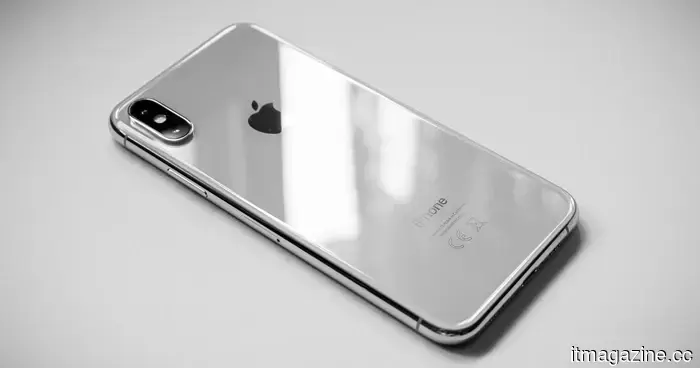
The iPhone X is now outdated, as is that old MacBook Pro.
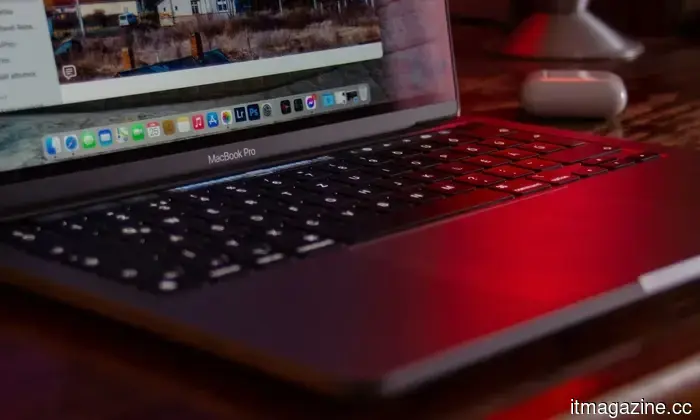
The iPhone X and the 15-inch 2018 MacBook Pro have officially been added to Apple's obsolete products list, signaling the end of official hardware service for two devices that once represented the company’s vision for the future.
Apple has updated its support information to move both devices from the vintage category to the obsolete category. This distinction is significant because once a product is categorized as obsolete, Apple ceases all hardware service for it, and authorized service providers can no longer procure parts from Apple.
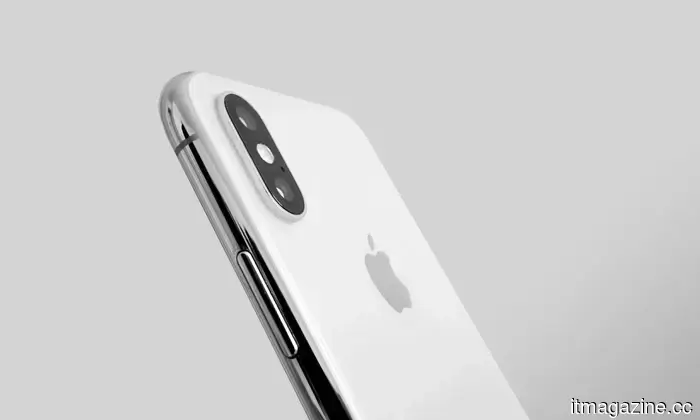
The timing for the iPhone X is particularly noteworthy. Introduced in 2017, it brought forth the design aesthetic that would characterize Apple's iPhone offerings for years, including features like Face ID and the notch. Almost ten years later, Apple has decided to stop maintaining it as a viable product.
The 15-inch 2018 MacBook Pro has received the same designation, although its software support has lasted much longer. Meanwhile, the 13-inch model had already been designated as obsolete, a classification made by Apple back in 2024.
While your old Apple device will still function, getting repairs will be more challenging.
It’s crucial to realize that being classified as obsolete does not imply that the device is unusable. If you have an iPhone X or a 2018 MacBook Pro on your desk, Apple isn’t going to deactivate it. The change primarily impacts the process for getting hardware repairs.
Apple states that products typically become obsolete more than seven years after they are no longer available for sale, although the precise timing is ultimately at Apple's discretion. Before reaching obsolescence, products can stay in the vintage category, where service remains available as long as parts can still be sourced.
The scenario regarding software is clearer. The iPhone X did not receive iOS 17, making iOS 16 its last major software update, with the device currently supporting up to iOS 16.7.16. On the other hand, the 2018 MacBook Pro is capped at macOS Sequoia, with macOS 15.7.7 being the most recent version available for that model.
This change is more significant if you still depend on one of these devices.
For most users, there won't be an immediate impact. Your iPhone X will still power on, and your MacBook Pro will continue to operate without issue; the classification change on Apple's support page doesn’t turn either device into a non-functional item.
The more pressing concern involves potential hardware failures. Issues such as a depleted battery, a broken display, or malfunctioning components may become much more difficult to repair through official channels now that Apple has discontinued service for these models. Apple does suggest that service might be extended for some products for up to ten years depending on parts availability and other factors, but this should not be seen as a guarantee.
For anyone still content with their iPhone X or 2018 MacBook Pro, there is no immediate need to upgrade just because of Apple's reclassification. However, if the battery is already failing or you’ve been delaying a repair, now might be a good time to reconsider the assumption that Apple will always be available to provide repairs.
Other articles
 Pony.ai and Uber will deploy over 2,000 Chinese robotaxis on the streets of Europe.
Pony.ai and Uber are enhancing their collaboration to launch more than 2,000 robotaxis throughout Europe, beginning in Zagreb. This strategy is an asset-light initiative aimed at introducing Chinese self-driving technology onto European streets.
Pony.ai and Uber will deploy over 2,000 Chinese robotaxis on the streets of Europe.
Pony.ai and Uber are enhancing their collaboration to launch more than 2,000 robotaxis throughout Europe, beginning in Zagreb. This strategy is an asset-light initiative aimed at introducing Chinese self-driving technology onto European streets.
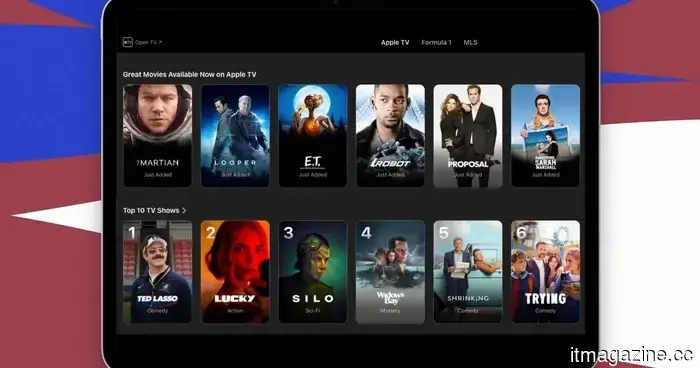 Apple TV has just added several classic films, and they are all deserving of a rewatch.
Apple TV has expanded its streaming library by incorporating a selection of classic and well-known films, featuring titles like Arrival, The Martian, Gone Girl, and E.T.
Apple TV has just added several classic films, and they are all deserving of a rewatch.
Apple TV has expanded its streaming library by incorporating a selection of classic and well-known films, featuring titles like Arrival, The Martian, Gone Girl, and E.T.
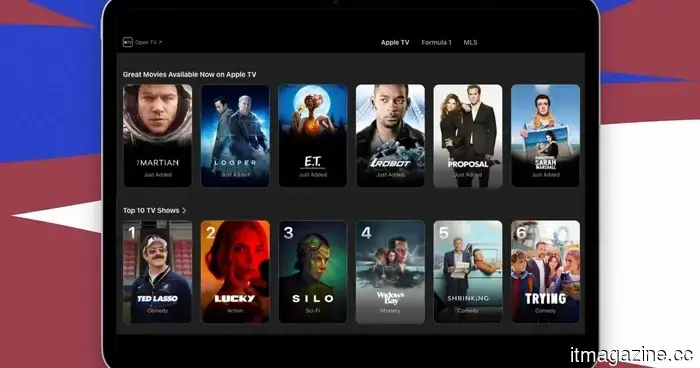 Apple TV has recently added several classic films, and each of them deserves to be revisited.
Apple TV has expanded its streaming library with a selection of classic and well-known movies, featuring titles like Arrival, The Martian, Gone Girl, and E.T.
Apple TV has recently added several classic films, and each of them deserves to be revisited.
Apple TV has expanded its streaming library with a selection of classic and well-known movies, featuring titles like Arrival, The Martian, Gone Girl, and E.T.
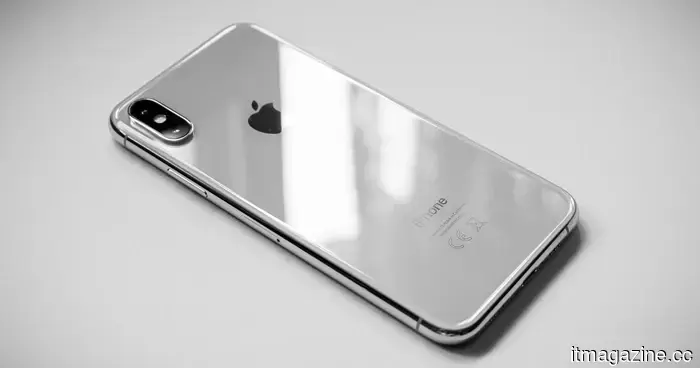 The iPhone X has become outdated, and the same applies to that old MacBook Pro.
Apple has placed the iPhone X and the 15-inch 2018 MacBook Pro on its obsolete list, which means that official hardware service and parts ordering will no longer be available for these devices.
The iPhone X has become outdated, and the same applies to that old MacBook Pro.
Apple has placed the iPhone X and the 15-inch 2018 MacBook Pro on its obsolete list, which means that official hardware service and parts ordering will no longer be available for these devices.
 Cl0p asserts that they have conducted a major hack involving Shell, Philips, and numerous other companies.
The ransomware group Cl0p, which has links to Russia, claims to have stolen data from Shell, Philips, and many other companies in a campaign that researchers attribute to a vulnerability in Oracle software.
Cl0p asserts that they have conducted a major hack involving Shell, Philips, and numerous other companies.
The ransomware group Cl0p, which has links to Russia, claims to have stolen data from Shell, Philips, and many other companies in a campaign that researchers attribute to a vulnerability in Oracle software.
The iPhone X is now outdated, as is that old MacBook Pro.
Apple has placed the iPhone X and the 15-inch 2018 MacBook Pro on its obsolete list, which means that official hardware support and parts ordering for these devices have been discontinued.