

Pixel 11 presents an innovative method for deaf individuals to interact with those who are not familiar with sign language.
The camera-based sign-to-text feature of the Pixel 11 enables the conversion of sign language into text, facilitating more natural face-to-face conversations.
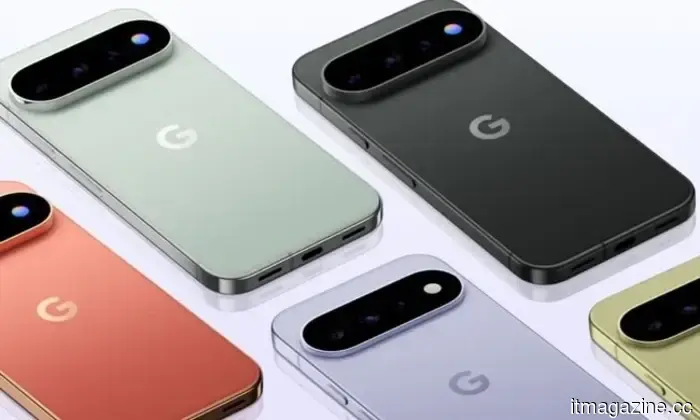
Google's latest Pixel 11 series devices offer more than just hardware enhancements. One of the most intriguing new functionalities aims to eliminate the communication gap between deaf and hard-of-hearing individuals and those unfamiliar with sign language.
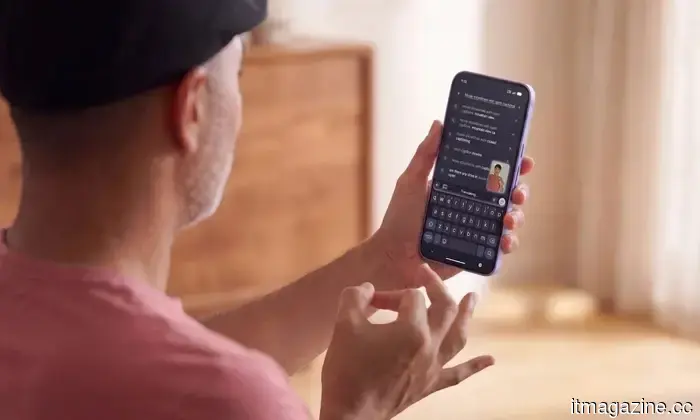
The Pixel Camera now has the capability to transform sign language into text.
Google has unveiled a new accessibility feature that utilizes the Pixel Camera to identify sign language and automatically convert it into text, allowing users to sign as they typically do without interrupting to type out their responses. Google's intention is to shift the phone from merely a one-way listening device to one that fosters natural, two-way conversations during spontaneous, in-person interactions.
The SL2T model, a significant advancement in sign language-to-text technology, is geared toward enhancing accessibility for Deaf and hard-of-hearing users on @Android. This feature starts with American Sign Language-to-English conversions on the Pixel 11, enabling users to sign straight into Gboard and Live Transcribe instead of typing.
The feature operates on a novel AI model known as sign-language-to-text (SL2T), developed by Google DeepMind, which they claim is a breakthrough in scaling sign language translation. Once the Pixel Camera detects a user signing, the model interprets it, and Gboard translates it into text wherever typing is needed, including web searches, messages, documents, and Gemini queries.
Initially, this feature supports translations from American Sign Language to English on the Pixel 11 series, with Google indicating that support for additional languages and devices will come later.
Designed with privacy and real-world signing considerations, the system tracks the location points of a signer’s body directly on the device instead of processing raw video, sending only the coordinates to Google's servers for translation and discarding the original camera feed. Google DeepMind reports that the model was trained using over 100,000 hours of data from more than 50 sign languages, and performance specifically for left-handed signers and one-handed signing scenarios has been tested, given that around 10 percent of users may present these characteristics.
The model achieved higher scores on standard sign language translation benchmarks compared to previous systems, although Google has not released data on its performance in less controlled environments, poor lighting, or rapid, casual conversations.
Translating sign language presents distinct challenges compared to speech translation, as sign languages possess their own unique grammar and vocabulary instead of direct word-for-word translation. An estimated 70 million deaf and hard-of-hearing individuals worldwide utilize sign language, and Google DeepMind states that this represents the first instance of sign language AI at such a scale being integrated into a consumer product. The true test of SL2T will be its effectiveness in everyday, fast-paced signing situations, as opposed to the controlled settings outlined by Google thus far, which will determine if it serves as a genuine communication tool or merely another underwhelming AI feature.
Pranob is a veteran tech journalist with over eight years of experience covering consumer technology.
Pixel 11 vs. Pixel 10 series: Is there enough reason for an upgrade to Google's new phones?
I compared the Pixel 11 series with the Pixel 10, and here’s what you should consider before making a purchase.
Google's Pixel 11 family has launched, and on paper, it addresses several areas I wanted improved from the Pixel 10 lineup. The Tensor G6 promises a significant performance increase across all four models, along with camera upgrades throughout, faster charging, and improved display brightness and durability for the Pro models. Additionally, the Pixel 11 Pro Fold sees necessary design adjustments.
These upgrades are solid for an annual refresh of Google’s flagship series. However, it remains to be seen whether they justify replacing a Pixel 10 purchased just a year ago. Based on my experience with annual smartphone updates, here is who should consider upgrading.
Read more
Everything Announced at Made by Google 2026: Pixel 11 Lineup, Pixel Watch 5, and Pixel Tag
From the new cameras on the Pixel 11 phones and the “HiLight” feature on the Pro models to offline Gemini on the Pixel Watch 5, here’s a summary of everything Google unveiled today.
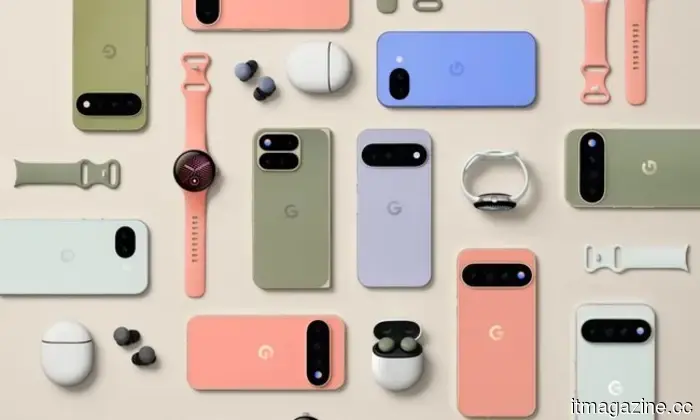
Prior to the Made by Google event, Google disclosed details about its new hardware lineup, including four new Pixel 11 devices, the Pixel Watch 5, its first-ever tracker, refreshed Pixel Buds Pro 2, and a variety of new software features powered by Gemini.
The positive news is that all announcements are available for pre-order, with retail availability set for August 20, 2026. The prices across the lineup have also seen an increase. Here’s an overview of everything unveiled by Google today.
Read more
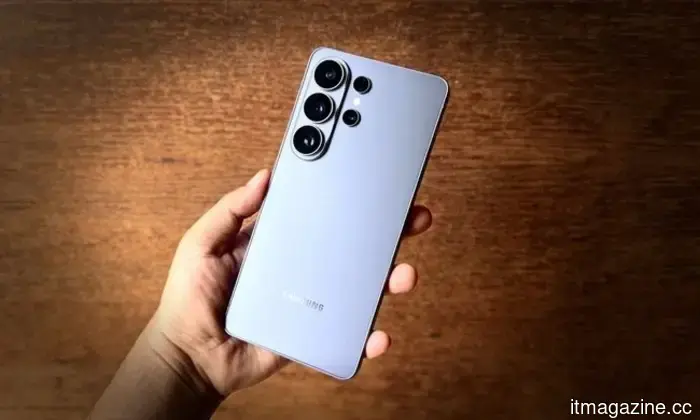
Samsung may have abandoned a highly anticipated camera upgrade for the Galaxy S27.
Samsung may have decided against implementing a variable aperture camera in the Galaxy S27 series to control costs.
Reports

Other articles
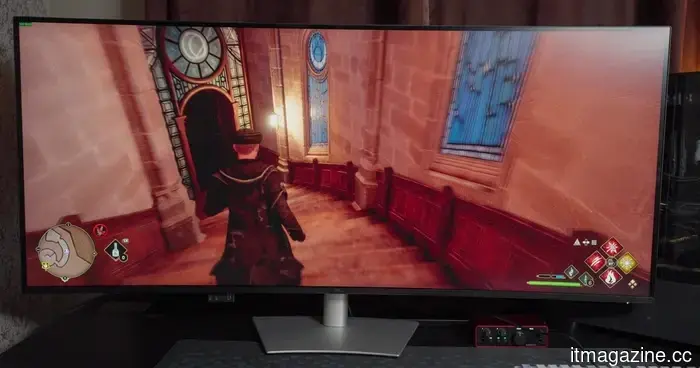 Review of the Dell UltraSharp 52 Thunderbolt Hub Monitor: An All-in-One Workstation Display
The Dell UltraSharp 52 is intended to provide more than just additional screen real estate. Featuring an integrated Thunderbolt dock, KVM switch, and a large 5K2K display, it aspires to take the place of a complete desktop configuration. After using it for several weeks, here’s an evaluation of its performance.
Review of the Dell UltraSharp 52 Thunderbolt Hub Monitor: An All-in-One Workstation Display
The Dell UltraSharp 52 is intended to provide more than just additional screen real estate. Featuring an integrated Thunderbolt dock, KVM switch, and a large 5K2K display, it aspires to take the place of a complete desktop configuration. After using it for several weeks, here’s an evaluation of its performance.
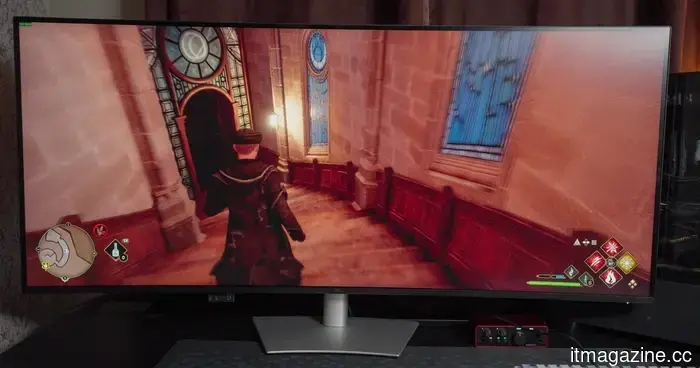 Review of the Dell UltraSharp 52 Thunderbolt Hub Monitor: A complete workstation within one display.
The Dell UltraSharp 52 is intended to offer more than just additional screen real estate. Featuring an integrated Thunderbolt dock, a KVM switch, and a large 5K2K display, it seeks to serve as a complete desktop solution. After using it for several weeks, here’s an evaluation of its performance.
Review of the Dell UltraSharp 52 Thunderbolt Hub Monitor: A complete workstation within one display.
The Dell UltraSharp 52 is intended to offer more than just additional screen real estate. Featuring an integrated Thunderbolt dock, a KVM switch, and a large 5K2K display, it seeks to serve as a complete desktop solution. After using it for several weeks, here’s an evaluation of its performance.
Pixel 11 presents an innovative method for deaf individuals to interact with those who are not familiar with sign language.
Google's Pixel 11 series features a camera-based sign-to-text function that enables users who are deaf or hard of hearing to communicate with individuals who do not understand sign language.