
Chrome seeks additional reviews for extensions, but positive ratings alone won’t prevent malware.
Google is trialing built-in prompts for extension reviews, although strong ratings can still conceal malware.
Google is looking to integrate extension review links directly within Chrome, placing user feedback closer to the existing menus used for managing extensions.
A change in Chromium, first identified by Windows Report, indicates the inclusion of review options in the Extensions menu, on the chrome://extensions management page, and within extension context menus. Only Chrome Web Store extensions that are in good standing will qualify for this feature, which is still under development.
This update could make it simpler for users to find recent complaints. However, it won't address the more significant issue that an extension's rating may relate to an earlier, safer version rather than the one currently installed in a user’s browser.
Where reviews will be accessible in Chrome
The intended feature aims to provide shortcuts for reviews within Chrome, eliminating the need for users to search for an extension’s Web Store listing. Clicking on one of these links will likely direct users to the listing where they can provide feedback.
Google seems to be excluding unpacked, unpublished, removed, and policy-violating extensions. The feature is still experimental and is not yet operational in the Canary version of Chrome, leaving its final design and implementation uncertain.
It’s important to note that this is merely a feedback feature and not a new layer of security. Chrome won't be scanning extensions in a different way or alerting users if an add-on becomes malicious. It simply enhances the visibility of the existing review process.
Why positive reviews may be misleading
Chrome extensions are often targeted by malware because they can access the browser extensively and maintain this access even after gaining a trustworthy reputation.
Microsoft recently discovered 119 malicious extensions linked to its StegoAd campaign, with up to 2.6 million installations. Many of these extensions initially behaved as advertised while delaying harmful actions, making them appear legitimate until their concealed payloads were activated.
A strong average rating might, therefore, reflect the extension that users installed months prior, not the current version available.
What Chrome users should be aware of
Easier access to review links could aid users in noticing abrupt changes in feedback following an update. A surge of complaints regarding redirects or unexpected behavior is far more informative than a polished rating derived from outdated reviews.
Reviews cannot analyze code or ensure safety, but they function best as an early warning system, especially when recent comments sharply contrast the overall rating.
Google has not yet confirmed a release date for these prompts in the stable version of Chrome. Until then, users concerned about an installed extension will still need to manually check its Web Store page and read the latest reviews instead of relying solely on the aggregate rating.



Other articles
 OpenAI brings the Apple lawsuit into the public eye, while Apple intensifies its response.
OpenAI revealed private messages to counter Apple's trade-secrets lawsuit. On the same day, Apple requested an injunction and indicated that 11 additional former employees might be implicated.
OpenAI brings the Apple lawsuit into the public eye, while Apple intensifies its response.
OpenAI revealed private messages to counter Apple's trade-secrets lawsuit. On the same day, Apple requested an injunction and indicated that 11 additional former employees might be implicated.
 TCL has just updated the Tab A1 Plus by incorporating its NXTPAPER technology and a larger battery.
TCL has introduced the Tab A1 Plus NXTPAPER, an upgraded version of its affordable tablet from earlier this year, featuring a paper-like display mode and an enhanced battery capacity.
TCL has just updated the Tab A1 Plus by incorporating its NXTPAPER technology and a larger battery.
TCL has introduced the Tab A1 Plus NXTPAPER, an upgraded version of its affordable tablet from earlier this year, featuring a paper-like display mode and an enhanced battery capacity.
 DuckDuckGo's latest feature for iPhone prevents tracking IDs from being included in shared links.
DuckDuckGo’s Copy Clean Link function removes unnecessary URL parameters before sharing, which helps stop tracking IDs from being passed along in messages, emails, and social media posts on iPhone.
DuckDuckGo's latest feature for iPhone prevents tracking IDs from being included in shared links.
DuckDuckGo’s Copy Clean Link function removes unnecessary URL parameters before sharing, which helps stop tracking IDs from being passed along in messages, emails, and social media posts on iPhone.
 Jeff Bezos submits a request to sell approximately $4 billion worth of Amazon shares following the stock reaching a $3 trillion valuation.
Bezos submitted a request to sell 15 million shares of Amazon, valued at approximately $4 billion, as part of a pre-arranged trading strategy, just days after the company reached a market capitalization of $3 trillion.
Jeff Bezos submits a request to sell approximately $4 billion worth of Amazon shares following the stock reaching a $3 trillion valuation.
Bezos submitted a request to sell 15 million shares of Amazon, valued at approximately $4 billion, as part of a pre-arranged trading strategy, just days after the company reached a market capitalization of $3 trillion.
 Deel purchases deepfake-detection company Clarity as issues with fake hiring escalate.
Deel has acquired the Tel Aviv startup Clarity for as much as $50 million, marking its 15th acquisition. This move integrates ongoing identity verification into the hiring process as the company surpasses $1 billion in annual recurring revenue (ARR).
Deel purchases deepfake-detection company Clarity as issues with fake hiring escalate.
Deel has acquired the Tel Aviv startup Clarity for as much as $50 million, marking its 15th acquisition. This move integrates ongoing identity verification into the hiring process as the company surpasses $1 billion in annual recurring revenue (ARR).
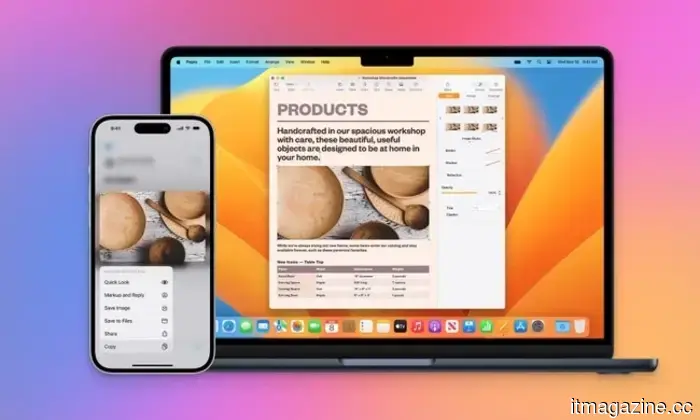
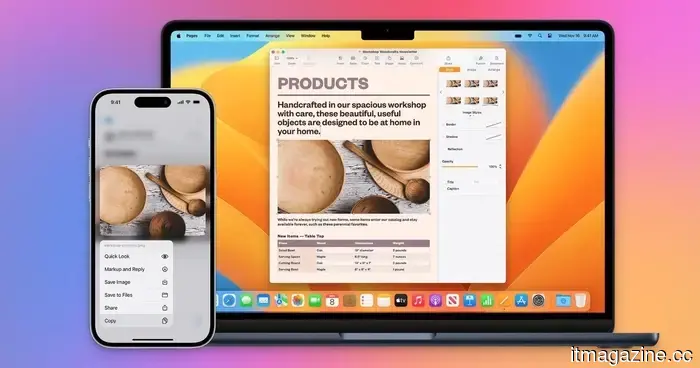 Apple will finally make the iPhone-to-Windows copy-paste process much easier.
Apple has consented to create a developer framework that may ultimately allow for smooth clipboard synchronization between iPhone and Windows, although the initial beta will be released sometime after fall 2027.
Apple will finally make the iPhone-to-Windows copy-paste process much easier.
Apple has consented to create a developer framework that may ultimately allow for smooth clipboard synchronization between iPhone and Windows, although the initial beta will be released sometime after fall 2027.
Chrome seeks additional reviews for extensions, but positive ratings alone won’t prevent malware.
Chrome might soon simplify the process of locating extension reviews, yet high ratings could still conceal harmful actions that might emerge from future updates or compromised listings.