
Intel's Q2 2026 earnings report reveals revenue exceeding $16 billion, with AI demand accelerating growth at the fastest rate since 2011.
TL;DR: Intel's Q2 revenue surpassed $16 billion, achieving 25% growth—the fastest increase since 2011—but shares fell even after earnings estimates were doubled.
In the second quarter of 2026, Intel's revenue exceeded $16 billion, representing a 25% increase from the previous year and marking the company's quickest growth since late 2011. The adjusted earnings per share were reported at 42 cents, surpassing the Wall Street consensus of 21 cents. Although shares initially rose following the announcement, they reversed direction in after-hours trading, adding to a 28% decline in July, although the stock remains up over 170% this year.
The data center and AI division significantly contributed to the results, with revenues increasing 59% year-over-year to over $6 billion. The client computing sector, which focuses on PC chips, grew by 13% to nearly $9 billion, while the foundry division's revenue reached almost $6 billion, marking a 31% rise. The gross margin improved to 42% from under 3% a year prior, reflecting both increased demand and the cost control measures implemented by CEO Lip-Bu Tan since his appointment in March 2025.
Intel projects third-quarter revenue to be between nearly $16 billion and nearly $17 billion, exceeding the consensus estimate of just over $15 billion, with adjusted earnings per share expected to be 38 cents compared to a 27-cent estimate. The company also announced it has signed 10 long-term foundry customer agreements and is facing supply constraints in its data center segment, a rare issue for Intel in recent years. Earlier this month, Fortinet became Intel's first confirmed foundry customer under Tan, although the agreement involves older manufacturing processes rather than the advanced nodes that are critical for Intel's sales.
These results come as the U.S. government owns approximately 10% of Intel after purchasing nearly $9 billion in shares at just over $20 each through a Chips Act agreement in August 2025. That stake has increased in value, but the stock's decline in July has wiped out billions in value despite the company's positive business momentum. Tan informed analysts that "AI is driving unprecedented demand for compute" and that Intel's advanced 14A manufacturing process is ahead of schedule.
Intel has exceeded expectations for the seventh consecutive quarter, continuing a trend that started under Tan's turnaround strategy. However, market reactions indicate that investors are seeking confirmation that the foundry division can secure a significant client for its most advanced chips. The company cautioned that stagnant PC sales in the third quarter, caused by a memory shortage, could impact client computing revenue. The pivotal question remains whether Intel can turn its manufacturing potential into notable customer acquisitions that justify its impressive stock performance—an answer Tan has yet to provide clearly.
Other articles
 The dead internet theory is turning into a measurable reality as AI agents inundate the web.
Several cybersecurity companies have verified that bots account for the majority of web traffic, with activity from AI agents experiencing an increase of nearly 8,000% and transforming the internet economy.
The dead internet theory is turning into a measurable reality as AI agents inundate the web.
Several cybersecurity companies have verified that bots account for the majority of web traffic, with activity from AI agents experiencing an increase of nearly 8,000% and transforming the internet economy.
 Meta introduces a standalone Seller app for Facebook Marketplace featuring AI-enhanced listings.
To mark the platform's tenth anniversary, the seller provides Marketplace power sellers with a specialized app that includes AI-driven listing creation, a consolidated inbox, and performance analytics.
Meta introduces a standalone Seller app for Facebook Marketplace featuring AI-enhanced listings.
To mark the platform's tenth anniversary, the seller provides Marketplace power sellers with a specialized app that includes AI-driven listing creation, a consolidated inbox, and performance analytics.
 Tesla FSD subscribers approach 1.5 million as the software attachment rate reaches 55 percent of deliveries.
Tesla currently has nearly 1.5 million subscribers to its FSD service, having gained 200,000 in the second quarter, marking its largest quarterly increase, with 55% of North American deliveries choosing to subscribe.
World Foundation secures $52 million through a token sale to expand proof-of-human infrastructure.
World Foundation secured $52 million through a locked WLD token sale spearheaded by Pantera Capital to enhance World ID integration with Zoom, Tinder, and Docusign.
Tesla FSD subscribers approach 1.5 million as the software attachment rate reaches 55 percent of deliveries.
Tesla currently has nearly 1.5 million subscribers to its FSD service, having gained 200,000 in the second quarter, marking its largest quarterly increase, with 55% of North American deliveries choosing to subscribe.
World Foundation secures $52 million through a token sale to expand proof-of-human infrastructure.
World Foundation secured $52 million through a locked WLD token sale spearheaded by Pantera Capital to enhance World ID integration with Zoom, Tinder, and Docusign.
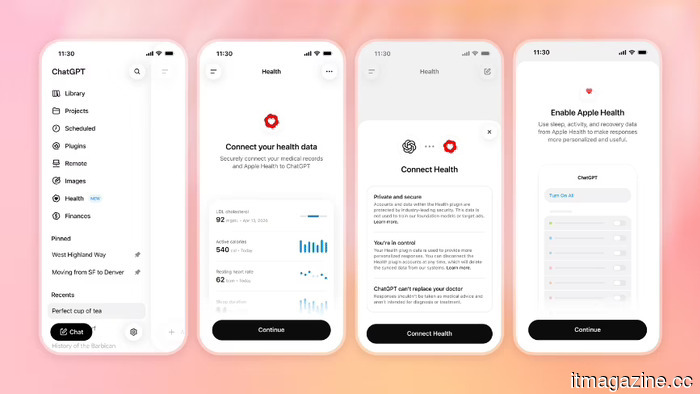 ChatGPT Health is now available to all adults in the United States.
OpenAI is making ChatGPT Health accessible to all adults in the US, linking it with Apple Health and medical records, and asserting that its AI reasons "better than clinician level."
ChatGPT Health is now available to all adults in the United States.
OpenAI is making ChatGPT Health accessible to all adults in the US, linking it with Apple Health and medical records, and asserting that its AI reasons "better than clinician level."
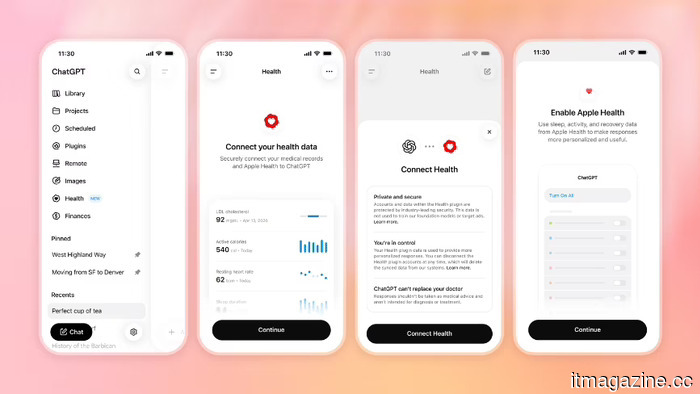 ChatGPT Health is now available to all adults in the United States.
OpenAI is making ChatGPT Health accessible to all adults in the US, integrating it with Apple Health and medical records, and asserting that its AI reasoning surpasses that of clinicians.
ChatGPT Health is now available to all adults in the United States.
OpenAI is making ChatGPT Health accessible to all adults in the US, integrating it with Apple Health and medical records, and asserting that its AI reasoning surpasses that of clinicians.
Intel's Q2 2026 earnings report reveals revenue exceeding $16 billion, with AI demand accelerating growth at the fastest rate since 2011.
Intel reported Q2 revenue exceeding $16 billion, marking a 25% increase compared to the previous year, representing its fastest growth since 2011. However, shares fell even after surpassing predictions.