
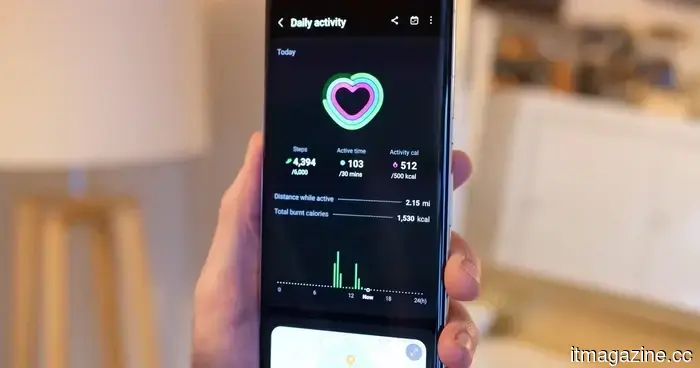
Samsung's latest AI assistant aims to clarify the significance of your health data.
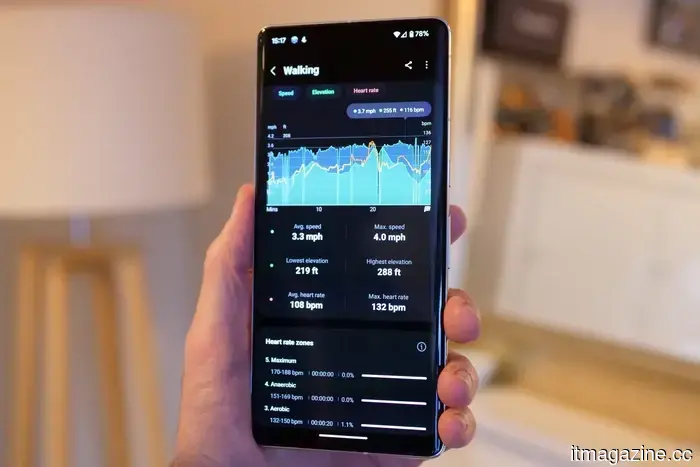
Your Galaxy Watch gathers the data, and Samsung Health Assistant connects the information.
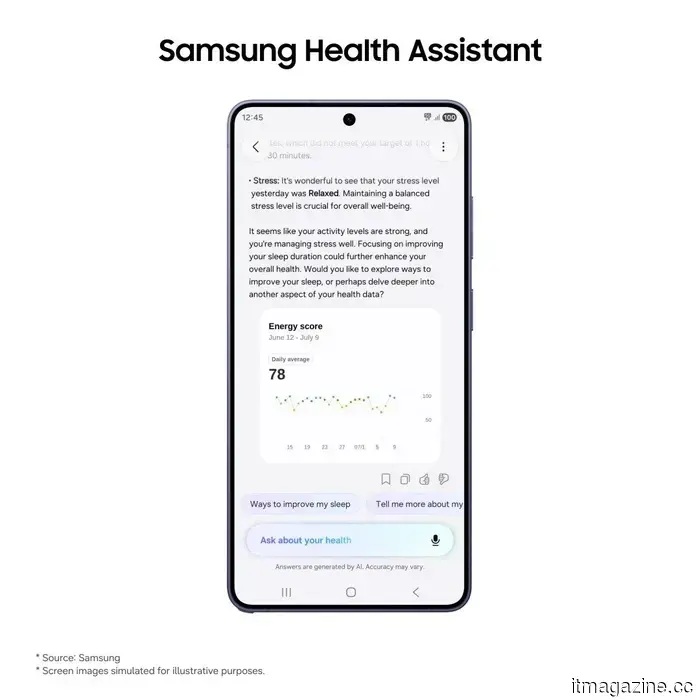
Samsung Health is becoming increasingly intelligent with its new AI assistant. The Samsung Health Assistant is now in beta for eligible users in the United States. Integrated within Samsung Health, this conversational assistant can evaluate the information received through the app and respond to personalized inquiries regarding the user’s health and wellness.
Now, your health charts can communicate with you.
The Health Assistant utilizes Samsung Health’s five primary wellness categories: sleep, activity, nutrition, mindfulness, and vital signs. It can recognize connections among these areas, highlight patterns that may be challenging to detect, and clarify how one aspect of a user’s routine may affect another.
This means it can navigate through extensive data produced by your Galaxy Watch or Galaxy Ring and present it in a more comprehensible format. Instead of needing to open separate screens for sleep, exercise, and other aspects, users can simply pose questions and receive guidance based on a comprehensive overview. Samsung also mentions that its suggestions have been validated by doctors and certified health professionals.
The Energy Score still requires activity, sleep, and overnight heart rate information collected via a compatible Galaxy Watch or Galaxy Ring. The assistant is also capable of including data entered manually or stored within Samsung Health, like nutrition and mindfulness information.
Future iterations could become much more personalized. Samsung intends to utilize its Personal Data Engine to consider elements such as calendar events, routines, and personal preferences. They are also looking into coaching based on goals and services like weight management.
Samsung is entering an increasingly competitive AI health market.
Samsung refers to the Health Assistant as the first “fully integrated” AI-driven personal health assistant. This puts it in competition with other similar offerings, such as Google Health Coach, which integrates Fitbit or Pixel Watch data with sleep, fitness, nutrition, and medical record information. This system uses Gemini to respond to inquiries and create personalized plans, but access requires a monthly subscription to Google Health Premium at $9.99.
Another notable example is Oura Advisor, which employs biometric data and long-term trends gathered by an Oura Ring to provide tailored responses about sleep, activity, readiness, and resilience, requiring an active Oura membership. However, Samsung has not confirmed whether the Health Assistant will eventually require a fee or disclosed which Galaxy devices are eligible for the current beta. It is also uncertain when or if this feature will be available outside the US.
The company has clarified that this feature is not intended to provide medical advice, diagnoses, or treatment suggestions. Its purpose is solely to facilitate the understanding of health trends.
Vikhyaat Vivek is a tech journalist and reviewer with seven years of experience focusing on consumer hardware.
TSMC may implement a price increase that could impact your next phone, laptop, or tablet.
Here's what the rumored 10% chip price hike from TSMC means financially and how it might lead to higher costs for your next phone or laptop. My wallet took a hit the moment I came across "TSMC" and "price increase" in the same headline, and yours probably should as well. It appears that the company producing the silicon for nearly every flagship device, including Apple's A-series and Qualcomm’s Snapdragon processors, is likely to make its products a bit more expensive.
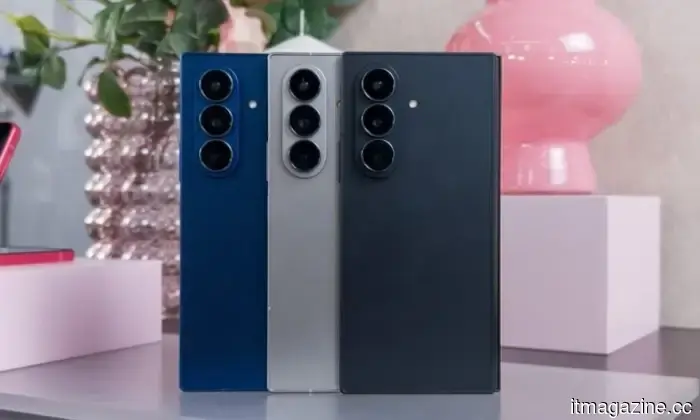
Samsung’s free storage doubling for preorders has ended in Austria, and the substitute is less appealing.
Samsung's free storage doubling offer may now be a thing of the past. If you were counting on the free storage increase when pre-ordering a Samsung foldable device, tomorrow's Unpacked event may be disappointing. For years, pre-ordering a new Galaxy meant receiving double the storage at no extra cost. Purchasing the 128GB model would yield 256GB for the same price, and the same applied to 256GB and 512GB models. However, this could change at the upcoming Galaxy Unpacked event.
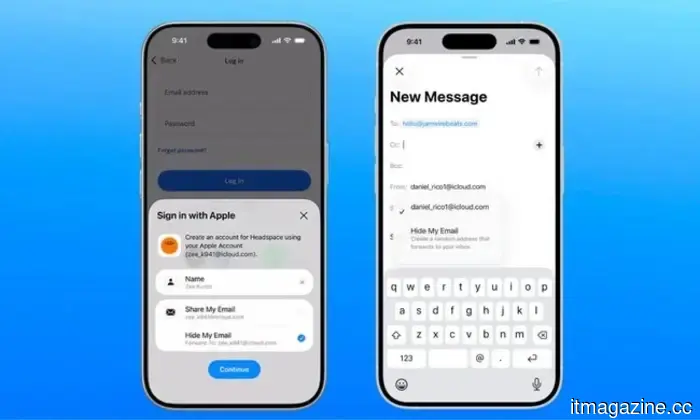
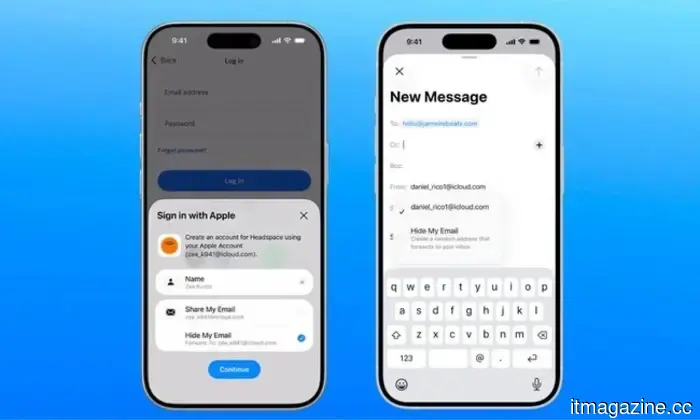
Apple has fixed a bug in Hide My Email that exposed users' actual email addresses.
Here's how the flaw in Apple's Hide My Email feature leaked real email addresses for over a year and why it was only addressed after the issue became public. It turns out the "Hide" aspect of Hide My Email wasn't functioning as promised, which I initially reported on in July. Security researcher Tyler Murphy discovered the issue in June 2025, but despite Apple stating it had been fixed in March 2026, independent testing confirmed it remained vulnerable until July 3, 2026. How did this bug operate?


Другие статьи
 The University of Tennessee is filing a lawsuit against Anthropic regarding patents related to neural networks.
The University of Tennessee has filed a lawsuit against Anthropic in Delaware concerning two neural network patents, marking what is believed to be the first patent lawsuit involving the company.
The University of Tennessee is filing a lawsuit against Anthropic regarding patents related to neural networks.
The University of Tennessee has filed a lawsuit against Anthropic in Delaware concerning two neural network patents, marking what is believed to be the first patent lawsuit involving the company.
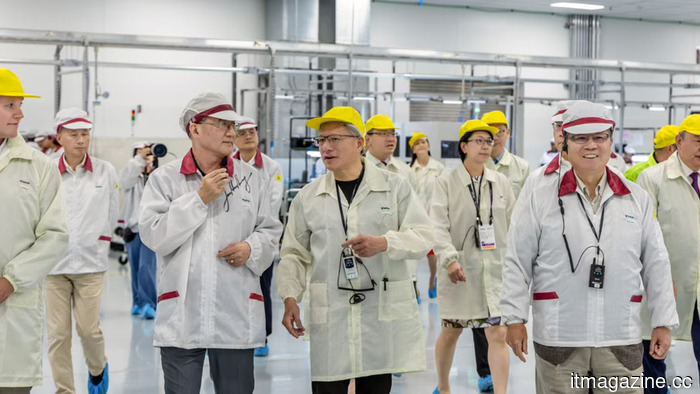 Nvidia supplier Wistron has launched a $700 million factory in Texas to manufacture Grace Blackwell superchips.
Wistron has inaugurated its inaugural factory in the US, located in Fort Worth, a $700 million facility that is already in mass production of Nvidia’s GB300 Grace Blackwell Ultra superchips.
The head of TikTok's US security will appear before the House China committee on September 15.
Will Farrell, TikTok's chief security officer for the US, is scheduled to testify before the House Select Committee on the Chinese Communist Party on September 15.
Nvidia supplier Wistron has launched a $700 million factory in Texas to manufacture Grace Blackwell superchips.
Wistron has inaugurated its inaugural factory in the US, located in Fort Worth, a $700 million facility that is already in mass production of Nvidia’s GB300 Grace Blackwell Ultra superchips.
The head of TikTok's US security will appear before the House China committee on September 15.
Will Farrell, TikTok's chief security officer for the US, is scheduled to testify before the House Select Committee on the Chinese Communist Party on September 15.
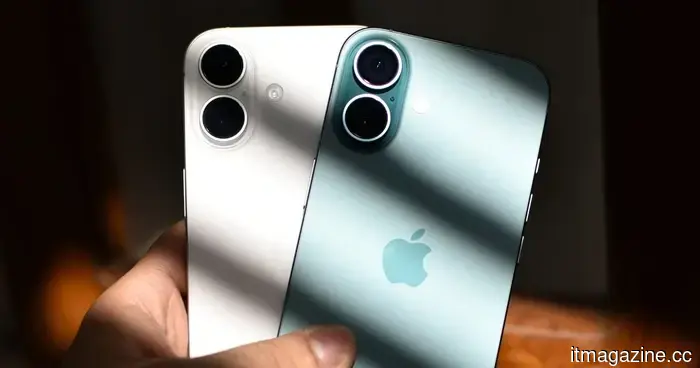 Apple is said to be collaborating with Klarna to allow customers to pay for new devices in installments.
Apple is said to be launching a new financing initiative named Apple Upgrade in collaboration with Klarna later this month.
Apple is said to be collaborating with Klarna to allow customers to pay for new devices in installments.
Apple is said to be launching a new financing initiative named Apple Upgrade in collaboration with Klarna later this month.
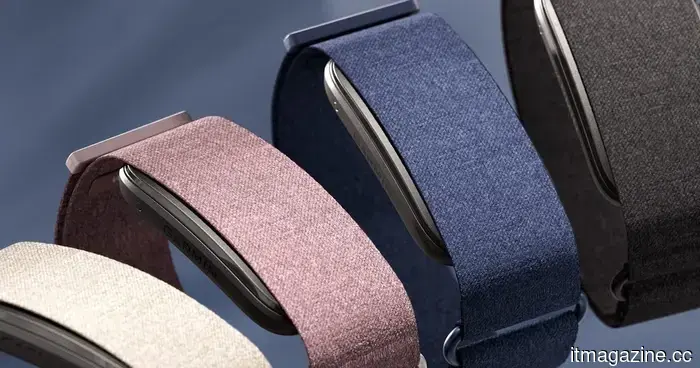 Garmin's latest competitor to Fitbit Air features 80 workout modes and steers clear of the annoying subscription model.
The Garmin CIRQA is priced at double that of the Fitbit Air; however, its extended battery life, comprehensive workout features, and software that doesn't require a subscription may warrant the higher cost.
Garmin's latest competitor to Fitbit Air features 80 workout modes and steers clear of the annoying subscription model.
The Garmin CIRQA is priced at double that of the Fitbit Air; however, its extended battery life, comprehensive workout features, and software that doesn't require a subscription may warrant the higher cost.
 The University of Tennessee has filed a lawsuit against Anthropic regarding patents related to neural networks.
The University of Tennessee has filed a lawsuit against Anthropic in Delaware regarding two neural network patents, marking what is believed to be the firm's inaugural patent litigation.
The University of Tennessee has filed a lawsuit against Anthropic regarding patents related to neural networks.
The University of Tennessee has filed a lawsuit against Anthropic in Delaware regarding two neural network patents, marking what is believed to be the firm's inaugural patent litigation.
Samsung's latest AI assistant aims to clarify the significance of your health data.
Samsung Health Assistant analyzes data gathered from your Galaxy devices and transforms fragmented information about sleep, activity, nutrition, and vital signs into interactive wellness advice.