
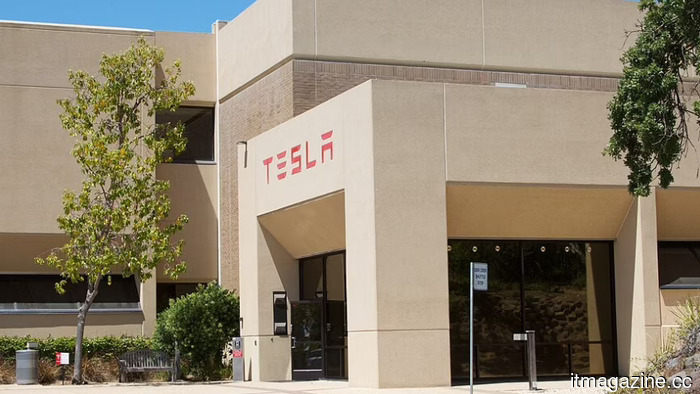
Tesla exceeded delivery expectations for Q2, yet the stock declined. The earnings report on Wednesday is likely to encounter the same issue.
Tesla’s Q2 vehicle deliveries exceeded estimates, yet the stock declined. The earnings report on Wednesday carries extremely high expectations. Rivian's R2 is set to compete directly with Tesla’s main segment, relying on non-automotive ventures for its valuation.
In the second quarter, Tesla delivered 480,126 vehicles, surpassing Wall Street's expectations with a 25% increase compared to last year. Despite this, the stock fell, indicating the high level of expectations ahead of the earnings announcement. Meeting or slightly surpassing bottom-line earnings is unlikely to result in a stock rally if delivery targets are not enough to drive positive momentum.
Competitive challenges are intensifying. Rivian’s R2, now in production, is aimed at the SUV segment priced between $45,000 and $60,000, coinciding with the price range from which Tesla’s Model 3 and Model Y are projected to account for over 96% of sales in 2025. While Rivian currently lacks the production capacity to match Tesla's volume, strong demand for the R2 provides it with the funding and credibility necessary for expansion. Rivian commenced R2 deliveries in June, viewing the declining U.S. EV market as a potential opportunity rather than a disadvantage. Meanwhile, Tesla faces increasing margin pressure in its key automotive sector as more competitors enter its most lucrative market.
Tesla's valuation hinges on future ventures that have yet to generate significant revenue. Wall Street is factoring in long-term potential from humanoid robots, Full Self-Driving technology, and possible synergies with SpaceX. However, investor interest has shifted from promising AI software developments to hardware providers with more immediate returns. Tesla’s robotaxis in Austin are experiencing crashes at a rate four times higher than human drivers, and the timeline for Full Self-Driving continues to extend. Additionally, Tesla raised its capital expenditure forecast for 2026 from $20 billion to $25 billion, investing more to secure a position that the current stock price already assumes is stable.
The options market anticipates a post-earnings move of about 7%, which is below Tesla's historical average of 9% during similar times. There is an elevated put skew, suggesting traders are paying more for downside protection than for upside opportunities. While this doesn’t necessarily indicate a stock decline, the combination of a delivery beat and a stock drop shows that the earnings expectations are exceptionally high—perhaps even beyond the anticipated figures.
Other articles
 Adobe's Project Indigo camera application can now utilize AI to edit and evaluate your photographs.
Adobe is trialing AI Playground, a new functionality in its Project Indigo camera application that incorporates AI editing tools along with a photo critic. Currently, access is free, but it's restricted to a select group of users for a few weeks.
Adobe's Project Indigo camera application can now utilize AI to edit and evaluate your photographs.
Adobe is trialing AI Playground, a new functionality in its Project Indigo camera application that incorporates AI editing tools along with a photo critic. Currently, access is free, but it's restricted to a select group of users for a few weeks.
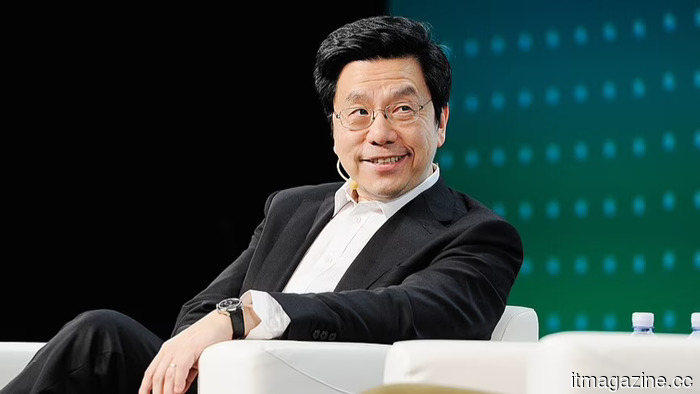 Kai-Fu Lee has shifted from developing AI models to marketing enterprise data infrastructure. Now, 01.ai is preparing for an IPO in Hong Kong.
Lee accepted defeat in the model race after DeepSeek. 01.ai is currently refining open-weight models and packaging them in data software for businesses. Fifty percent of its operations are based outside of China.
Kai-Fu Lee has shifted from developing AI models to marketing enterprise data infrastructure. Now, 01.ai is preparing for an IPO in Hong Kong.
Lee accepted defeat in the model race after DeepSeek. 01.ai is currently refining open-weight models and packaging them in data software for businesses. Fifty percent of its operations are based outside of China.
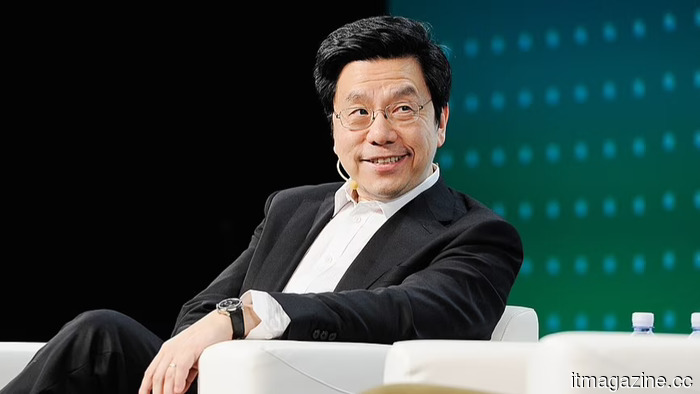 Kai-Fu Lee has shifted from creating AI models to offering enterprise data infrastructure. Currently, 01.ai is preparing for an IPO in Hong Kong.
Lee admitted defeat in the model race after DeepSeek. 01.ai is now refining open-weight models and integrating them with data software for businesses. Fifty percent of its operations are based outside of China.
Kai-Fu Lee has shifted from creating AI models to offering enterprise data infrastructure. Currently, 01.ai is preparing for an IPO in Hong Kong.
Lee admitted defeat in the model race after DeepSeek. 01.ai is now refining open-weight models and integrating them with data software for businesses. Fifty percent of its operations are based outside of China.
 Interested in exploring film photography? Kodak's new camera priced at $35 is an excellent option to begin with.
This $35 point-and-shoot camera simplifies 35mm film photography, featuring user-friendly settings and a sleek sliding lens cover.
Interested in exploring film photography? Kodak's new camera priced at $35 is an excellent option to begin with.
This $35 point-and-shoot camera simplifies 35mm film photography, featuring user-friendly settings and a sleek sliding lens cover.
 Samsung's hidden AI chip may finally alleviate the overheating issues in Exynos smartphones.
An AI chip designed by Samsung's Exynos team for laptops suggests a genuine solution to the issues of overheating and battery efficiency.
Samsung's hidden AI chip may finally alleviate the overheating issues in Exynos smartphones.
An AI chip designed by Samsung's Exynos team for laptops suggests a genuine solution to the issues of overheating and battery efficiency.
 Adobe's Project Indigo camera application now has the capability to edit and evaluate your photos using AI.
Adobe is currently testing AI Playground, a new functionality in its Project Indigo camera application that offers AI editing tools and a photo critic. Access is currently free, but it is restricted to a small group of users for the next few weeks.
Adobe's Project Indigo camera application now has the capability to edit and evaluate your photos using AI.
Adobe is currently testing AI Playground, a new functionality in its Project Indigo camera application that offers AI editing tools and a photo critic. Access is currently free, but it is restricted to a small group of users for the next few weeks.
Tesla exceeded delivery expectations for Q2, yet the stock declined. The earnings report on Wednesday is likely to encounter the same issue.
In Q2, Tesla delivered 480,126 vehicles, surpassing expectations. However, the stock saw a decline. Rivian's R2 aims at Tesla's main price range. Options traders are taking a bearish stance.