
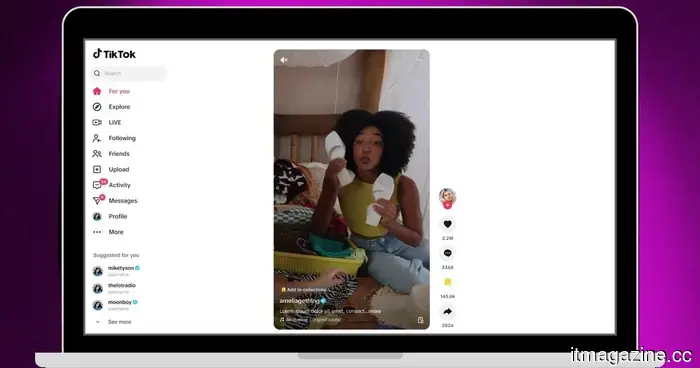
Following YouTube, TikTok is experimenting with its own tool for detecting AI-generated likenesses.
TikTok has introduced a new feature that allows creators to report AI deepfakes of themselves directly.
AI deepfakes have become a significant issue for creators, and TikTok is now taking action. Social media consultant Matt Navarra noticed the platform quietly piloting a new opt-in tool designed to detect AI-generated content that mimics a creator’s face, enabling them to flag such content directly.
TikTok is experimenting with an AI likeness detection tool for creators. @tiktok_us is currently testing this opt-in tool with a small group of US creators, which identifies AI-generated content that may use a creator's likeness without their permission. pic.twitter.com/XxTF4nUETz— Matt Navarra (@MattNavarra) July 17, 2026
Zachary Kizer, a spokesperson for TikTok US, confirmed to The Verge that the test is being conducted with a limited number of creators in the United States. This move positions TikTok closely behind YouTube, which has already rolled out its own likeness detection tool to qualified creators aged 18 and over after months of testing, and has even provided comparable protections to celebrities and talent agencies earlier in the year.
To combat deepfakes, TikTok requires a scan of your real face.
The AI likeness detection tool from TikTok is voluntary, but creators wishing to utilize it must first verify their identity using Jumio, which involves submitting a real-time selfie and an ID verification. According to Kizer, TikTok does not retain ID documents, and facial data is only used to match a creator’s likeness and identify possible unauthorized AI-generated content.
Once verification is complete, TikTok initiates scanning for AI-generated content that may include the creator's face or likeness. If potential matches are found, creators can review these and report any posts or accounts they believe are impersonating them.
TikTok
Why is TikTok’s voluntary approach significant?
Recent developments have highlighted how quickly AI-generated likenesses can spark controversy. Earlier this month, Meta introduced Muse Image, which allowed anyone to generate AI images from public Instagram photos, with all accounts automatically opted in. The backlash was rapid enough that Meta retracted the feature just three days later, acknowledging it had made a misstep.
TikTok takes a different approach: verification is mandatory, participation is voluntary, and creators maintain control. With both YouTube and TikTok at the forefront of this type of protection, AI likeness detection is fast becoming an expected tool for creators on all major video platforms.
Manisha Priyadarshini is a tech and entertainment writer with over nine years of editorial experience.
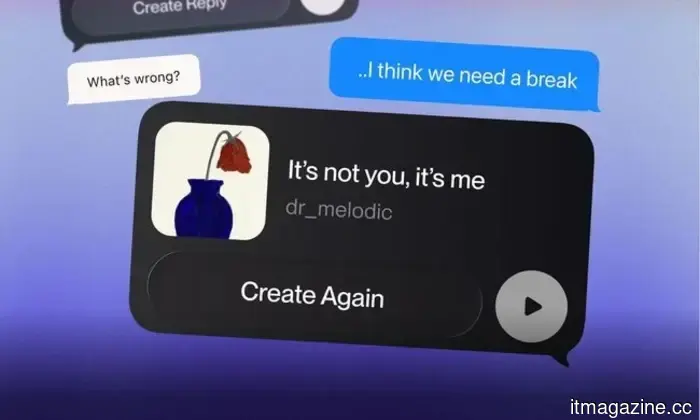
iMessage users can now convert chats into short AI-generated songs.
Suno has introduced an iMessage extension for its iOS app, allowing users to create 30-second songs from voice recordings or text prompts within a Messages conversation. This feature is included in the latest version of the Suno app and requires both participants in the chat to have the app installed. Users can access Suno from the plus menu in Messages, create a track, and share it without needing to open the standalone app.
The UK has proposed a midnight social media curfew for teenagers that they can easily bypass.
The UK government has suggested implementing a midnight to 6 AM curfew for social media usage among 16- and 17-year-olds, restricting access to platforms like Instagram, TikTok, and YouTube. However, circumventing this limitation will only take a few taps.
X is teaching its AI algorithm a lesson that social networks once grasped.
X has discovered an innovative approach to making social media feel more social again. The platform intends to increase the visibility of posts among mutual connections—accounts that follow each other. As stated by X product head Nikita Bier, this relationship data had been absent from the algorithm, resulting in familiar accounts being less visible when reply sections were crowded.



Other articles
 The White House is now determining who has access to advanced AI models, rather than the laboratories.
The Trump administration is controlling which companies have access to new AI models from Anthropic and OpenAI, transferring authority from technology corporations to the government.
The White House is now determining who has access to advanced AI models, rather than the laboratories.
The Trump administration is controlling which companies have access to new AI models from Anthropic and OpenAI, transferring authority from technology corporations to the government.
 Kevin O'Leary claims that data centers consume less water than golf courses. However, the figures are more complex.
Golf courses consume 2.08 billion gallons of water daily, while data centres use 449 million gallons. However, the demand for water in data centres is rapidly increasing and may surpass that of golf courses by 2028.
Kevin O'Leary claims that data centers consume less water than golf courses. However, the figures are more complex.
Golf courses consume 2.08 billion gallons of water daily, while data centres use 449 million gallons. However, the demand for water in data centres is rapidly increasing and may surpass that of golf courses by 2028.
.jpg) This gripping true story thriller is among the three underrated Netflix series you ought to check out this weekend (July 17-19).
This weekend's Netflix lineup includes a humorous animated film set in an apocalypse, a chilling mystery from Iceland, and a true crime thriller, all of which are both critically recognized and overlooked.
This gripping true story thriller is among the three underrated Netflix series you ought to check out this weekend (July 17-19).
This weekend's Netflix lineup includes a humorous animated film set in an apocalypse, a chilling mystery from Iceland, and a true crime thriller, all of which are both critically recognized and overlooked.
 What Features are Most Important in a Printer for a Small Business or Home Office?
Features such as print speed, wireless reliability, AI-driven scanning, and integrated security are what significantly impact a bustling home office or small business.
What Features are Most Important in a Printer for a Small Business or Home Office?
Features such as print speed, wireless reliability, AI-driven scanning, and integrated security are what significantly impact a bustling home office or small business.
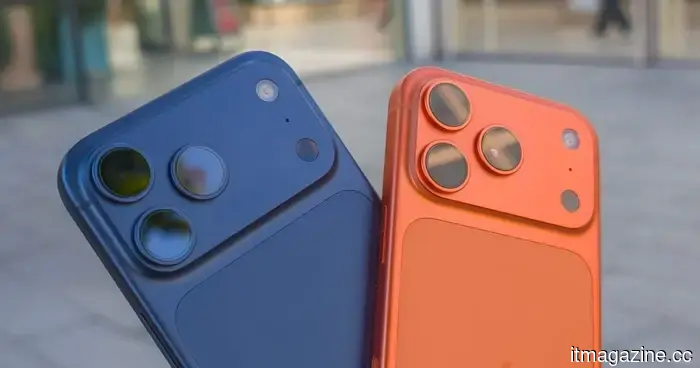 Apple increases iPhone prices by as much as 11% in Japan.
Apple has increased iPhone prices in Japan by as much as 11.3%, probably due to the significant drop of the yen in comparison to the US dollar.
Apple increases iPhone prices by as much as 11% in Japan.
Apple has increased iPhone prices in Japan by as much as 11.3%, probably due to the significant drop of the yen in comparison to the US dollar.
 Chinese car sales in the UK soared from 384 in 2015 to 285,000 last year. The reason for this is the difference in tariffs.
In 2025, sales of vehicles manufactured in China in the UK rose to 285,000. Unlike the EU, the UK imposes no extra tariff on plug-in hybrids. Brands like BYD and Geely are rapidly increasing their market presence.
Chinese car sales in the UK soared from 384 in 2015 to 285,000 last year. The reason for this is the difference in tariffs.
In 2025, sales of vehicles manufactured in China in the UK rose to 285,000. Unlike the EU, the UK imposes no extra tariff on plug-in hybrids. Brands like BYD and Geely are rapidly increasing their market presence.
Following YouTube, TikTok is experimenting with its own tool for detecting AI-generated likenesses.
As deepfakes become more prevalent, TikTok is following YouTube by offering creators tools to identify and report unauthorized AI representations of themselves.