
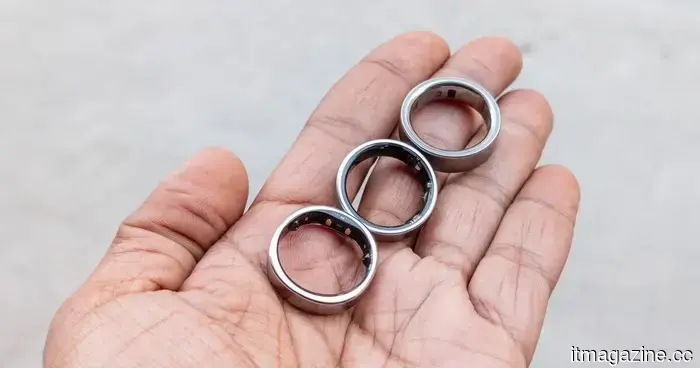
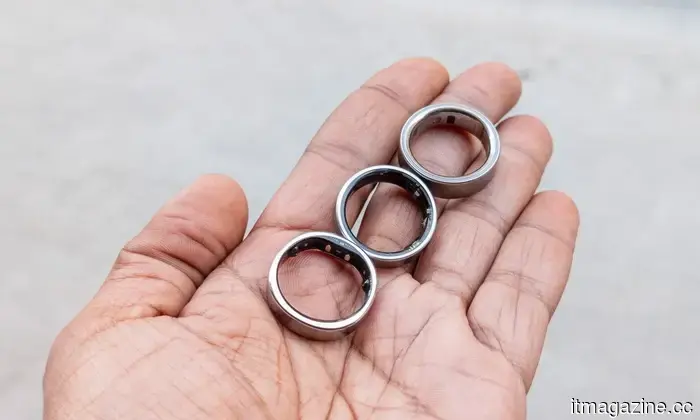
This intelligent ring offers a blood pressure claim that neither Apple nor Oura has yet provided.
Digital Trends may receive a commission when you make purchases through links on our site. Why you can trust us?
The Signal Ring, priced at $399, offers genuine systolic and diastolic blood pressure readings, but is being launched as a wellness device without FDA approval.
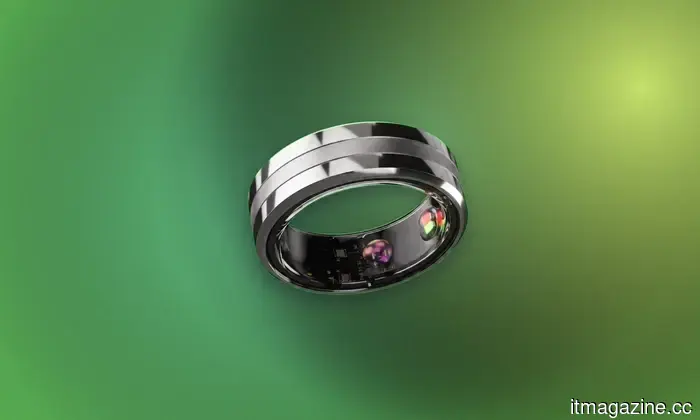
Vital Signals has introduced a $399 smart ring that surpasses the capabilities of Apple's and Oura's products. The Signal Ring provides numerical blood pressure readings without the need for an arm cuff for initial or ongoing calibration.
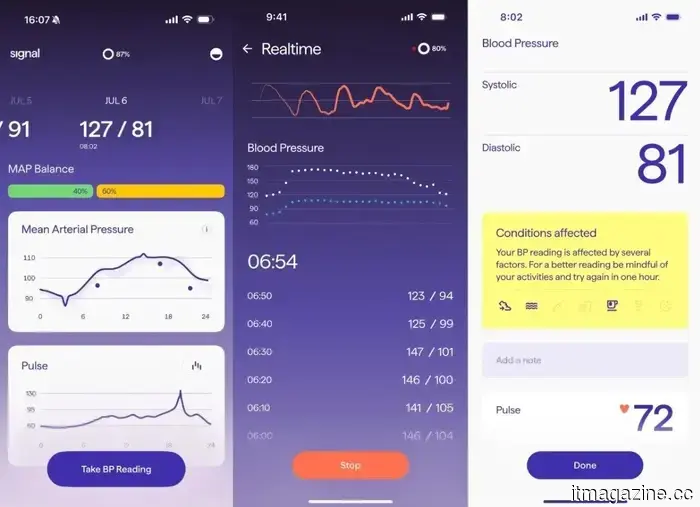
According to Bloomberg, preorders will begin on July 16, with shipments expected to start in October. The ring can take readings throughout the day and night, displaying the results via an iOS or Android app.
The consumer version has not received FDA approval. Vital Signals is separately working on a medical-grade variant aimed at diagnosing hypertension and identifying alarming trends, though the results of those clinical trials have not yet been released.
How the Signal Ring operates
Using custom electronics and proprietary algorithms, the ring estimates blood pressure from the finger. Vital Signals claims its system considers physiological variations like body mass and changing arterial stiffness.
The American Heart Association explains a similar method in the cuffless category, where optical sensors detect cardiovascular signals, and software converts them into estimated readings.
Users still need to remain still and manually initiate a session for optimal measurements. The app includes breathing exercises and pauses when it detects movement or conversation, which can disrupt the readings.
Reasons to be cautious
During Bloomberg's hands-on testing, several readings were inconsistent. Vital Signals attributed these inaccuracies to ring fit, which is a significant limitation for a device relying on consistent skin contact.
Most data processing occurs in the cloud. The ring can record measurements offline, but users won't see their results until it reconnects.
The FDA advises against depending on unauthorized blood pressure wearables, as inaccurate readings could delay necessary treatment or lead to unsuitable medication adjustments. The FDA's draft guidance for cuffless devices also outlines extensive performance testing required in this field.
Who is the ring intended for?
Vital Signals is targeting individuals with hypertension or those at increased risk, rather than the general fitness market. The ring tracks heart rate and provides some sleep monitoring, but these features are secondary.
There are no subscription fees, making the $399 price more palatable compared to Oura. Anyone whose treatment relies on precise readings should continue using a certified arm cuff and consult with a healthcare professional. Once the ring is shipped in October, everyday use will determine its efficacy in handling movement and imperfect fits outside of controlled environments.
Paulo Vargas is an English major who transitioned to reporting and then to technical writing, consistently returning to his roots.
HTC’s smart glasses may soon be launching in the US, although HTC has not confirmed this.
Amazon briefly listed the VIVE Eagle for a September 1 release, while HTC continues to state that the $499 glasses are only available in Taiwan.
HTC's VIVE Eagle smart glasses might finally make their way to the US market. Amazon seemingly released the information before HTC was prepared to announce it. Notebookcheck discovered six versions available for preorder at $499, each with a September 1 release date. Amazon has since removed the listings, leaving new orders unavailable and anyone who has already ordered uncertain about its validity.
Don’t expect smartwatches and fitness bands to have replaceable batteries anytime soon.
It seems the EU agrees that your smartwatch may be too compact for battery replacement.
The EU has a track record of encouraging tech companies to implement substantial changes in their products. This is why your iPhone now has a USB-C port and why companies must also provide spare parts and repair support for electronics for several years following their launch. Many anticipated that wearables would soon be required to have swappable batteries, but the EU has taken a different direction.
What did the EU announce?
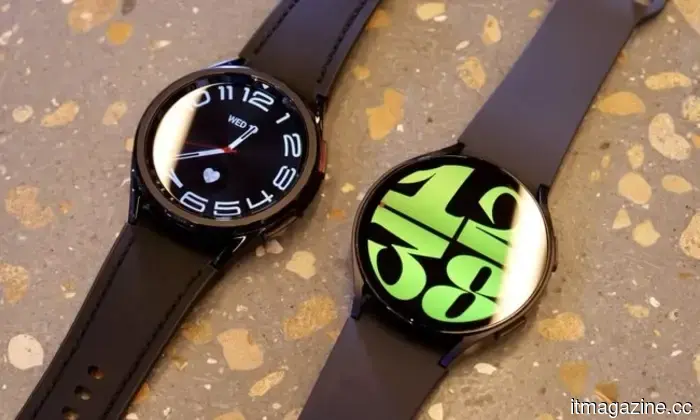
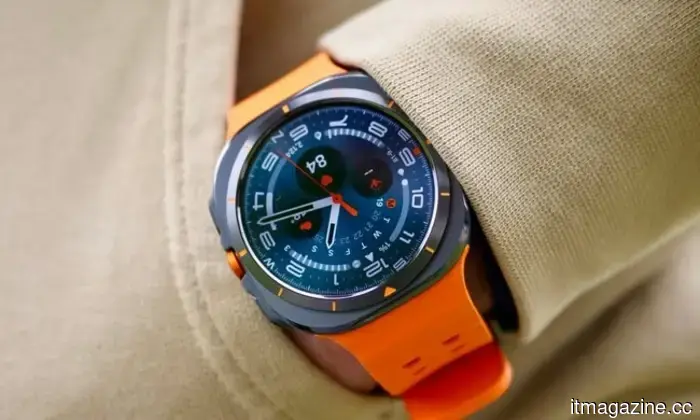
Samsung is positioning its upcoming Galaxy Watch as your AI health companion.
Ahead of its July 22 Unpacked event, Samsung has begun to tease AI-enhanced health tracking and improved features for its next smartwatches.
Samsung's Galaxy Unpacked event on July 22 won't only showcase new foldables. The company has started promoting its next-generation smartwatches, heavily emphasizing AI integration. In a pre-event announcement, Samsung pledges "a whole new level of effortless wellness," referring to the upcoming watches as an "AI-powered health companion."


Other articles
 Microsoft's notable Patch Tuesday: AI identified the issues.
In its July Patch Tuesday, Microsoft addressed a record total of 622 vulnerabilities, attributing the increase to AI-driven detection methods. Two of these were zero-day vulnerabilities that were already being exploited.
Microsoft's notable Patch Tuesday: AI identified the issues.
In its July Patch Tuesday, Microsoft addressed a record total of 622 vulnerabilities, attributing the increase to AI-driven detection methods. Two of these were zero-day vulnerabilities that were already being exploited.
 As Sony ends support for PS3 games, RPCS3 has successfully archived thousands for PC.
RPCS3 is now capable of running 75% of the monitored PS3 library on PC, achieving this milestone as Sony gets ready to shut down the console's digital store and stop new physical releases.
As Sony ends support for PS3 games, RPCS3 has successfully archived thousands for PC.
RPCS3 is now capable of running 75% of the monitored PS3 library on PC, achieving this milestone as Sony gets ready to shut down the console's digital store and stop new physical releases.
 Vint Cerf aims to provide AI agents with a sense of identity.
Vint Cerf, regarded as one of the founding figures of the internet, is participating in a project aimed at creating a robust identity layer for AI agents, enabling the web to recognize their creators.
Vint Cerf aims to provide AI agents with a sense of identity.
Vint Cerf, regarded as one of the founding figures of the internet, is participating in a project aimed at creating a robust identity layer for AI agents, enabling the web to recognize their creators.
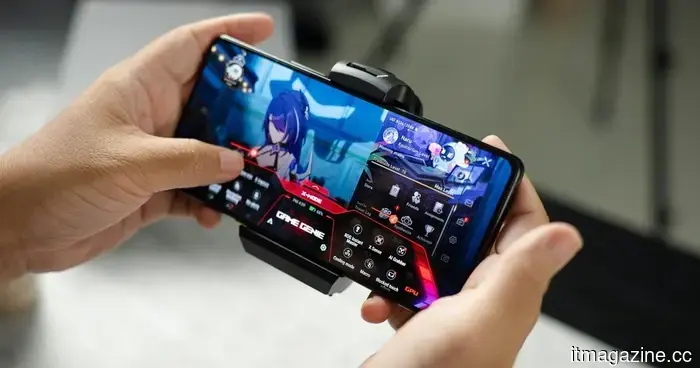 Playing against AI might boost your confidence when teaming up with real players.
According to recent research, AI opponents in gaming have enhanced player confidence, raised playtime by 50 percent, and motivated more individuals to collaborate with friends.
Playing against AI might boost your confidence when teaming up with real players.
According to recent research, AI opponents in gaming have enhanced player confidence, raised playtime by 50 percent, and motivated more individuals to collaborate with friends.
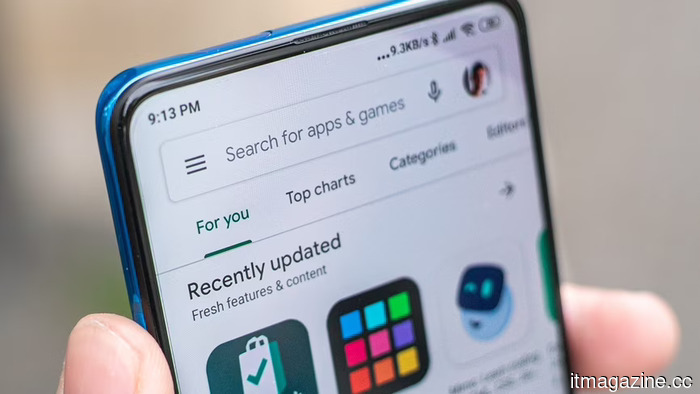 Google Play will allow third-party app stores starting on July 22.
Starting July 22, Google will include third-party app stores within Google Play in the US, following the decision of Google and Epic to abandon their efforts to modify the court ruling.
Google Play will allow third-party app stores starting on July 22.
Starting July 22, Google will include third-party app stores within Google Play in the US, following the decision of Google and Epic to abandon their efforts to modify the court ruling.
 This Game of the Year, exclusive to PS5, is now available on PC... in a way.
Astro Bot has entered an initial boot phase via the experimental SharpEmu PS5 emulator, indicating encouraging advancements, even though it currently does not provide any form of playable gameplay.
This Game of the Year, exclusive to PS5, is now available on PC... in a way.
Astro Bot has entered an initial boot phase via the experimental SharpEmu PS5 emulator, indicating encouraging advancements, even though it currently does not provide any form of playable gameplay.
This intelligent ring offers a blood pressure claim that neither Apple nor Oura has yet provided.
The $399 Signal Ring claims to provide cuff-free systolic and diastolic measurements without the need for calibration. However, the absence of FDA approval and the lack of published clinical data suggest that retaining the traditional arm cuff is the more prudent choice.