
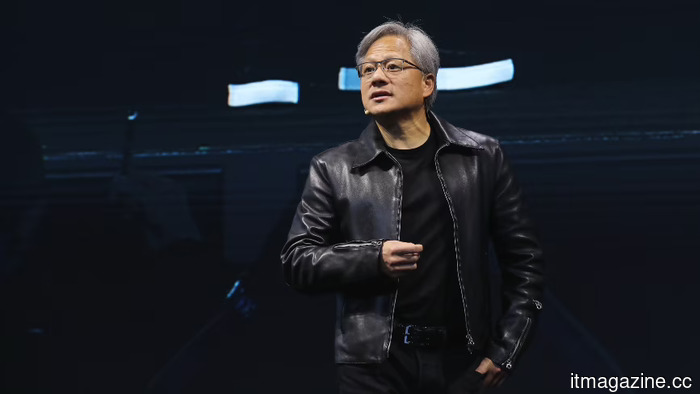
Nokia and Nvidia introduce the inaugural commercial AI-RAN.
The companies driving the AI boom are now seeking involvement in the mobile network sector. Nokia has announced it has created the industry's first commercial AI-RAN platform in collaboration with Nvidia, describing it as the most significant transformation in radio technology in decades.
RAN, which stands for radio access network, refers to the equipment that connects phones to the broader network. An AI-RAN operates using AI chips rather than fixed hardware. Nokia claims that this method could enhance spectral efficiency by over 100% by 2028.
In simple terms, this means transmitting significantly more data through the same frequency channels. With spectrum being limited and expensive, doubling its capacity is a substantial assertion and a notable opportunity.
The numbers and the proposal
Nokia reports that the platform has already demonstrated more than 20% in spectral improvements. It anticipates reaching 50% by 2027 and exceeding 100% by 2028. Trials are set to commence at the end of this year, with plans for commercial rollout in 2027.
The system integrates Nokia’s anyRAN software with Nvidia’s Aerial computing platform. Network operators will not need to dismantle their existing infrastructure; they can attach an AI unit to current base stations or operate it via the cloud.
The fundamental change is in the business model. Nokia aims to offer upgrades as software subscriptions rather than requiring expensive hardware replacements. Chief executive Justin Hotard indicated that this will be the primary driver of its RAN business, as he mentioned to Bloomberg. The cost of hardware, he noted, will not be “materially” higher than current prices.
A deal supported by a $1bn investment
There is substantial financial backing for this partnership. Last October, Nvidia acquired a $1bn stake in Nokia. This collaboration's first major product has generated investor interest, leading to a roughly 90% increase in Nokia's shares this year.
Nvidia’s CEO Jensen Huang presented it in grand terms, stating that the radio network is “the next AI infrastructure,” with the vision to transform the RAN into “a planet-scale AI computer.”
The overarching aim is to process data nearer to the user. Reduced latency is beneficial for applications such as robotics and autonomous vehicles, and it increases the presence of Nvidia chips within the network.
The larger expansion
Nvidia isn’t limiting its efforts to Nokia. At Mobile World Congress, it collaborated with Ericsson, Deutsche Telekom, T-Mobile, SK Telecom, and SoftBank to develop 6G using AI-native technology.
Nokia's competitor, Ericsson, is also upgrading, albeit with a different strategy. They chose to remain solely a mobile network supplier and did not pursue data centers. “We chose to operate in a different segment of the value chain,” stated its outgoing chief.
Why this is significant
This initiative aligns with a larger trend. Nvidia continues to integrate into various sectors connected to AI, from Japan’s robotics industry to telecommunications infrastructure, even as it has had to reduce its list of Asian buyers due to U.S. regulations.
For operators, the appeal is straightforward: handle more traffic without the need to acquire additional spectrum. Whether AI-RAN can deliver these results in practice will be determined when trials begin in 2027.
Other articles
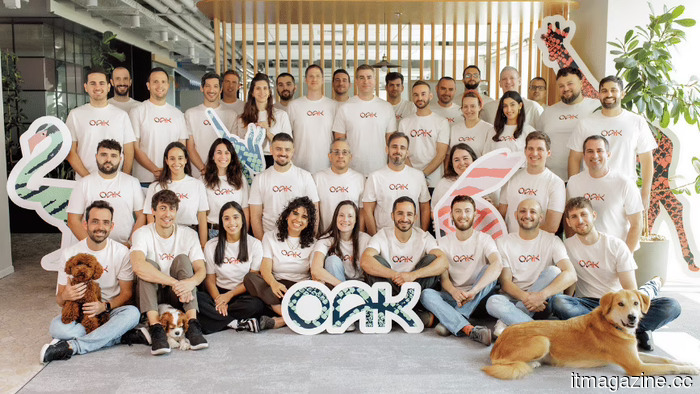 Oak secures $60 million for an AI-focused identity platform.
Israeli startup Oak has secured $60 million for an AI-native identity platform that manages all users, machines, and AI agents from a unified control interface.
Oak secures $60 million for an AI-focused identity platform.
Israeli startup Oak has secured $60 million for an AI-native identity platform that manages all users, machines, and AI agents from a unified control interface.
 As Sony ends support for PS3 games, RPCS3 has successfully archived thousands for PC.
RPCS3 is now capable of running 75% of the monitored PS3 library on PC, achieving this milestone as Sony gets ready to shut down the console's digital store and stop new physical releases.
As Sony ends support for PS3 games, RPCS3 has successfully archived thousands for PC.
RPCS3 is now capable of running 75% of the monitored PS3 library on PC, achieving this milestone as Sony gets ready to shut down the console's digital store and stop new physical releases.
 This intelligent ring offers a blood pressure claim that neither Apple nor Oura has yet provided.
The $399 Signal Ring claims to provide cuff-free systolic and diastolic measurements without the need for calibration. However, the absence of FDA approval and the lack of published clinical data suggest that retaining the traditional arm cuff is the more prudent choice.
This intelligent ring offers a blood pressure claim that neither Apple nor Oura has yet provided.
The $399 Signal Ring claims to provide cuff-free systolic and diastolic measurements without the need for calibration. However, the absence of FDA approval and the lack of published clinical data suggest that retaining the traditional arm cuff is the more prudent choice.
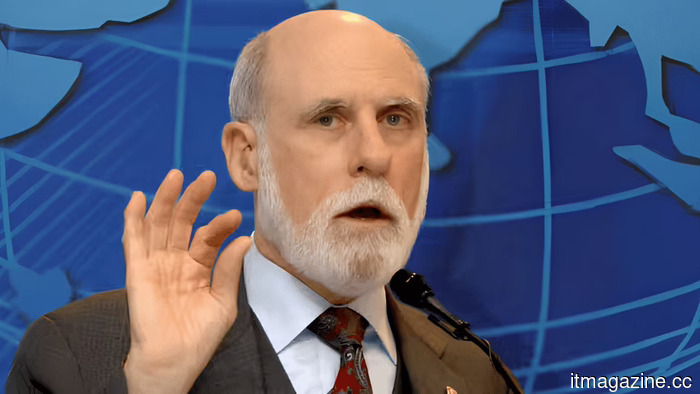 Vint Cerf aims to assign an identity to AI agents.
Vint Cerf, one of the pioneers of the internet, is participating in an initiative to create a lasting identity framework for AI agents, ensuring that the web recognizes who is responsible for them.
Vint Cerf aims to assign an identity to AI agents.
Vint Cerf, one of the pioneers of the internet, is participating in an initiative to create a lasting identity framework for AI agents, ensuring that the web recognizes who is responsible for them.
 Apple's Back to School promotion for 2026 offers savings of up to $150 on a new Mac or iPad.
Apple's Back to School promotion for 2026 offers gift cards valued up to $150, but the least expensive Mac and iPad are excluded from this offer.
Apple's Back to School promotion for 2026 offers savings of up to $150 on a new Mac or iPad.
Apple's Back to School promotion for 2026 offers gift cards valued up to $150, but the least expensive Mac and iPad are excluded from this offer.
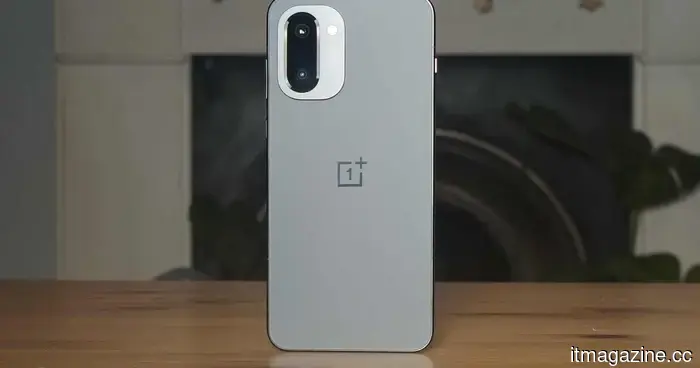 The North America and Europe division of OnePlus has officially concluded.
OnePlus has acknowledged what it had been denying for months. The company is withdrawing from North America and Europe, but existing customers will continue to receive software updates and warranty support.
The North America and Europe division of OnePlus has officially concluded.
OnePlus has acknowledged what it had been denying for months. The company is withdrawing from North America and Europe, but existing customers will continue to receive software updates and warranty support.
Nokia and Nvidia introduce the inaugural commercial AI-RAN.
Nokia and Nvidia have developed the first commercial AI-RAN platform, which is expected to double the network capacity using the current spectrum, with a launch planned for 2027.