
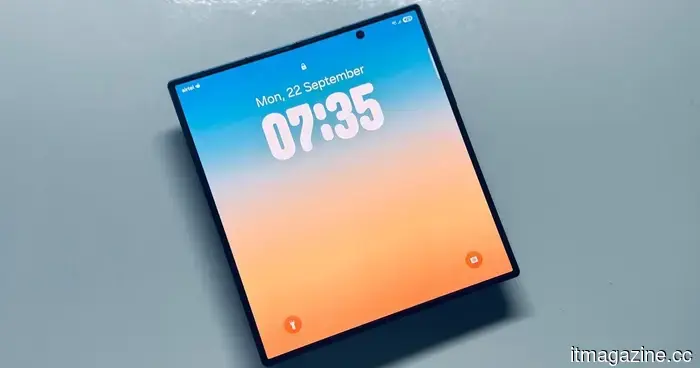
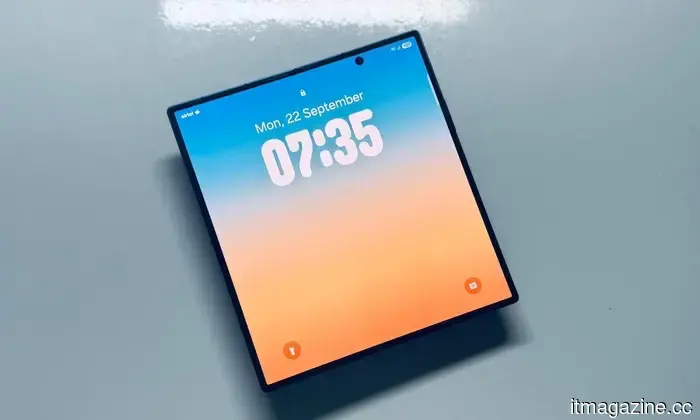
Samsung's latest Flex Titanium technology may reduce the visibility of creases in foldable devices.
Nadeem Sarwar / Digital Trends
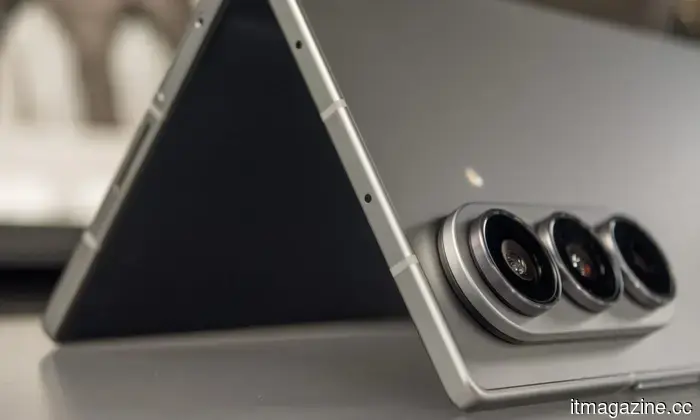
Samsung has provided us with our initial glimpse of what awaits in the next generation of Galaxy foldables, featuring titanium. The company announced its innovative Flex Titanium display technology today, which genuinely seems like a significant advancement rather than just another marketing term.
What is Flex Titanium, exactly?
Samsung's new technology integrates two titanium-based components within the foldable display: a titanium alloy film and a titanium plate. Together, they aim to address the three primary concerns that foldable users have encountered for years: a visible crease, a fragile display, and a phone that feels too bulky.
Samsung
The titanium alloy film is positioned beneath the OLED panel and is 20 times stiffer than the polymer film used in previous models. Underneath the titanium alloy film is the titanium plate, which provides support to the display module from below.
Additionally, Samsung is implementing a new hole processing technology to eliminate air gaps between the plate and the display, offering enhanced support for the screen when it is unfolded.
Why has Samsung chosen Titanium as a material?
If you're curious about Samsung's choice of titanium, the material has an impressive track record. It is sturdy enough for satellite antennas and even the wheels of Mars rovers. However, titanium is too rigid for something as fragile as a foldable screen, which presented a challenge. Samsung is utilizing a precise rolling technique to create an extremely thin layer of titanium, about one-third the width of a human hair, allowing it to be used in the ultra-slim display.
Nirave Gondhia / Digital Trends
Samsung has also highlighted improvements in display resolution and power efficiency, achieved through new organic materials and an enhanced architecture. In summary, expect a clearer screen that won’t deplete your battery as quickly.
When can we anticipate this?
Flex Titanium will make its debut with Samsung's upcoming Galaxy foldable series, with further details expected at the next Galaxy Unpacked event. If Samsung's claims hold true, we may finally see a foldable device that doesn’t compromise on usability.
Rachit is an experienced tech journalist with over a decade of experience covering the consumer technology sector.
Google has just teased a Pixel 11 feature we've been eager to see for months.
Pixel Glow appears next to the cameras in Google's first Pixel 11 teaser video.
Last week, Google confirmed that its 2026 Made by Google event is scheduled for August 12. The Pixel 11 series is anticipated to headline the announcements, alongside the fifth-generation Pixel Watch. Google has released its first video teaser in anticipation of the event, suggesting the reveal of both the Pixel 11 Pro and the anticipated Pixel Glow feature.
What information does the teaser provide?
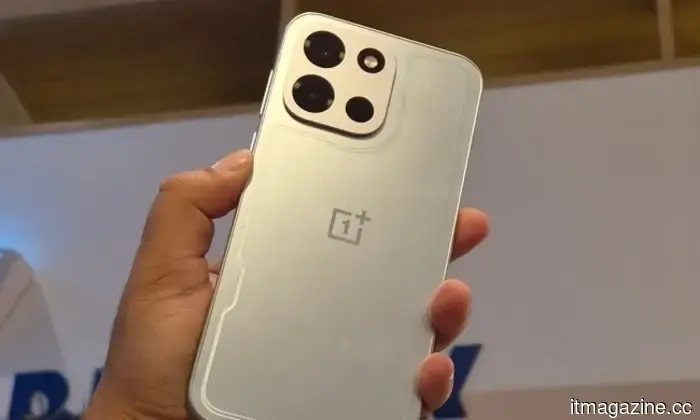
OnePlus is departing from the US, and reports indicate a potential global exit could occur by 2027.
Financial pressures and increasing component costs are prompting OnePlus to exit the US and European markets.
If you've been tracking rumors about OnePlus's exit, this news might seem familiar. Reports of OnePlus reducing its presence in the US and Europe have emerged several times in recent months, only for the company to categorically refute them. Now, Bloomberg reports that OnePlus will indeed start winding down operations in the US and Europe as soon as this week, and this time it seems credible. This decision is part of a broader restructuring at parent company Oppo, and OnePlus aims to exit other global markets, including India, by 2027, although it will continue its operations in China for the time being.
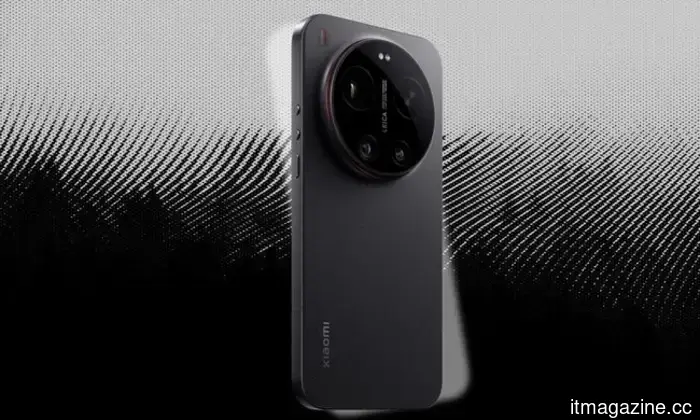
Xiaomi has overtaken Samsung to become the first non-Pixel phone to receive stable Android 17.
The stable rollout of Android 17 begins with Xiaomi's latest flagship, putting it ahead of Samsung and its competitors.
Android 17 was rolled out to Pixel phones last month, and if you were hoping to see it on your non-Pixel Android device soon, you may be disappointed. Samsung is still testing One UI 9 in public beta, and most other manufacturers have yet to announce when their custom interfaces will receive Android 17. Thus, it’s quite surprising that Xiaomi, of all companies, has jump-started the process. Xiaomi has begun updating its devices with HyperOS 3 based on stable Android 17, initially exclusive to the Xiaomi 17 series.


Other articles
 ASML intends to increase the production speed of EUV machines by 30% due to the demand for AI surpassing its current manufacturing capacity.
ASML is decreasing the EUV cycle time from 22 weeks to 15-16 weeks. The company is almost fully booked for 2027 and already has significant orders for 2028. Their guidance has been increased.
ASML intends to increase the production speed of EUV machines by 30% due to the demand for AI surpassing its current manufacturing capacity.
ASML is decreasing the EUV cycle time from 22 weeks to 15-16 weeks. The company is almost fully booked for 2027 and already has significant orders for 2028. Their guidance has been increased.
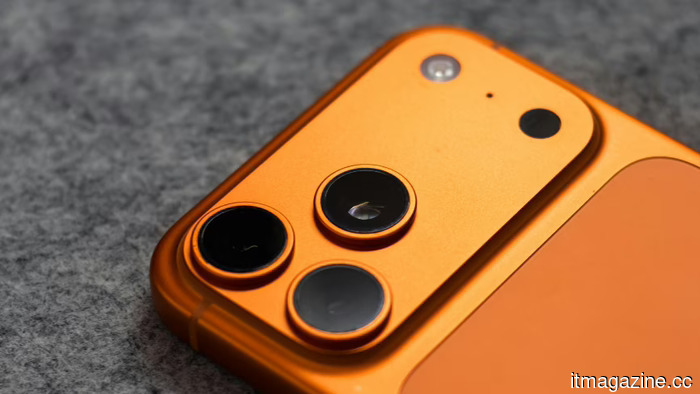 Apple is interested in PrismML's on-device AI technology for the iPhone.
Apple is in initial discussions with PrismML, which has developed on-device AI compression that reduces a 27B model to less than 4GB for operation on an iPhone. Apple has not yet provided any comments.
Apple is interested in PrismML's on-device AI technology for the iPhone.
Apple is in initial discussions with PrismML, which has developed on-device AI compression that reduces a 27B model to less than 4GB for operation on an iPhone. Apple has not yet provided any comments.
 Proposed social media curfew in the UK for older teenagers.
The social media curfew in the UK is set to disable apps overnight for those aged 16 and 17, as well as restrict endless scrolling by default, starting in spring 2027.
Proposed social media curfew in the UK for older teenagers.
The social media curfew in the UK is set to disable apps overnight for those aged 16 and 17, as well as restrict endless scrolling by default, starting in spring 2027.
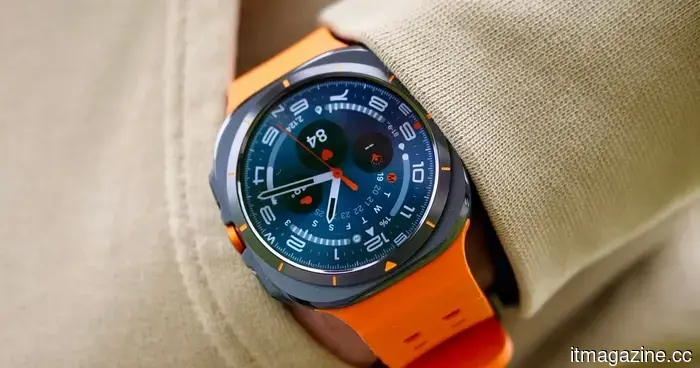 Samsung aims for its forthcoming Galaxy Watch to serve as your AI health assistant.
Samsung is hinting at its upcoming Galaxy Watch, which will serve as an AI-driven health companion, just before the Galaxy Unpacked event on July 22.
Samsung aims for its forthcoming Galaxy Watch to serve as your AI health assistant.
Samsung is hinting at its upcoming Galaxy Watch, which will serve as an AI-driven health companion, just before the Galaxy Unpacked event on July 22.
 GameNative has just simplified the process of loading PC game mods onto your Android phone to an alarming degree.
GameNative’s newest pre-release offers direct downloads and management of Nexus Mods on Android, simplifying PC game modding but urging early users to acknowledge the risks associated with unpolished software.
GameNative has just simplified the process of loading PC game mods onto your Android phone to an alarming degree.
GameNative’s newest pre-release offers direct downloads and management of Nexus Mods on Android, simplifying PC game modding but urging early users to acknowledge the risks associated with unpolished software.
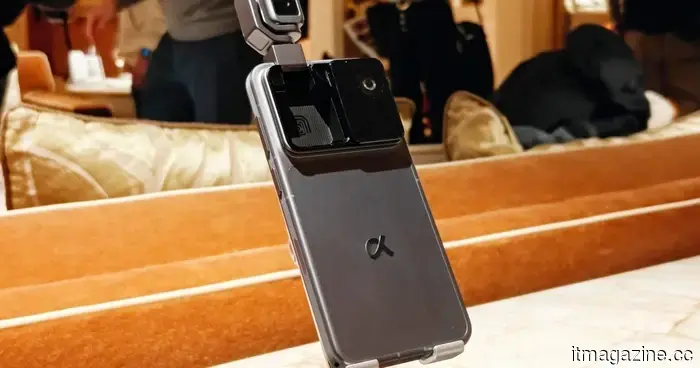 The Honor Wild Robot Phone might possess flagship specifications that support its gimmicky nature.
Honor's Robot Phone showcased the most unusual camera design of the year, and recent leaked specifications indicate that the technology surrounding that mechanical arm may be just as innovative.
The Honor Wild Robot Phone might possess flagship specifications that support its gimmicky nature.
Honor's Robot Phone showcased the most unusual camera design of the year, and recent leaked specifications indicate that the technology surrounding that mechanical arm may be just as innovative.
Samsung's latest Flex Titanium technology may reduce the visibility of creases in foldable devices.
Samsung has recently unveiled its Flex Titanium technology for upcoming foldable devices, which promises reduced creasing, enhanced durability, and a thinner display.