

Paramount has stated that it will appeal to the Supreme Court if states impede the Warner Bros merger.
Paramount plans to contest a 12-state antitrust lawsuit aimed at blocking its $110 billion acquisition of Warner Bros Discovery, stating its intention to take the issue to the Supreme Court if necessary. Despite the lawsuit filed by 12 state attorneys general claiming the deal would harm competition, Paramount Skydance is still targeting a completion date by the end of September. Jeffrey Kessler, the lead trial lawyer for Paramount, mentioned to CNBC on Tuesday that they are prepared for prolonged legal battles. The lawsuit, which was initiated by California Attorney General Rob Bonta, alleges that merging two major film distributors and basic cable channel owners would significantly reduce competition in theatrical distribution, cable programming, and the entertainment sector at large. Bonta noted that the merger would result in higher prices, diminished quality, and less content for consumers. The Justice Department's Antitrust Division had previously cleared the deal, declaring in June that it was unlikely to disrupt competition, making the state lawsuit a direct challenge to that federal assessment.
Kessler informed CNBC's David Faber that Paramount was determined to finalize the deal as early as July 22, coinciding with the expected regulatory decision from the European Union. Paramount has proposed concessions to the EU to address outstanding issues. The company offered the states two options: an immediate closure of the deal or a structured judicial timeline to resolve the case by early September, both of which were declined.
The financial stakes for Paramount are significant. Under the merger terms, if the deal hasn't concluded by September 30, Paramount will owe Warner Bros Discovery shareholders a substantial fee of approximately $650 million quarterly until the deal closes. A granted temporary restraining order would delay the transaction for up to 14 days, with the potential for two such orders before states pursue a preliminary injunction, which would halt the deal for the duration of the litigation.
Kessler argued that the merger is beneficial for competition, as the entertainment industry faces challenges due to a decline in pay TV subscriptions and increasing streaming competition. He conveyed that the merged entity would be positioned to compete with Netflix, Disney, and Amazon’s Prime Video, with CEO David Ellison committing to the release of 30 films annually, a promise that Kessler said could be put in writing.
The deal has already received approval from the DOJ and several international regulators, and Paramount is aligning its streaming technology to incorporate HBO Max post-acquisition. The ability of the state attorneys general to delay or entirely block the transaction will likely hinge on how swiftly the federal court in Sacramento acts regarding the restraining order request.
Other articles
 WhatsApp is developing its own cloud backup option for iPhone users.
WhatsApp is developing a cloud backup service for iPhone users, which will provide 2GB of free storage and default end-to-end encryption, serving as an alternative to iCloud.
WhatsApp is developing its own cloud backup option for iPhone users.
WhatsApp is developing a cloud backup service for iPhone users, which will provide 2GB of free storage and default end-to-end encryption, serving as an alternative to iCloud.
 Huawei's MatePad Air has finally been released outside of China, making the iPad Air seem less impressive by comparison.
Huawei’s MatePad Air, which was launched worldwide, features a 144Hz OLED screen, an impressive battery, and included accessories that underscore certain uncomfortable shortcomings in Apple’s iPad Air.
Huawei's MatePad Air has finally been released outside of China, making the iPad Air seem less impressive by comparison.
Huawei’s MatePad Air, which was launched worldwide, features a 144Hz OLED screen, an impressive battery, and included accessories that underscore certain uncomfortable shortcomings in Apple’s iPad Air.
 Samsung Health warns that it may remove your data if you choose to opt out of AI training.
A new consent toggle in Samsung Health presents users with a choice: consent to share private health information for AI training or risk permanent loss of all their synced data.
Samsung Health warns that it may remove your data if you choose to opt out of AI training.
A new consent toggle in Samsung Health presents users with a choice: consent to share private health information for AI training or risk permanent loss of all their synced data.
 X is instructing its AI algorithm on concepts that social networks used to grasp.
X is promoting posts among mutual followers after discovering that its algorithm lacked relationship data, highlighting the disparity between forecasting engagement and fostering meaningful conversations people truly desire.
X is instructing its AI algorithm on concepts that social networks used to grasp.
X is promoting posts among mutual followers after discovering that its algorithm lacked relationship data, highlighting the disparity between forecasting engagement and fostering meaningful conversations people truly desire.
 Grok Build was transmitting complete Git repositories to xAI's cloud, which included committed secrets.
A researcher demonstrated that Grok Build CLI transferred entire repositories, sending 27,800 times more data than necessary, to a Google Cloud bucket. xAI had claimed that no code was shared.
Grok Build was transmitting complete Git repositories to xAI's cloud, which included committed secrets.
A researcher demonstrated that Grok Build CLI transferred entire repositories, sending 27,800 times more data than necessary, to a Google Cloud bucket. xAI had claimed that no code was shared.
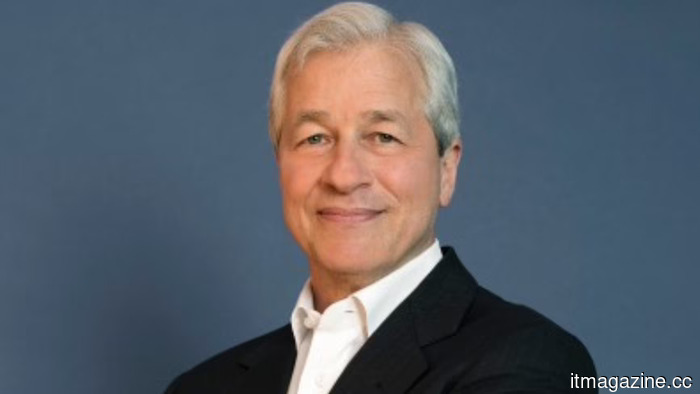 Dimon states that AI has already removed 30 to 40 percent of jobs in certain divisions of JPMorgan.
Jamie Dimon informed analysts that AI has already removed 30 to 40 percent of jobs in certain JPMorgan divisions, but competitive pressures will diminish margin improvements.
Dimon states that AI has already removed 30 to 40 percent of jobs in certain divisions of JPMorgan.
Jamie Dimon informed analysts that AI has already removed 30 to 40 percent of jobs in certain JPMorgan divisions, but competitive pressures will diminish margin improvements.
Paramount has stated that it will appeal to the Supreme Court if states impede the Warner Bros merger.
Twelve state attorneys general filed a lawsuit to prevent Paramount's $110 billion purchase of Warner Bros Discovery, but the company claims it can finalize the deal by September.