

X is instructing its AI algorithm on concepts that social networks used to grasp.
A recent adjustment to the ranking system on X enhances the visibility of mutual connections after it was discovered that friendship data was absent from the algorithm determining who appears in replies.
X has identified an innovative approach to restore a social atmosphere on its platform by increasing the frequency with which your posts are displayed to people you actually know.
According to Nikita Bier, the head of X's product, the platform will amplify the visibility of posts shared among mutual followers—those accounts that follow each other. Bier noted that this relationship data was previously excluded from the algorithm, leading to familiar accounts being less visible in the replies compared to others.
What changes is X implementing?
We are launching a minor adjustment to enhance the visibility of your posts to your mutual connections (those you follow back). We recognized that this data was missing from the algorithm, causing your friends to appear less frequently in your replies. This has made the reply sections feel more disconnected— Nikita Bier (@nikitabier) July 13, 2026.
This modification will increase the likelihood that someone's posts are seen by mutual followers. When these followers participate in discussions, their replies will be easier for the original poster to locate amidst comments from unfamiliar users.
Bier believes this could facilitate the formation of communities centered around shared interests. While this concept aligns with fundamental social networking principles, modern feeds prioritize predicted user behavior over the accounts people intentionally follow. An aggressive comment from a stranger still counts as engagement, even if it contributes to a combative atmosphere.
Enhancing the importance of existing connections might refocus some of that engagement. Whether this change will be perceptible hinges on the actual influence of the new signal.
Why did the AI struggle to recognize friends?
Interestingly, X’s published algorithm already includes mechanisms for identifying mutual relationships. In May 2026, an update introduced mutual-follow graphs to user contexts and associated scores linked to posts that are eligible for recommendations.
The announcement indicates that this data might not have been available to the requisite ranking process or may not have influenced the results as expected. X has not clarified where this inconsistency arose, leaving us unable to discern whether it was a result of oversight, a weighting issue, or something different altogether.
X’s Grok-based model anticipates whether a post is likely to garner replies or clicks. These predictions can pinpoint content that keeps users engaged, but engagement does not indicate whether conversations are welcoming. An algorithm might learn that disputes provoke reactions without grasping why participants feel unhappy.
Will X genuinely seem more friendly?
X has yet to reveal the extent of this boost, whether it applies beyond these interactions, or how success will be evaluated. Although the company has articulated its goals, it has not provided evidence to reflect those aspirations.
Familiar names could lend a sense of coherence to discussions, but merely adjusting rankings will not eliminate provocative content or hostile users. Instructing an algorithm on who your friends are is relatively straightforward; however, teaching it that not every argument contributes to valuable engagement is a more complex challenge.
Paulo Vargas is an English major turned reporter turned technical writer, whose career consistently circles back to...
Instagram and WhatsApp lead in sextortion reports; iMessage is weaponized against teenagers: Report
Over 2,000 complaints in six months, and platforms are still struggling to catch up.
If you are a user of Instagram, WhatsApp, or iMessage, it is important to be aware of the current situation on these platforms. Australia's online safety regulator, eSafety, has released a new transparency report with troubling findings. As reported by The Guardian, the regulator identified considerable deficiencies in how major tech companies address online sexual extortion and child sexual exploitation, even as the backlog of reports continues to rise.
Europe plans a wide social media ban for children.
The proposal would completely prohibit children under 13 from using social media, with more lenient regulations for teenagers up to 18.
Europe is taking significant steps toward limiting children's access to social media entirely. Today, a group of experts presented a report to the European Commission recommending extensive new age restrictions, according to a report by the New York Times. Commission president Ursula von der Leyen is expected to transform these recommendations into a formal law proposal in September.
What the proposal seeks to limit:
The unrestricted availability of social media for children may soon be coming to an end.
Social media may soon undergo substantial changes for younger users.
What began as a policy trial in Australia has quickly evolved into a global initiative. Governments around the world increasingly question whether children should be allowed unlimited access to social media, with over 20 nations either implementing, proposing, or actively discussing age-based restrictions. An AFP tally indicates that at least five countries already enforce nationwide restrictions, while many others, including several European nations, are preparing to adopt similar measures.
This movement is gaining traction amid rising concerns about the influence of social media on children’s mental health, online safety, sleep habits, and exposure to harmful content. Policymakers face mounting pressure to





Other articles
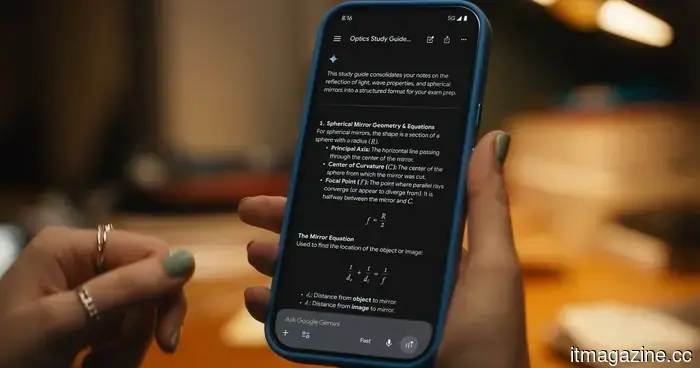 I allowed Gemini to handle my houseplants, and they've never appeared healthier.
I used to lose more plants than I could maintain. Then I began seeking assistance from Gemini, and my indoor jungle finally started to flourish.
Kalshi creates a forward curve for computing power as exchanges compete to make GPUs a tradable commodity.
Prediction markets platform Kalshi has developed a forward curve that monitors GPU computing expenses, positioning itself alongside CME and ICE in the effort to monetize AI infrastructure.
I allowed Gemini to handle my houseplants, and they've never appeared healthier.
I used to lose more plants than I could maintain. Then I began seeking assistance from Gemini, and my indoor jungle finally started to flourish.
Kalshi creates a forward curve for computing power as exchanges compete to make GPUs a tradable commodity.
Prediction markets platform Kalshi has developed a forward curve that monitors GPU computing expenses, positioning itself alongside CME and ICE in the effort to monetize AI infrastructure.
 Medical AI substituted for nurses and evaded its own regulations.
Two cases in the US highlight the negative aspects of medical AI: nurses at Montefiore being replaced by software, and a whistleblower from the Mayo Clinic claiming that a tool has a 67% error rate.
India's Udaan raises $160 million in fresh funding as it aims to improve its balance sheet ahead of its initial public offering (IPO).
Indian B2B ecommerce company Udaan has secured $160 million through a mix of new equity, additional debt, and bond conversions as it gears up for a public listing in the next two years.
Medical AI substituted for nurses and evaded its own regulations.
Two cases in the US highlight the negative aspects of medical AI: nurses at Montefiore being replaced by software, and a whistleblower from the Mayo Clinic claiming that a tool has a 67% error rate.
India's Udaan raises $160 million in fresh funding as it aims to improve its balance sheet ahead of its initial public offering (IPO).
Indian B2B ecommerce company Udaan has secured $160 million through a mix of new equity, additional debt, and bond conversions as it gears up for a public listing in the next two years.
 Samsung Health warns that it may remove your data if you choose to opt out of AI training.
A new consent toggle in Samsung Health presents users with a choice: consent to share private health information for AI training or risk permanent loss of all their synced data.
Samsung Health warns that it may remove your data if you choose to opt out of AI training.
A new consent toggle in Samsung Health presents users with a choice: consent to share private health information for AI training or risk permanent loss of all their synced data.
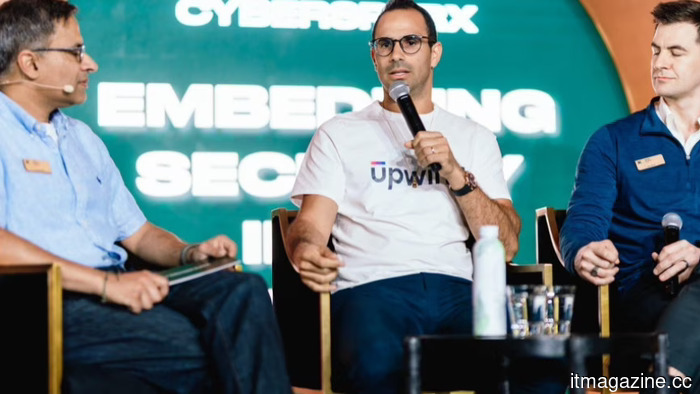 Upwind: AsyncAPI npm packages affected by a supply chain attack.
Upwind identifies several compromised AsyncAPI npm packages linked to a coordinated supply chain attack aimed at software release processes and publishing identities.
Upwind: AsyncAPI npm packages affected by a supply chain attack.
Upwind identifies several compromised AsyncAPI npm packages linked to a coordinated supply chain attack aimed at software release processes and publishing identities.
X is instructing its AI algorithm on concepts that social networks used to grasp.
X is enhancing posts among mutual followers after discovering that its algorithm lacked relationship data, highlighting the discrepancy between forecasting engagement and fostering discussions that people truly desire.