
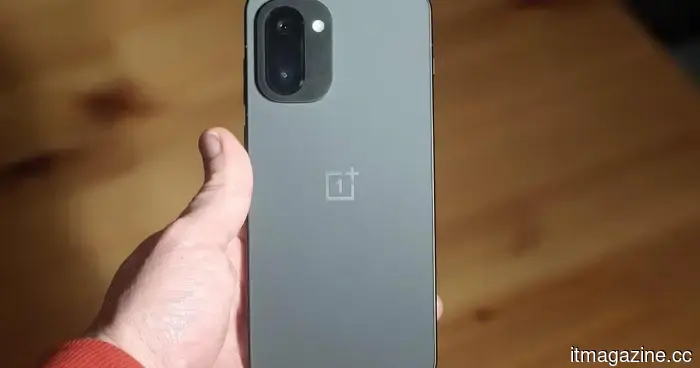
A report indicates that OnePlus will be concluding its operations in the US shortly.
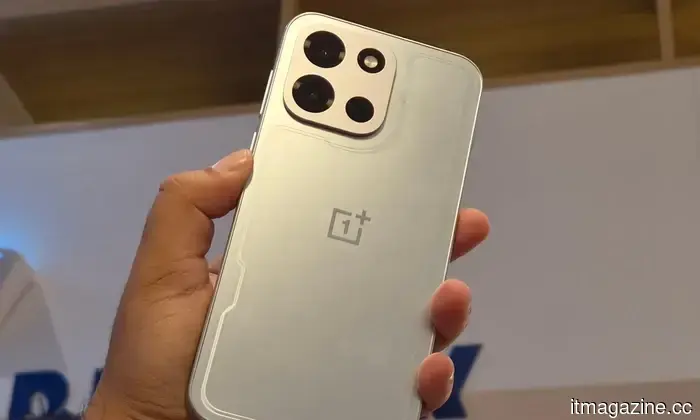
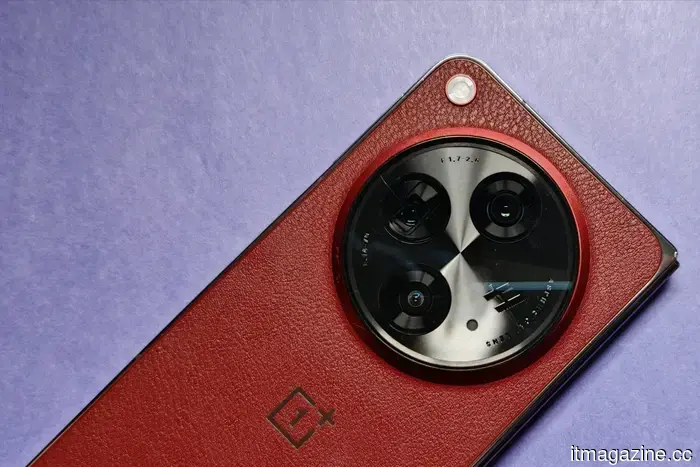
In recent months, multiple reports have surfaced suggesting that OnePlus intends to cease its operations in the US and exit the European market. OnePlus has repeatedly denied these claims, asserting that the rumors regarding retail closures and executive changes are merely routine developments, rather than indications of a major operational withdrawal in these key markets. However, WinFuture now reports that the company is set to officially announce its exit from both the European and US markets this week.
"Based on information from our reliable sources, OnePlus and its parent company, Oppo, plan to unveil significant strategic changes this week. What may seem like mere marketing talk is, in fact, a withdrawal from essential markets, signaling the end of OnePlus as we know it," the report states. It further mentions that all remaining OnePlus device inventory is being sold off, and once it's depleted, there will be no restocking. Nearly all stock in OnePlus’s European stores has already been cleared.
What comes next?
Despite officially withdrawing from the US and European markets, OnePlus will still uphold its commitment to software updates and hardware warranties for devices already sold in those regions, provided they go through with the exit. A positive aspect is that parent company Oppo is in a stronger position to meet these after-sales commitments, as it plans to remain and expand within the EU market.
“In recent statements to the media, OnePlus and Oppo clarified that while they will continue support and updates for existing devices until the end of their lifecycles, they have no plans to launch new OnePlus products in Europe and the USA,” the report adds.
But what’s the reason?
OnePlus's retreat from the US and European markets can be linked to several factors, although there has been no official confirmation detailing the reasoning. Recently, Oppo announced a consolidation of supply chain and manufacturing resources for both OnePlus and Oppo devices, accompanied by some executive reshuffling. Reports also indicate that the long-standing OxygenOS software skin will be discontinued in favor of the ColorOS experience found on Oppo smartphones.
Some speculate that Oppo is simply streamlining its resources and scaling back its smartphone strategy in markets where it does not hold a significant position against larger competitors like Samsung and Apple. The current state of the industry poses additional challenges for OnePlus, which has distinguished itself by offering high-quality hardware at more competitive prices compared to established rivals. Notably, OnePlus was the original brand to popularize the "flagship killer" strategy by providing high-performance phones at lower price points than leading brands like Samsung and Apple.
However, in recent months, the smartphone market has faced intense pricing pressure, particularly due to increasing costs for memory and storage components driven by demand from the AI sector, leading to higher prices overall. Budget smartphones are becoming increasingly scarce, and even Apple has had to raise prices for its devices. Analysts predict that the price of the iPhone 18 Pro could increase by as much as $300 later this year.
In such a market environment, maintaining the strategy that helped OnePlus stand out is becoming increasingly challenging. At this point, there remains uncertainty about the future direction, raising questions about whether this is merely another rumor. Regardless, the outlook appears grim for any brand that isn’t Samsung or Apple, given their significant influence over the supply chain and strong control over assembly and production processes, which allows them to manage the rising costs of components.
Other articles
 Twelve states file a lawsuit to prevent the $110 billion deal between Paramount and Warner.
The Department of Justice approved Paramount's acquisition of Warner Bros. Discovery unconditionally. However, twelve states argue that it infringes upon the Clayton Act.
Twelve states file a lawsuit to prevent the $110 billion deal between Paramount and Warner.
The Department of Justice approved Paramount's acquisition of Warner Bros. Discovery unconditionally. However, twelve states argue that it infringes upon the Clayton Act.
 A report indicates that Instagram and WhatsApp have the highest number of sextortion reports, while iMessage is being used as a tool against adolescents.
Australia's online safety regulator reports that Instagram and WhatsApp lead in sextortion complaints, while teenagers are being targeted via iMessage and Snapchat.
A report indicates that Instagram and WhatsApp have the highest number of sextortion reports, while iMessage is being used as a tool against adolescents.
Australia's online safety regulator reports that Instagram and WhatsApp lead in sextortion complaints, while teenagers are being targeted via iMessage and Snapchat.
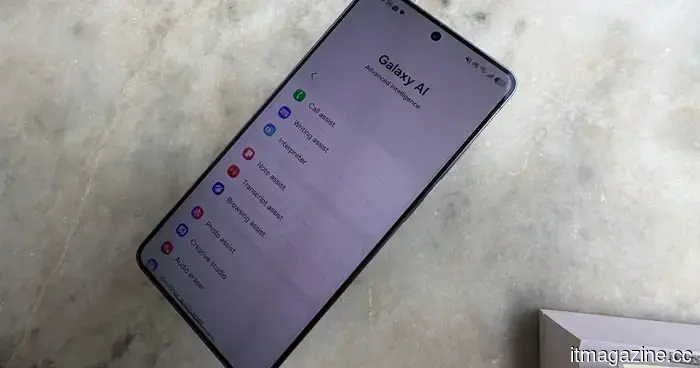 The prominent Privacy Display feature of the Samsung Galaxy S26 Ultra might come with an undesirable red drawback.
Samsung is looking into reports of reddish spots appearing on certain Galaxy S26 Ultra screens, with the atypical Privacy Display panel being a potential reason.
The prominent Privacy Display feature of the Samsung Galaxy S26 Ultra might come with an undesirable red drawback.
Samsung is looking into reports of reddish spots appearing on certain Galaxy S26 Ultra screens, with the atypical Privacy Display panel being a potential reason.
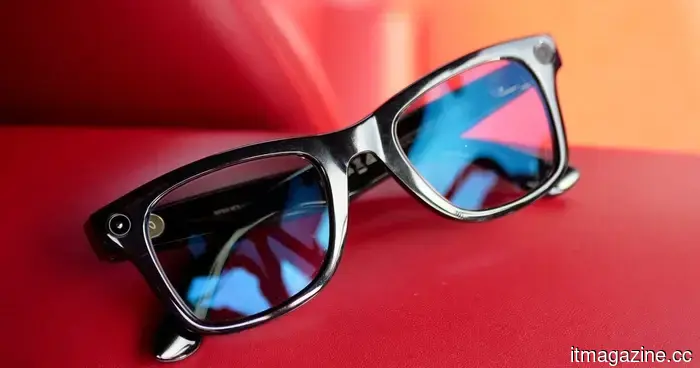 Apple is reluctant to share this AirPods feature with Meta, but the EU might compel it to do so.
Apple is developing AirPods-style pairing for Meta devices in response to EU pressure, utilizing AccessorySetupKit and Proximity Pairing. The goal is to have it ready by spring 2027.
Apple is reluctant to share this AirPods feature with Meta, but the EU might compel it to do so.
Apple is developing AirPods-style pairing for Meta devices in response to EU pressure, utilizing AccessorySetupKit and Proximity Pairing. The goal is to have it ready by spring 2027.
 Intel invests 5 billion euros in its facility in Ireland.
Intel is investing 5 billion euros to expand Fab 34 in Leixlip for data-center processors. This investment represents one-third of its capital expenditures for 2026 and is a unique EUV site in Europe.
Intel invests 5 billion euros in its facility in Ireland.
Intel is investing 5 billion euros to expand Fab 34 in Leixlip for data-center processors. This investment represents one-third of its capital expenditures for 2026 and is a unique EUV site in Europe.
 Europe is considering a comprehensive ban on social media for minors.
An expert panel has advised that the European Union should prohibit children under the age of 13 from accessing social media, while suggesting more flexible regulations for teenagers up to 18.
Europe is considering a comprehensive ban on social media for minors.
An expert panel has advised that the European Union should prohibit children under the age of 13 from accessing social media, while suggesting more flexible regulations for teenagers up to 18.
A report indicates that OnePlus will be concluding its operations in the US shortly.
A report states that OnePlus plans to officially announce its departure from the US and EU markets in a week, while its parent company, Oppo, will step in and expand, particularly in the European market.