
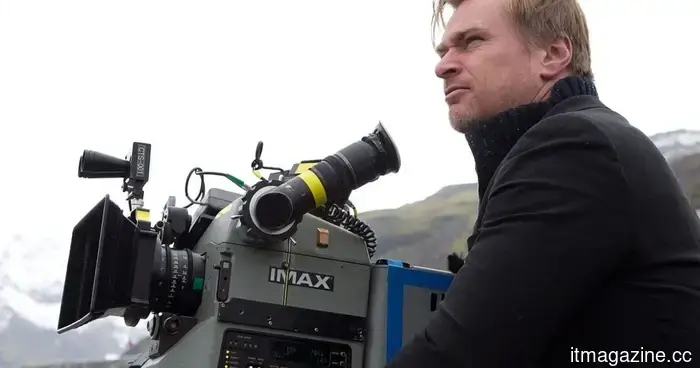
Christopher Nolan's perspective on smartphones is unexpectedly pragmatic.
Christopher Nolan has dedicated his career to adopting innovative filmmaking technology while avoiding one of the most ubiquitous devices today: the smartphone. The Oscar-winning director known for Oppenheimer, Inception, and the soon-to-be-released The Odyssey explains that his choice is not a total rejection of technology. Instead, it's about safeguarding something he views as increasingly scarce—time for contemplation.
In a recent interview with The Telegraph prior to The Odyssey's premiere, Nolan revealed that he still does not own a smartphone, even as QR codes, digital tickets, and messaging apps have become everyday essentials. His rationale, however, is more practical than philosophical.
Nolan doesn’t fear the technology itself; rather, he perceives smartphones as a distraction that erodes the quiet moments which inspire his creativity. Those brief pauses while waiting for a train, lounging in an airport, or arriving early for dinner are when many instinctively reach for their phones. For Nolan, those are the moments when he solves problems, crafts scenes, and determines the next steps in his films. The Telegraph was the first to highlight his remarks.
Nolan doesn't dislike technology—he simply chooses not to let it disrupt his thinking.
Given his reputation for advocating practical filmmaking, many presume he is opposed to technology. However, the truth is more complex. His latest film, The Odyssey, utilizes vast amounts of visual effects alongside extensive practical filmmaking techniques, animatronics, puppetry, and in-camera methods. Nolan has consistently maintained that technology should enhance storytelling rather than replace it, a viewpoint that is evident in his work. During the interview, he also discussed the industry's increasing interest in generative AI, noting that younger audiences have surprisingly been quick to reject what he calls obvious “AI slop.” He pointed out that his own children can easily identify low-quality AI-generated content, having grown up in a digital environment.
This viewpoint extends beyond filmmaking. Nolan acknowledges that he intentionally avoids smartphones because he knows he would become “horribly addicted” to constantly searching for information. Instead of consistently digesting data, he prefers to let ideas develop organically during his downtime. Ironically, he mentions that the only technology challenging his resolve has been the resurgence of QR codes since the pandemic, making life without a smartphone increasingly cumbersome.
A filmmaker who still treasures uninterrupted experiences
Nolan's philosophy also influences how he thinks audiences should engage with films. He praised filmmaker Quentin Tarantino’s Vista Theatre in Los Angeles, where patrons are expected to exit the auditorium if they need to check their phones or smartwatches. Nolan described this as a “wonderful rule,” noting that the cinema even transmits the movie’s audio to the restrooms so that viewers don’t miss crucial scenes while stepping out.
His remarks come at a time when smartphones occupy nearly every brief moment of contemporary life. Research has consistently linked excessive phone use to diminished attention spans and heightened digital distractions, while growing movements advocating for “digital detoxes” are gaining popularity. Nolan doesn’t argue that smartphones are inherently harmful—he simply believes they are too effective at grabbing our attention.
Jakub Zerdzicki / Pexels
This philosophy also accounts for why he seldom addresses online rumors or social media speculation regarding his films. Free from a smartphone perpetually vying for his attention, Nolan finds satisfaction in letting the noise fade away while concentrating on his work.
For someone renowned for creating films about memory, time, and perception, perhaps Christopher Nolan’s most significant productivity strategy isn’t a new app or AI assistant—it’s preserving those empty moments that most of us ceased to value years ago.
Other articles
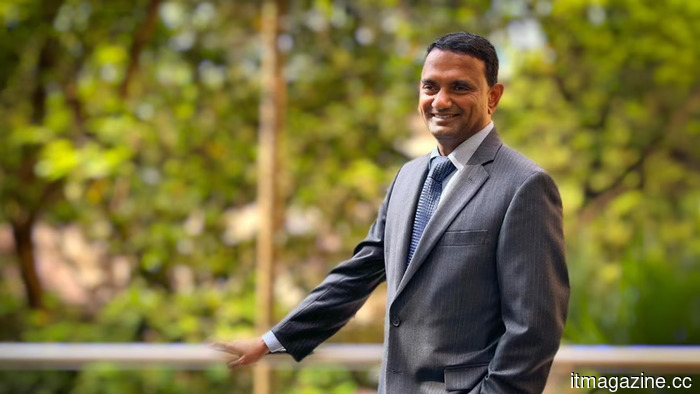 TCS is investing in 8,900 AI deployment engineers to safeguard India's IT services model.
India's largest IT services company aims to transform 1% to 1.5% of its workforce into forward-deployed AI engineers and is actively seeking opportunities in AI and cybersecurity.
TCS is investing in 8,900 AI deployment engineers to safeguard India's IT services model.
India's largest IT services company aims to transform 1% to 1.5% of its workforce into forward-deployed AI engineers and is actively seeking opportunities in AI and cybersecurity.
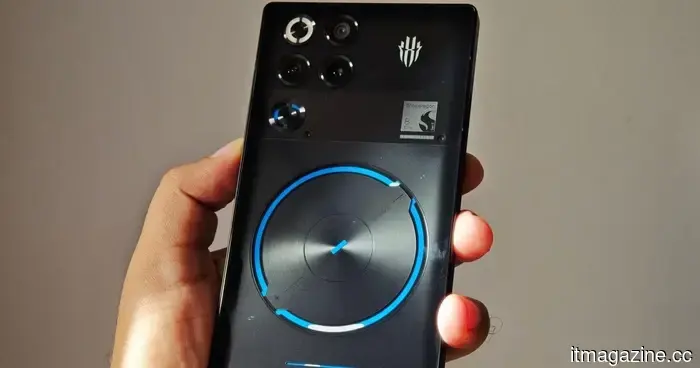 I used to own a liquid-cooled gaming phone, and it hardly ever disappointed me in my daily routine.
The Red Magic 11S Pro is capable of handling resource-intensive PC games, but its battery life, display quality, charging speed, and overall daily dependability are equally important beyond gaming.
I used to own a liquid-cooled gaming phone, and it hardly ever disappointed me in my daily routine.
The Red Magic 11S Pro is capable of handling resource-intensive PC games, but its battery life, display quality, charging speed, and overall daily dependability are equally important beyond gaming.
 The era of unrestricted social media access for children might be nearing its conclusion.
Countries around the globe are implementing or contemplating restrictions on social media for children, driven by growing worries about mental health, online safety, and addictive algorithms that are transforming digital policy.
The era of unrestricted social media access for children might be nearing its conclusion.
Countries around the globe are implementing or contemplating restrictions on social media for children, driven by growing worries about mental health, online safety, and addictive algorithms that are transforming digital policy.
 Fraudsters are currently replicating reputable news websites to con you out of your money.
Cybercriminals are replicating reputable news websites with AI-generated material to advance fraudulent investment schemes, complicating the task of telling real journalism apart from scams.
Fraudsters are currently replicating reputable news websites to con you out of your money.
Cybercriminals are replicating reputable news websites with AI-generated material to advance fraudulent investment schemes, complicating the task of telling real journalism apart from scams.
 Samsung advances the timeline for its first Yongin chip facility to 2029.
Samsung is accelerating the opening of its first fab in the Yongin cluster to 2029, which is one to two years ahead of schedule, due to the growing demand for AI chips influencing Korea's construction timeline.
Samsung advances the timeline for its first Yongin chip facility to 2029.
Samsung is accelerating the opening of its first fab in the Yongin cluster to 2029, which is one to two years ahead of schedule, due to the growing demand for AI chips influencing Korea's construction timeline.
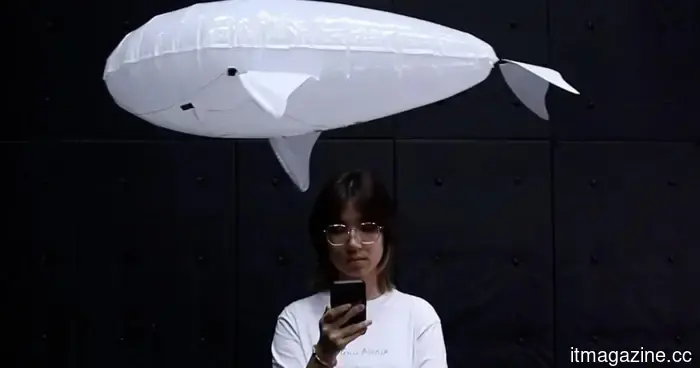 This hovering AI robot appears to have emerged from a Studio Ghibli movie, and that’s precisely the intention.
Researchers have introduced a floating AI robot influenced by Studio Ghibli that moves quietly through the air, presenting a safer and more welcoming concept for future AI companions.
This hovering AI robot appears to have emerged from a Studio Ghibli movie, and that’s precisely the intention.
Researchers have introduced a floating AI robot influenced by Studio Ghibli that moves quietly through the air, presenting a safer and more welcoming concept for future AI companions.
Christopher Nolan's perspective on smartphones is unexpectedly pragmatic.
Christopher Nolan states that steering clear of smartphones helps safeguard the quiet moments in which his best ideas arise, even though living without one has become more and more impractical.