
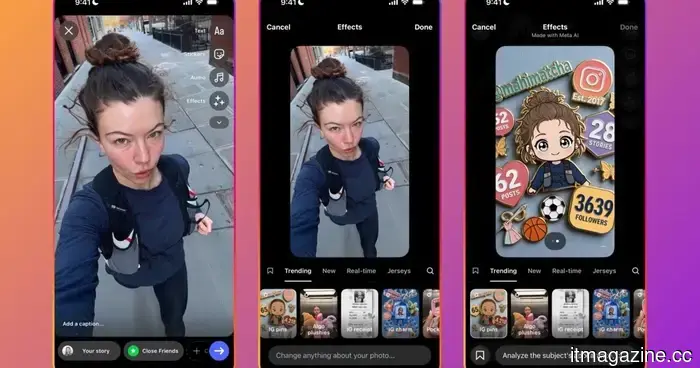
Meta has just removed its most contentious AI image generation feature only days after its debut.
Meta is presenting this as “hearing feedback” rather than addressing a consent issue.
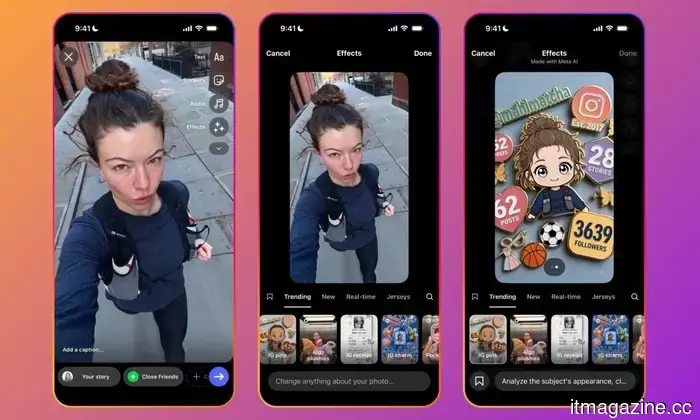
Recently, I reported on Meta’s introduction of the Muse Image, an AI tool that allows users to create images based on an Instagram profile without obtaining consent from the account owner.
I also pointed out the potential risks associated with it in another article, which included steps to opt out. Just three days later, the feature was removed.
Statement from Meta: Earlier this week, we shared that one method for generating images in Meta AI involves @-mentioning public Instagram accounts that users wish to reference. Our goal was to create a valuable creative tool and to grant individuals the ability to control whether their…— Dylan Byers (@DylanByers) July 10, 2026
What transpired here?
As awareness grew concerning Meta’s Muse Image and its assumption that individuals were comfortable with their Instagram pictures being referenced for AI image generation, the tool faced significant criticism.
While opt-out options were available for users wishing to safeguard their likeness, the default setting was enabled. This meant that millions of public Instagram users were automatically included in a system capable of creating AI images of them without any explicit consent.
However, in a statement to Puck News' Dylan Byers, Meta conceded that the feature “missed the mark” and is therefore “no longer available.”
What did Meta say about it?
“Earlier this week, we announced that one way for people to generate images in Meta AI is by @-mentioning public Instagram accounts that they want to reference,” Meta conveyed to the outlet.
“Our intent was to provide a useful creative tool and give individuals control over whether their public content could be referenced in this manner. We have received feedback indicating that this feature missed the mark, so it’s no longer available.”
Byers notes that the strong opposition from talent agencies, particularly CAA, one of the largest in the entertainment sector, may have significantly influenced the decision to retract the feature.
While I believe it would have been more appropriate to set it off by default for all Instagram accounts and allow users to opt in if they wished, the feature is now gone, and I suspect it won't return.
For over five years, Shikhar has adeptly clarified advancements in consumer technology and disseminated them…
Your YouTube playlists can now evolve into actual TV shows, but there’s a caveat you should be aware of.
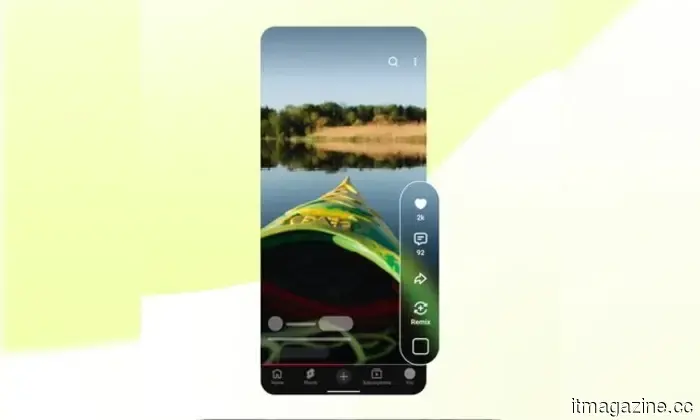
YouTube has provided creators in its Partner Program with an episodic structure similar to what Netflix has employed to maintain viewer engagement over the years.
YouTube has equipped its creators with a capability that streaming platforms have long enjoyed: the ability to format content as traditional episodic television.
If you are part of the YouTube Partner Program and have been organizing your videos into playlists in hopes that the algorithm and your audience take note, then Shows is the enhancement you’ve been anticipating.
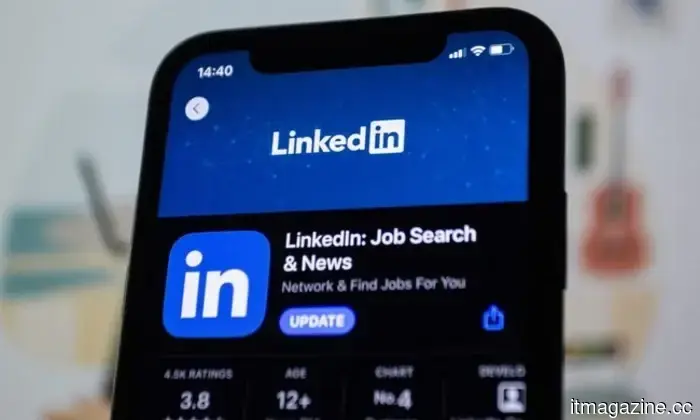
I was aware that LinkedIn was inundated with AI-generated content. A startling report reveals that the issue is even more severe than initially thought.
I already suspected that LinkedIn was saturated with AI-generated posts, recycled leadership advice, and those dreadful entrepreneurial lessons. A recent report indicates that the condition is significantly worse than what the platform’s feed suggests.
AI-detection firm Pangram examined over one million posts scanned through its Chrome extension on LinkedIn, X, Reddit, Medium, and Substack. LinkedIn comprised roughly one-third of the total scans but accounted for 62% of all content flagged by Pangram as AI-generated.
Your phone isn’t poisoning your water, but influencers have uncovered a $50 solution nonetheless.
EMF straws are being promoted as a form of wellness protection from everyday electronic devices, despite limited evidence supporting their effectiveness.
If you’ve ever wondered whether your phone is making your water hazardous, wellness influencers have a new remedy—a curved stainless steel straw selling for around $50.
Dubbed an “EMF straw” or “frequency straw,” this accessory is gaining traction on Instagram and TikTok, according to WIRED. Influencers assert that it can shield users from electromagnetic frequencies, with some claiming it can enhance energy, bolster immunity, or improve overall wellness.



Other articles
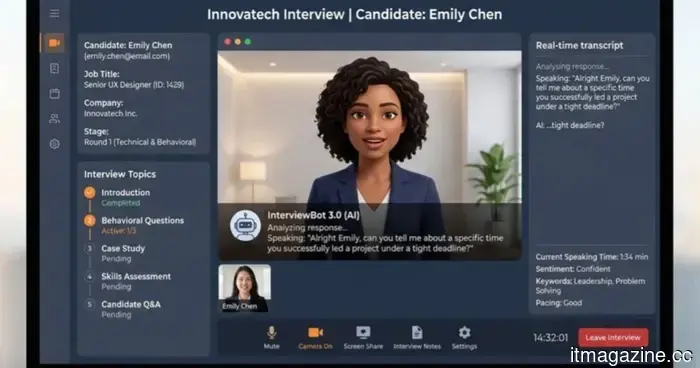 The appearance of an AI interviewer might be just as important as the choices it makes.
Candidates responded variably to the same AI hiring rejections based on the race and gender of the avatar, indicating that issues of fairness can originate from interface design even before the algorithm is reviewed.
The appearance of an AI interviewer might be just as important as the choices it makes.
Candidates responded variably to the same AI hiring rejections based on the race and gender of the avatar, indicating that issues of fairness can originate from interface design even before the algorithm is reviewed.
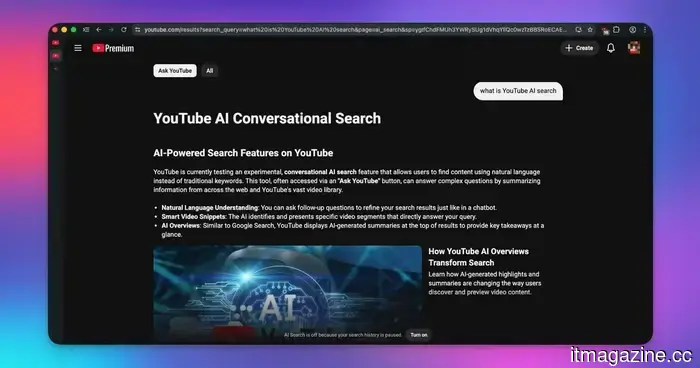 YouTube's AI-driven search is being launched in the US, allowing users to discover videos by describing specific situations.
U.S. users can now pose conversational questions on YouTube to search for videos related to specific situations, ideas, and activities.
YouTube's AI-driven search is being launched in the US, allowing users to discover videos by describing specific situations.
U.S. users can now pose conversational questions on YouTube to search for videos related to specific situations, ideas, and activities.
 Google might finally move away from Samsung’s modem in the Pixel 11, and the Tensor G6 could be an improvement as a result.
The FCC documentation for Google’s Pixel 11 includes a reference to MediaTek, indicating that the Tensor G6 might move away from Samsung’s Exynos modem in an effort to enhance battery efficiency and improve daily connectivity.
Google might finally move away from Samsung’s modem in the Pixel 11, and the Tensor G6 could be an improvement as a result.
The FCC documentation for Google’s Pixel 11 includes a reference to MediaTek, indicating that the Tensor G6 might move away from Samsung’s Exynos modem in an effort to enhance battery efficiency and improve daily connectivity.
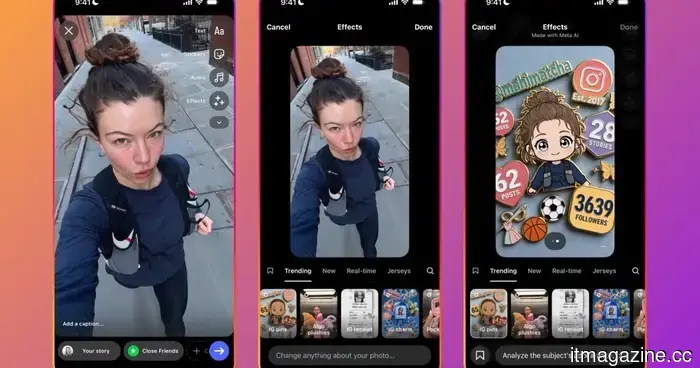 Meta has just removed its most contentious AI image generation feature only days after it was released.
Meta introduced a feature that allowed anyone to create AI images of public Instagram users who were automatically opted in but later retracted it.
Meta has just removed its most contentious AI image generation feature only days after it was released.
Meta introduced a feature that allowed anyone to create AI images of public Instagram users who were automatically opted in but later retracted it.
Meta has just removed its most contentious AI image generation feature only days after its debut.
Meta introduced a feature that allowed users to create AI images of public Instagram accounts, with the opt-in setting enabled by default, but then decided to retract it.