
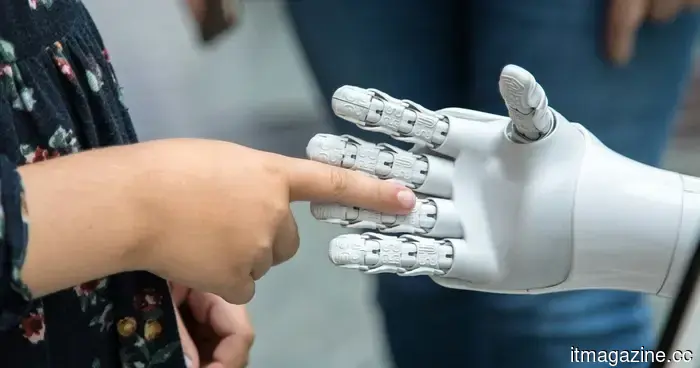
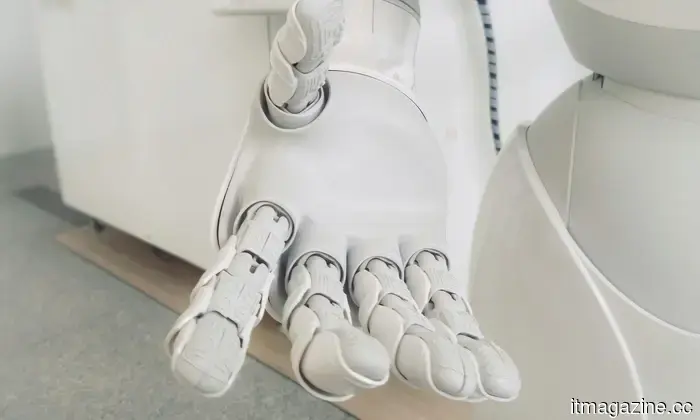
Robots can now ‘perceive’ touch due to an innovative color-changing tactile sensor.
Researchers have created a tactile sensor that changes color in response to pressure, transforming it into visible data.
Although robots excel in sight, their ability to sense touch remains a significant challenge. Humans can instinctively gauge their grip on objects like coffee mugs or buttons, while robots usually depend on intricate arrangements of small sensors for similar estimations. However, researchers at Queen Mary University of London believe they have discovered a more straightforward method: making touch perceptible.
A sensor that converts touch into colors
According to a study published in Science Advances, this innovative tactile sensor alters its coloration with the application of pressure, enabling an ordinary camera to capture how an object is being touched in real time.
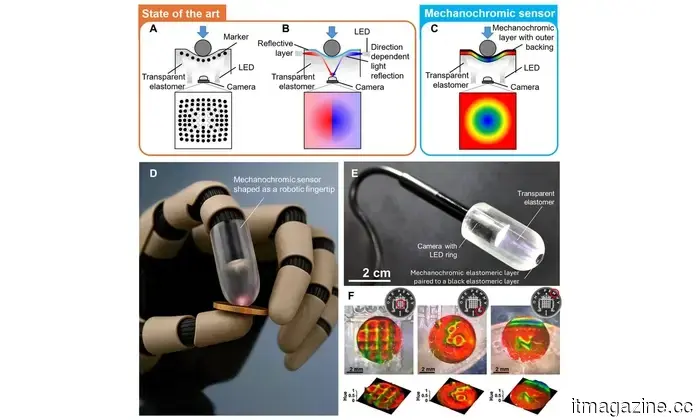
Mechanochromic tactile sensing: Comparison with advanced vision-based sensing strategies and an example of application in a robotic finger. Sasso, G., Pagani, A., Duncan, A. M., Pedrizzetti, G., Pugno, N., C. Busfield, J. J., & Carpi, F. (2026) / Science Advances
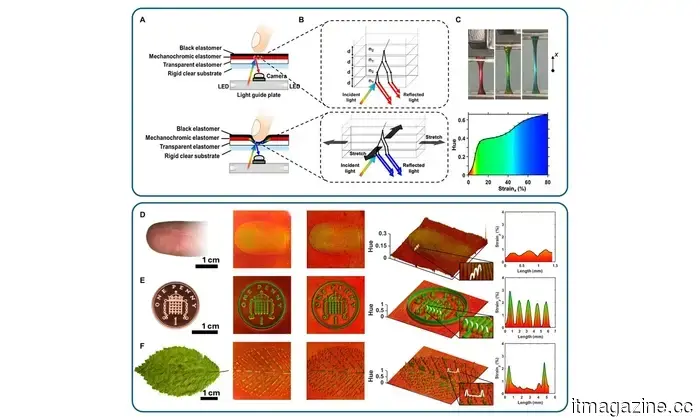
Instead of incorporating thousands of electronic pressure sensors into a robotic finger, the new technology integrates the sensing directly into the material itself. When the soft surface is pressed, it generates vibrant color patterns that instantly indicate where pressure is applied, the amount of force exerted, and how the material deforms.
High-resolution real-time mechanochromic tactile sensors. Sasso, G., Pagani, A., Duncan, A. M., Pedrizzetti, G., Pugno, N., C. Busfield, J. J., & Carpi, F. (2026) / Science Advances
The key innovation here is that these colors can be captured with a standard low-cost USB camera. This advancement means robots do not require complicated software to interpret touch from sensor data. Instead, they can simply “observe” the color patterns and quickly understand their tactile sensations. Researchers assert that this method creates detailed pressure maps while significantly streamlining the overall hardware.
Why this is significant beyond the lab
The implications extend far beyond enhancing robots’ tactile capabilities. Researchers suggest that this technology could assist factory robots in assembling small components with greater precision, provide more natural-feeling prosthetic limbs, and even enable surgical robots to differentiate between healthy and abnormal tissues during intricate procedures.
Franck V. / Unsplash
More crucially, the new sensor may address one of the significant challenges in robotics. Traditional tactile systems often compel engineers to choose between speed and accuracy. By directly converting pressure into visible color patterns that a simple camera can read, this new method achieves both, enabling robots to “perceive” touch in real time without relying on complex computations.

Other articles
 The Australian government cautions physicians regarding the use of AI scribing tools due to increasing concerns about privacy and safety.
Australia is assessing the use of AI medical scribes as regulators express worries regarding patient privacy, consent, data security, and insufficient supervision in clinical environments.
The Australian government cautions physicians regarding the use of AI scribing tools due to increasing concerns about privacy and safety.
Australia is assessing the use of AI medical scribes as regulators express worries regarding patient privacy, consent, data security, and insufficient supervision in clinical environments.
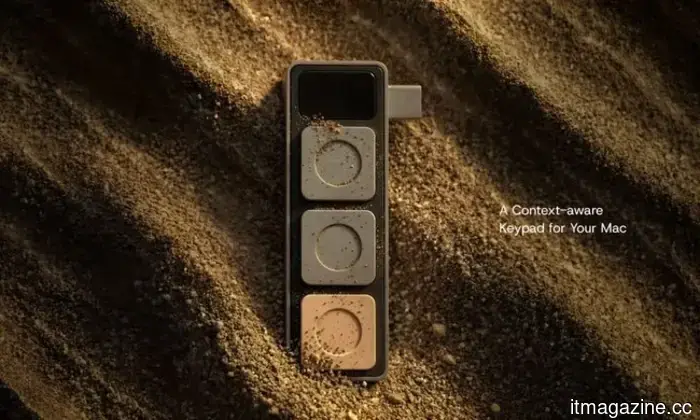
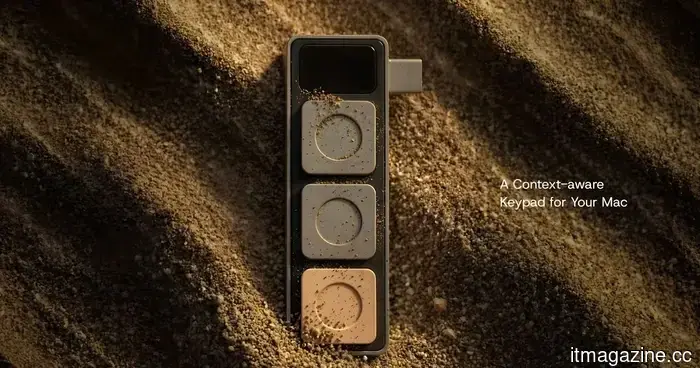 This small MacBook accessory provides customizable shortcuts for meetings and enhancing productivity.
Project Mirage has introduced Dune, a three-button accessory for MacBook that provides context-sensitive shortcuts, automation driven by AI, and rapid controls for meetings and productivity applications.
This small MacBook accessory provides customizable shortcuts for meetings and enhancing productivity.
Project Mirage has introduced Dune, a three-button accessory for MacBook that provides context-sensitive shortcuts, automation driven by AI, and rapid controls for meetings and productivity applications.
 I wish for Apple to steer the MacBook Neo clear of the AI hype and maintain its authentic character.
Apple isn't required to provide the MacBook Neo with DDR5 memory, a desktop-grade NPU, or 16GB of RAM.
I wish for Apple to steer the MacBook Neo clear of the AI hype and maintain its authentic character.
Apple isn't required to provide the MacBook Neo with DDR5 memory, a desktop-grade NPU, or 16GB of RAM.
 Alibaba receives a stay on the US lobbying prohibition.
A US judge reinstated Alibaba's access to lobbyists in Washington as they consider the constitutionality of the ban associated with the Pentagon.
Alibaba receives a stay on the US lobbying prohibition.
A US judge reinstated Alibaba's access to lobbyists in Washington as they consider the constitutionality of the ban associated with the Pentagon.
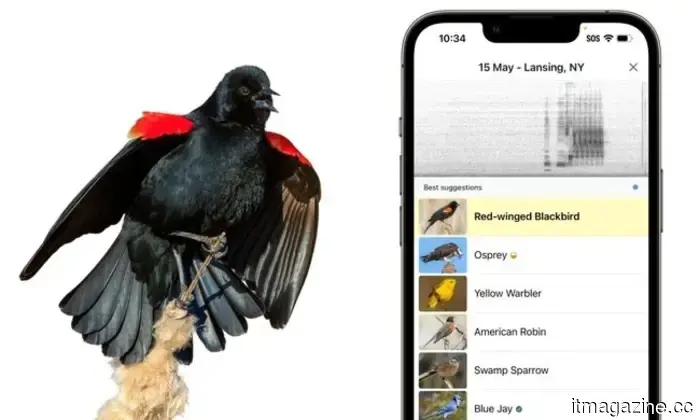
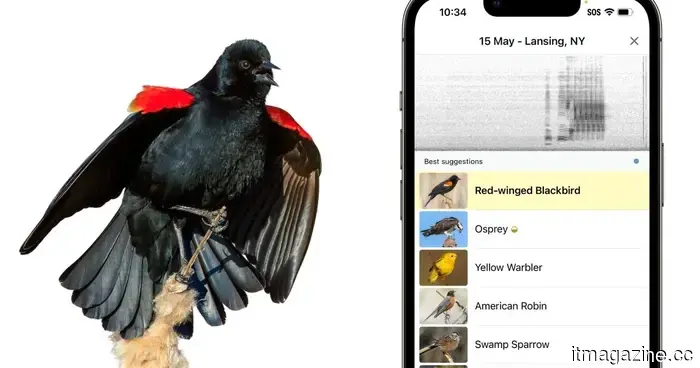 The Merlin Bird ID app is now aiming to create a worldwide database of our disappearing avian companions.
Merlin Bird ID will soon integrate AI-driven bird identifications into Cornell's eBird platform, assisting researchers in tracking bird populations through millions of actual observations.
The Merlin Bird ID app is now aiming to create a worldwide database of our disappearing avian companions.
Merlin Bird ID will soon integrate AI-driven bird identifications into Cornell's eBird platform, assisting researchers in tracking bird populations through millions of actual observations.
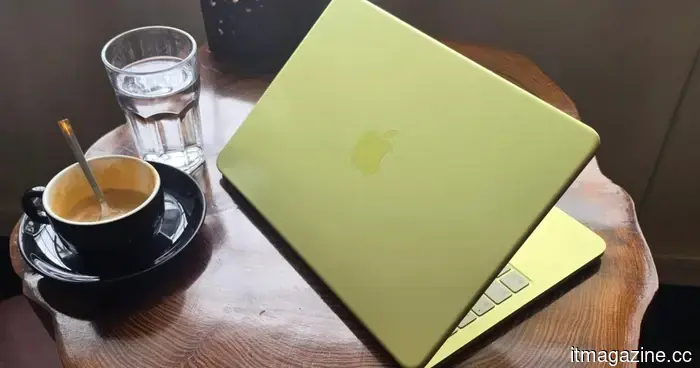 I hope Apple keeps the MacBook Neo separate from the AI hype and maintains its genuine identity.
Apple doesn't have to equip the MacBook Neo with DDR5 memory, a desktop-grade NPU, or 16GB of RAM.
I hope Apple keeps the MacBook Neo separate from the AI hype and maintains its genuine identity.
Apple doesn't have to equip the MacBook Neo with DDR5 memory, a desktop-grade NPU, or 16GB of RAM.
Robots can now ‘perceive’ touch due to an innovative color-changing tactile sensor.
Researchers have created a tactile sensor that changes color, enabling robots to visualize touch instantly, which could lead to advancements in manufacturing, prosthetics, and robotic surgery.