
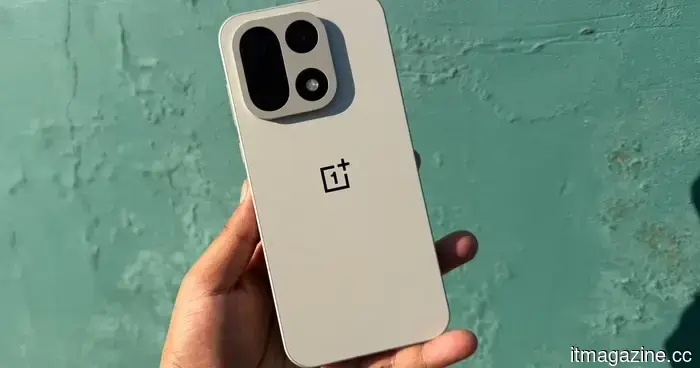
OxygenOS contributed to what made OnePlus phones unique. Now, it could potentially disappear for good.
The Android interface that set the standard for a streamlined and efficient smartphone experience is officially coming to an end. The next phase will involve ColorOS.
If you purchased a OnePlus device because of its OxygenOS, which offered a relatively clean, fast, and genuinely useful Android experience, your phone may be among the last to receive updates.
A report from the Indian website Smartprix indicates that OxygenOS and Realme UI are allegedly being discontinued. If this is accurate, both will transition to ColorOS, which is the interface used on Oppo smartphones globally across all three brands.
So what is actually transpiring?
Oppo, along with its officially owned subsidiary OnePlus and Realme, are all brands under the same Chinese corporation, BBK Electronics. Until recently, these brands functioned independently with distinct software skins, but that arrangement appears to be changing.
Maintaining three different Android skins involves considerable investment, and Oppo may be looking to streamline that. The consolidation began subtly in 2021, when OnePlus co-founder Pete Lau announced a software merger between OnePlus and Oppo.
OnePlus phased out HydrogenOS in China years ago in favor of ColorOS. Currently, only the brand's global devices are equipped with OxygenOS, while Realme UI was essentially built on ColorOS infrastructure.
"The outlet notes that OxygenOS and Realme UI are being phased out for future devices in favor of ColorOS worldwide." However, it does not specify whether existing OnePlus devices will be transitioned to ColorOS as well.
Has the merger already started?
Earlier this year, the brand reportedly withdrew from the US and European markets, with carrier partnerships in North America already dissolving. Its retail presence has significantly decreased, now featuring only the OnePlus 15 and OnePlus 15R on the official website.
Oppo, which has been integrating OnePlus operationally, has reportedly begun to cancel OnePlus's 2026 global product lineup. The shared software and hardware platforms have made the two brands virtually inseparable.
What is happening now could be among the final moves in this transition. OxygenOS has been genuinely cherished by enthusiasts, particularly among the brand's loyal customers. The discontinuation of OxygenOS would symbolize the end of one of the foundational elements upon which OnePlus was established, should the brand make an official announcement.
For more than five years, Shikhar has continually simplified advancements in consumer technology and shared them…
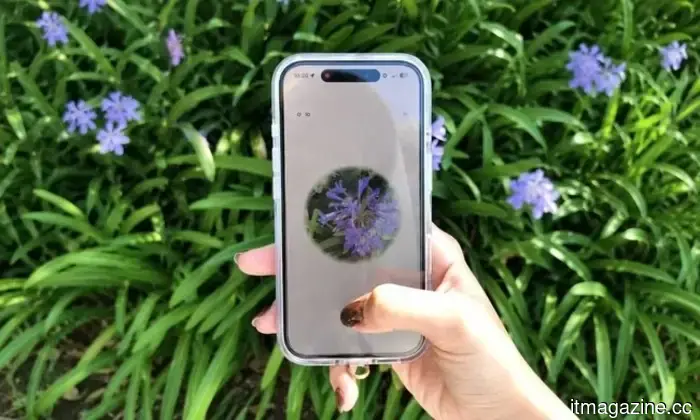
A new flower identification application aims to transform everyday walks into a Pokémon Go-like experience for plants. Flormie allows iPhone users to scan flowers, save them as collectibles, and create a calmer type of real-world collection game. This app turns ordinary strolls into relaxed nature explorations, without the need for battle mechanics.
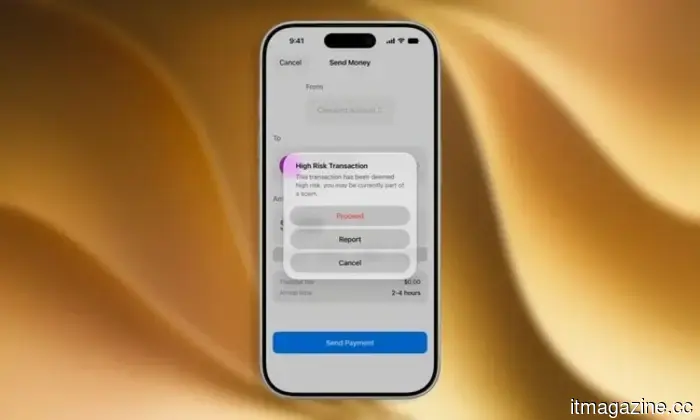
Apple is unveiling a new anti-fraud feature with iOS 27 intended to identify scam attempts in real time. The new Trust Insights system observes user behavior during calls, texts, or emails and can issue warnings or include a verification step if it detects coercion.
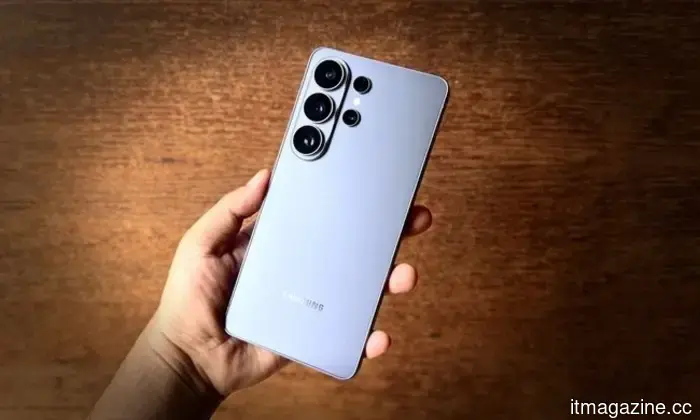
Samsung's Galaxy S27 Pro and Ultra might finally phase out the outdated selfie camera. The company has utilized the same 12MP front camera on its flagship devices for an extended period, but a recent leak suggests a potential upgrade is on the horizon with the upcoming Galaxy S27 Pro and Ultra models, and this change may extend beyond just a simple specifications enhancement.

Other articles
 Alibaba prohibits Claude Code due to concealed tracking of Chinese users.
Alibaba categorized Anthropic's Claude Code as high-risk software after researchers discovered steganographic markers that identified Chinese users based on their timezone and proxy.
Alibaba prohibits Claude Code due to concealed tracking of Chinese users.
Alibaba categorized Anthropic's Claude Code as high-risk software after researchers discovered steganographic markers that identified Chinese users based on their timezone and proxy.
 Palantir's CEO invested $200 million in properties that are untraceable.
Alex Karp purchased a $120 million monastery, a $75 million compound in Miami, and a 500-acre estate in New Hampshire. His company provides surveillance technology to government agencies.
Palantir's CEO invested $200 million in properties that are untraceable.
Alex Karp purchased a $120 million monastery, a $75 million compound in Miami, and a 500-acre estate in New Hampshire. His company provides surveillance technology to government agencies.
 AI chip stocks fell by 12% over two days as investors searched for new profitable opportunities.
The PHLX Semiconductor Index dropped 12% over two trading days, while the Dow reached an all-time high. As Q2 earnings come closer, investors are shifting their focus from AI chips to software.
AI chip stocks fell by 12% over two days as investors searched for new profitable opportunities.
The PHLX Semiconductor Index dropped 12% over two trading days, while the Dow reached an all-time high. As Q2 earnings come closer, investors are shifting their focus from AI chips to software.
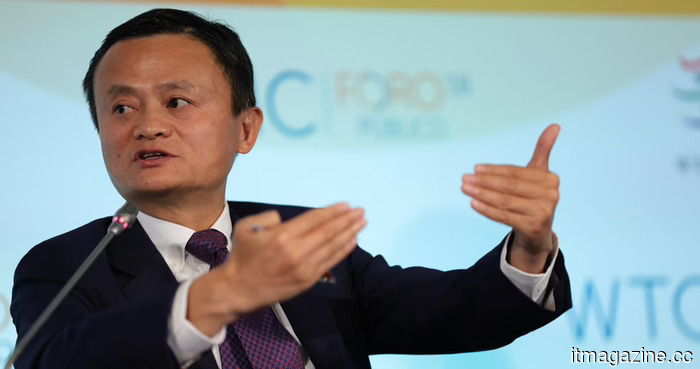 Alibaba prohibits Claude Code due to concealed tracking of Chinese users.
Alibaba categorized Anthropic's Claude Code as high-risk software following researchers' discovery of steganographic markers that identified Chinese users based on their timezone and proxy.
Alibaba prohibits Claude Code due to concealed tracking of Chinese users.
Alibaba categorized Anthropic's Claude Code as high-risk software following researchers' discovery of steganographic markers that identified Chinese users based on their timezone and proxy.
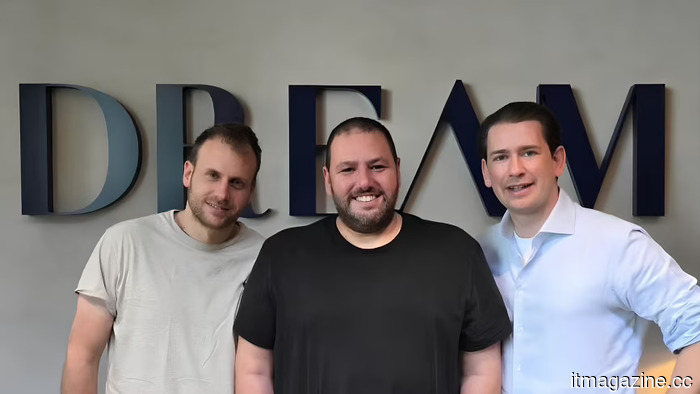 Dream, the creator of Pegasus, aims at the emerging right-wing movements in Latin America.
Dream, established by Shalev Hulio, the creator of Pegasus, focuses on Latin American governments that align with Trump as cyber attacks in the area increase by 25% each year.
Dream, the creator of Pegasus, aims at the emerging right-wing movements in Latin America.
Dream, established by Shalev Hulio, the creator of Pegasus, focuses on Latin American governments that align with Trump as cyber attacks in the area increase by 25% each year.
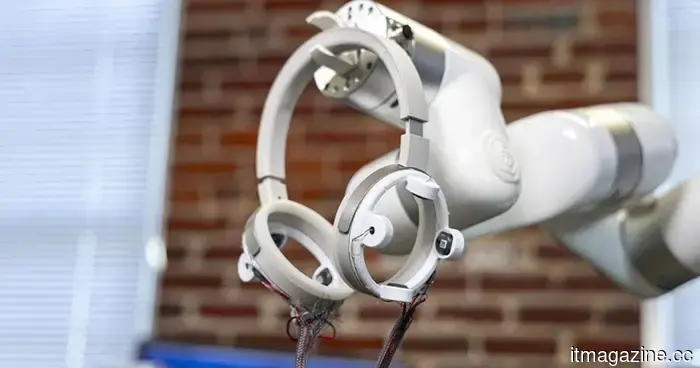 Horror films use music to signal impending danger. These headphones employ a similar technique to protect you from robots.
Researchers at Georgia Tech created Spherephones, a wearable headset that transforms the movement of nearby robots into spatial lo-fi music, alerting factory workers before they even need to glance up.
Horror films use music to signal impending danger. These headphones employ a similar technique to protect you from robots.
Researchers at Georgia Tech created Spherephones, a wearable headset that transforms the movement of nearby robots into spatial lo-fi music, alerting factory workers before they even need to glance up.
OxygenOS contributed to what made OnePlus phones unique. Now, it could potentially disappear for good.
OxygenOS and Realme UI are said to be phased out, with ColorOS set to take their place worldwide, while OnePlus is also concentrating its efforts more on India and China.