

Cambridge experts have discovered a remarkably straightforward solution for prolonging the lifespan of EV batteries: just apply some pressure.
Researchers have discovered a method to extend the lifespan of electric vehicle (EV) batteries without the need for completely new technology. A study from the University of Cambridge shows that applying the right amount of pressure to batteries can effectively enhance their longevity.
The research explored the effects of physical pressure on lithium-ion battery lifespan, revealing that maintaining a consistent pressure could potentially double the lifespan of battery cells. This study was published in Nature Energy, and the authors note that these improvements were achieved without altering the active materials, electrolyte, or fundamental battery chemistry.
How does pressure enhance performance?
Lithium-ion batteries expand and contract physically during charging and discharging, a process that Cambridge likens to breathing. Over time, this repetitive mechanical stress can lead to degradation within the battery cell. To investigate this, the researchers designed a specific apparatus that applied consistent pressure to lithium-ion pouch cells using pneumatic bellows, which function like self-regulating air cushions. This setup also monitored minor changes in the thickness of the battery throughout its cycle.
A crucial discovery was the identification of an optimal pressure range. At approximately 12.5 bar, or around 181 psi, the cells demonstrated a lifespan about twice as long as those tested under lower or higher pressure conditions. While it can be summarized as preventing the battery from "breathing," it doesn't imply that every EV battery needs to be crushed for optimal results. The pressure must be carefully controlled.
Why too much or too little pressure is detrimental
The study revealed various failure modes based on the applied pressure. Low pressure led to accelerated cracking of the cathode, while excessive pressure caused lithium plating on the anode, which negatively affects battery life and safety. Therefore, there is a challenge of finding the right balance. EV batteries can indeed benefit from being maintained under optimal mechanical conditions; however, the system must consistently manage the pressure as the battery expands, contracts, ages, and changes shape.
This research presents an intriguing approach. Instead of focusing on chemistry and other aspects, it examines the problem from a mechanical design angle. The research is still in its early stages and has only been conducted in a laboratory setting, so this technology won't be integrated into next year's EVs immediately. Cambridge has applied for a patent through Cambridge Enterprise, and the next step is to determine how to implement this pressure-control concept into commercial battery packs.


Other articles
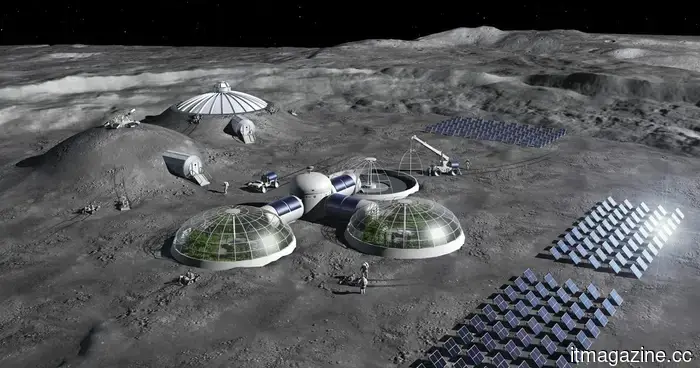 NASA is allocating $590 million to private companies for the construction of the first Moon outpost for humanity.
NASA has granted $590 million in contracts to Astrobotic, Firefly, and Intuitive Machines for the purpose of transporting landers and cargo to the Moon, as a component of its $30 billion Moon Base initiative.
NASA is allocating $590 million to private companies for the construction of the first Moon outpost for humanity.
NASA has granted $590 million in contracts to Astrobotic, Firefly, and Intuitive Machines for the purpose of transporting landers and cargo to the Moon, as a component of its $30 billion Moon Base initiative.
 Ashton Kutcher is departing from Sound Ventures to establish a new venture capital firm alongside Morgan Beller.
Kutcher leaves Sound Ventures after 11 years to co-found a new company with former a16z partner Morgan Beller, focusing on early-stage investments in AI, energy, and deep technology.
Ashton Kutcher is departing from Sound Ventures to establish a new venture capital firm alongside Morgan Beller.
Kutcher leaves Sound Ventures after 11 years to co-found a new company with former a16z partner Morgan Beller, focusing on early-stage investments in AI, energy, and deep technology.
 Sony ends physical PlayStation games. The disc era is over for Team Blue.
Physical PlayStation discs will face a firm deadline: January 2028. Following that date, all new games will be exclusively digital, available both on the PlayStation Store and in retail.
Sony ends physical PlayStation games. The disc era is over for Team Blue.
Physical PlayStation discs will face a firm deadline: January 2028. Following that date, all new games will be exclusively digital, available both on the PlayStation Store and in retail.
 Cambridge experts have discovered an incredibly straightforward solution for extending the lifespan of EV batteries: simply apply some pressure to them.
Researchers at Cambridge discovered that applying the correct constant pressure to lithium-ion battery cells could extend their lifespan by twofold without altering the chemistry.
Cambridge experts have discovered an incredibly straightforward solution for extending the lifespan of EV batteries: simply apply some pressure to them.
Researchers at Cambridge discovered that applying the correct constant pressure to lithium-ion battery cells could extend their lifespan by twofold without altering the chemistry.
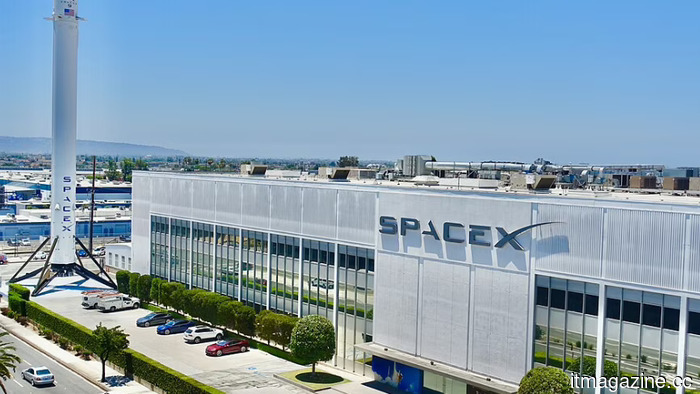 Reports indicate that SpaceX presented an AI device prototype to investors; however, Musk claims that the report is untrue.
The WSJ reports that SpaceX presented investors with a sleek AI prototype resembling a handset, which is thinner than an iPhone. Musk labeled the report as "completely false" on X.
Reports indicate that SpaceX presented an AI device prototype to investors; however, Musk claims that the report is untrue.
The WSJ reports that SpaceX presented investors with a sleek AI prototype resembling a handset, which is thinner than an iPhone. Musk labeled the report as "completely false" on X.
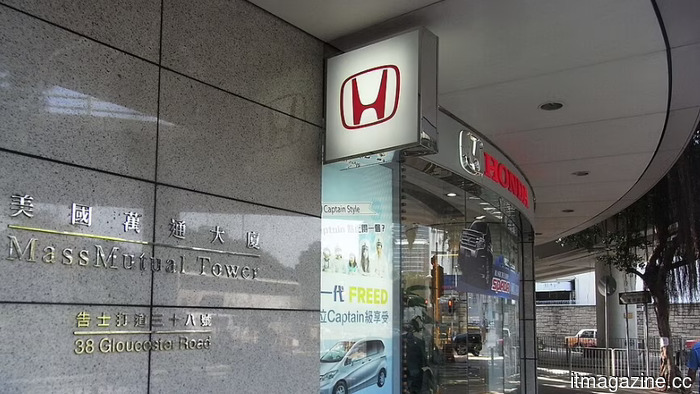 Honda begins production of batteries for data centers at a factory initially constructed for electric vehicles that was later scrapped.
Honda has started manufacturing energy storage batteries at an Ohio facility that was initially constructed for electric vehicles, which the company abandoned three months ago after incurring a $16 billion loss.
Honda begins production of batteries for data centers at a factory initially constructed for electric vehicles that was later scrapped.
Honda has started manufacturing energy storage batteries at an Ohio facility that was initially constructed for electric vehicles, which the company abandoned three months ago after incurring a $16 billion loss.
Cambridge experts have discovered a remarkably straightforward solution for prolonging the lifespan of EV batteries: just apply some pressure.
Researchers from Cambridge discovered that by applying the appropriate constant pressure to lithium-ion battery cells, their lifespan could be doubled without altering the chemistry.