

Android 17 makes it more difficult for malicious individuals to guess and break the PIN on your device.
Thieves are limited to 20 attempts before the door closes.
Shikhar Mehrotra / Digital Trends
Google aims to enhance the security of Android 17. The company has previously indicated that Android 17 will limit the number of attempts to guess a PIN or password, along with implementing longer waiting periods after failed attempts.
A detailed analysis by Mishaal Rahman has provided clarity on the extent of these changes.
The previous system allowed too many failures
Shikhar Mehrotra / Digital Trends
Previous Android versions permitted significantly more failed unlock attempts over time. For instance, Android 16 allowed up to 10 guesses within the first minute, 20 within six minutes, 50 in 25 minutes, 110 over 24 hours, and a staggering 1,800 attempts over five years.
Android 17 significantly narrows this scope. The updated limits now permit only six attempts in the first minute, seven within six minutes, eight in 25 minutes, 12 within 24 hours, and 19 over five years. After reaching 20 incorrect attempts, the device will cease to accept further guesses.
A stolen phone paired with a weak PIN and sufficient time can be a dangerous mix, particularly if the attacker is familiar with personal details such as birthdays, anniversaries, or common numerical patterns. The forthcoming major Android update will drastically shorten the guessing timeframe.
Protection for legitimate users as well
Google
However, this increased security might also pose a risk of stricter lockouts, potentially inconveniencing legitimate users. To mitigate this issue, Android 17 implements duplicate-guess detection. If you mistakenly input the same wrong PIN multiple times, Android will recognize it as a duplicate and not count it as a new failed attempt. The lock screen will display clear messages to prevent users from being confused by countdowns or unsure why the device is rejecting additional entries.
Modern smartphones store banking applications, saved passwords, passkeys, private conversations, photos, location histories, and two-factor authentication messages. If someone gains access to the lock screen, the consequences can be quick and severe. Therefore, while some may express dissatisfaction with the perceived lack of significant updates in Android 17 compared to Android 16, it is reassuring that security enhancements remain a priority.
Vikhyaat Vivek is a technology journalist and reviewer with seven years of experience in consumer hardware coverage.
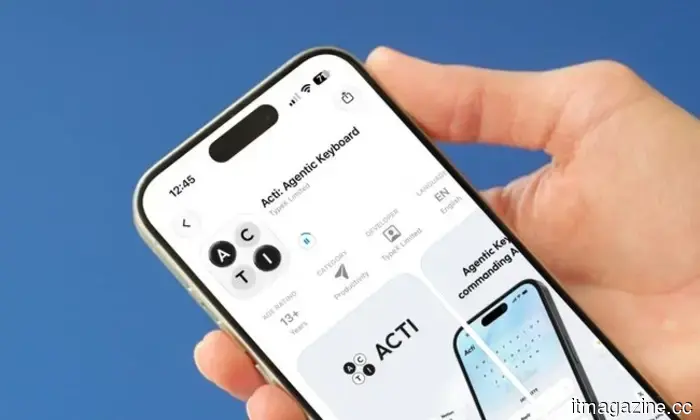
Acti has transformed your smartphone keyboard into an AI assistant.
A single keyboard that types your words while handling your tasks. This might be the upgrade your fingers have been anticipating.
The keyboard on your smartphone is the most interacted-with element, yet it has largely remained static since its inception two decades ago. While it has improved in understanding typing patterns and predicting text, its core functionality has not changed significantly. A startup from Singapore, Acti, looked at the keyboard and the considerable space it occupies on smartphones and posed a valid question: why not make it perform additional tasks? After witnessing its keyboard in action, I believe this idea has potential.
Finding photos in iOS 27 is now a breeze thanks to Siri AI, eliminating the need for scrolling.
Natural language photo search in iOS 27 is a feature that seamlessly becomes indispensable.
My camera roll has surpassed 8,000 images, capturing various moments (only to be forgotten later). The challenge arises when someone asks for something specific, whether it be their portrait from last weekend or the food pictures taken with my phone. Tracking down those images generally involves scrolling through my seemingly endless collection. If the photo in question is a month or two old, I quickly find myself scrolling past hundreds of other images to locate it, which becomes tedious rapidly.
WhatsApp clarifies that usernames won't expose users to scammers.
New security measures include username keys, rate limits, and anti-impersonation protections.
WhatsApp's much-anticipated username feature is now being rolled out to users. However, shortly after its announcement, many questioned whether this would make it easier for scammers to contact strangers. In response, WhatsApp has assured users that it does not believe this will be a problem. The company argues that usernames are not as exposed as those on Telegram.




Other articles
 Europe's cryptocurrency reformation is in progress as Venga becomes part of the initial group of firms approved under MiCA.
MiCA has reduced the number of registered crypto firms in Europe from 3,000 to only 244 authorized providers. Venga, based in Barcelona, meets the requirements, even as Binance scales back its EU services before the deadline.
Europe's cryptocurrency reformation is in progress as Venga becomes part of the initial group of firms approved under MiCA.
MiCA has reduced the number of registered crypto firms in Europe from 3,000 to only 244 authorized providers. Venga, based in Barcelona, meets the requirements, even as Binance scales back its EU services before the deadline.
 Dominion Dynamics secures CA$139 million for Arctic defense technology.
Ottawa's Dominion Dynamics has secured CA$139 million, marking the largest Series A funding round in the history of Canadian defence, aimed at developing autonomous drones and Arctic command software.
Dominion Dynamics secures CA$139 million for Arctic defense technology.
Ottawa's Dominion Dynamics has secured CA$139 million, marking the largest Series A funding round in the history of Canadian defence, aimed at developing autonomous drones and Arctic command software.
 Meta will start charging for the top AI feature available on its smart glasses, and there's a limit even if you opt to pay.
Meta has limited the free usage of Conversation Focus, the feature of Ray-Ban Meta glasses that enhances a speaker's voice in noisy environments, to three hours per month. To access additional time, users must subscribe to the $19.99 monthly Meta One Premium plan.
Meta will start charging for the top AI feature available on its smart glasses, and there's a limit even if you opt to pay.
Meta has limited the free usage of Conversation Focus, the feature of Ray-Ban Meta glasses that enhances a speaker's voice in noisy environments, to three hours per month. To access additional time, users must subscribe to the $19.99 monthly Meta One Premium plan.
 Reddit is discontinuing anonymous browsing on the old version of the site, which has displeased many long-time users.
Reddit is implementing a login requirement for old.reddit.com, and a post from the admin suggesting that this change might not be permanent has caused concern among long-time users.
Reddit is discontinuing anonymous browsing on the old version of the site, which has displeased many long-time users.
Reddit is implementing a login requirement for old.reddit.com, and a post from the admin suggesting that this change might not be permanent has caused concern among long-time users.
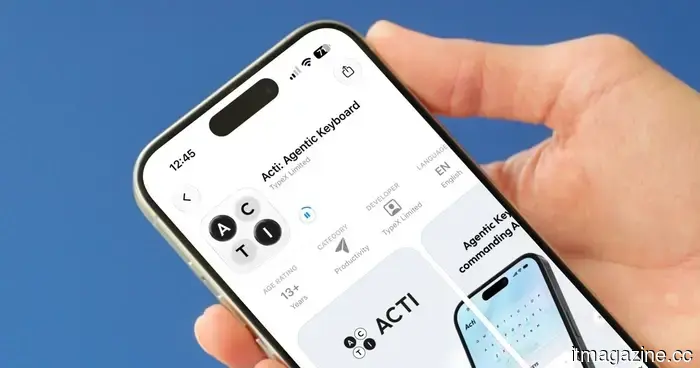 Acti has transformed your smartphone keyboard into an AI assistant.
Acti is an innovative AI keyboard for iOS and Android that enables you to share your location, live sports scores, and mini apps directly within your conversations, eliminating the need to switch between apps.
Acti has transformed your smartphone keyboard into an AI assistant.
Acti is an innovative AI keyboard for iOS and Android that enables you to share your location, live sports scores, and mini apps directly within your conversations, eliminating the need to switch between apps.
 Queue secures $12.6 million for its autonomous robotic pharmacy.
Queue has come out of stealth mode, securing a $12.6 million seed round led by AlleyCorp and introducing what it claims to be the world's first fully autonomous robotic pharmacy.
Queue secures $12.6 million for its autonomous robotic pharmacy.
Queue has come out of stealth mode, securing a $12.6 million seed round led by AlleyCorp and introducing what it claims to be the world's first fully autonomous robotic pharmacy.
Android 17 makes it more difficult for malicious individuals to guess and break the PIN on your device.
Android 17 enhances lock-screen security by implementing stricter protections that restrict the number of failed PIN and password inputs, lengthen lockout periods, identify repeated guesses, and increase the difficulty of brute-force attacks.