
I attempted to convert the Red Magic 11S Pro into a handheld gaming device, and it functioned remarkably well.
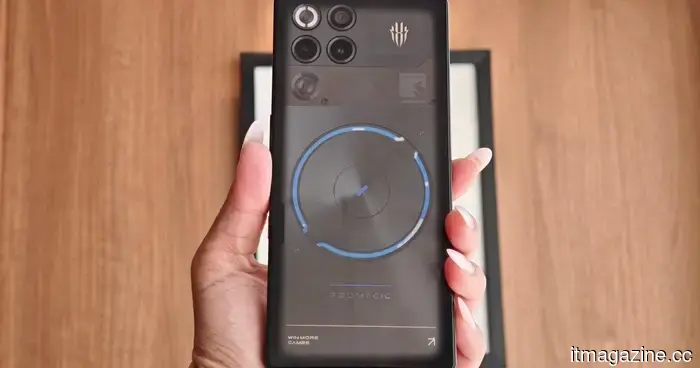
A glance at the Red Magic 11S Pro instantly reveals that it’s not aiming for subtlety. This device doesn't seek to emulate the sleek aesthetics of a contemporary flagship smartphone and isn't attempting to market itself as an outstanding camera phone. Its appearance suggests it could have emerged from the workspace of someone who believes transparent electronics embody the pinnacle of industrial design.
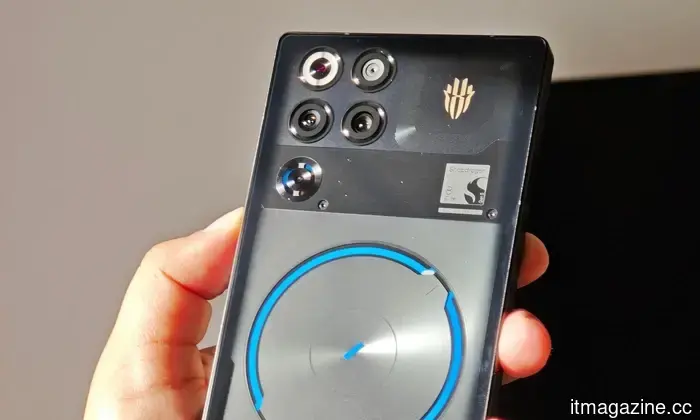
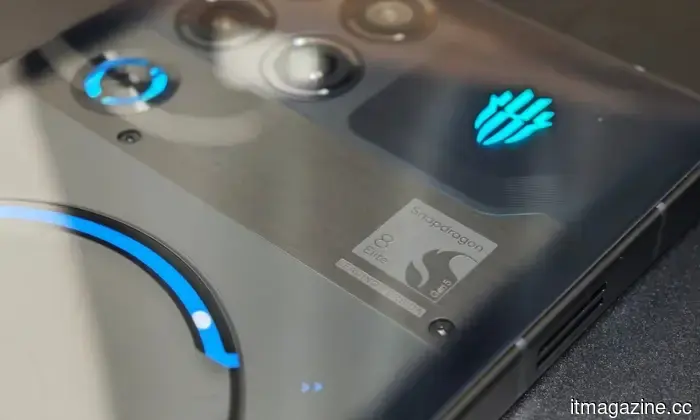
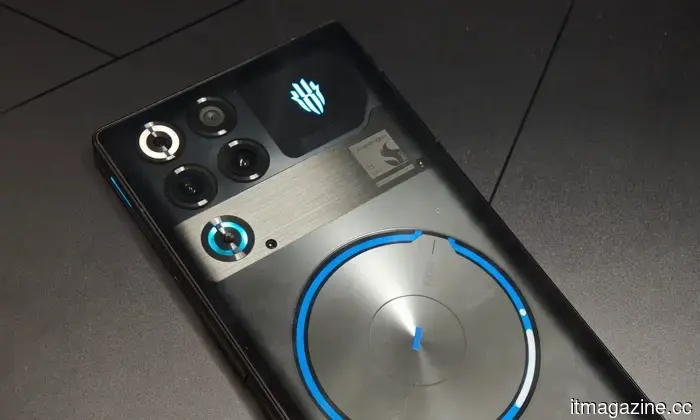
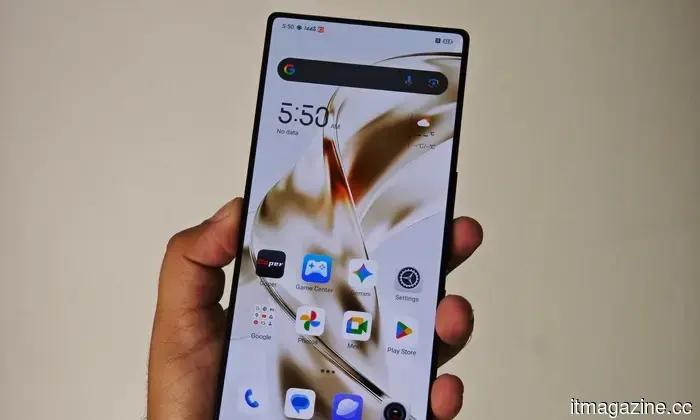
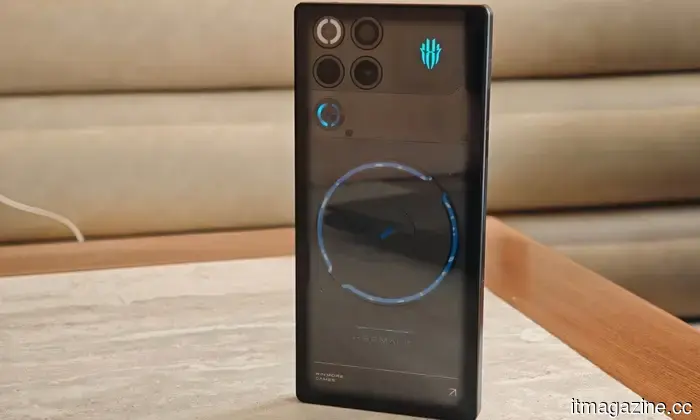
Many smartphones claim to be gaming devices yet spend half their time trying to appear ordinary. The Red Magic 11S Pro has none of these pretensions. The transparent back is striking and showcases visible liquid cooling, RGB lighting, a flat glass-and-metal body, and a design that entirely relies on whether you appreciate gaming hardware or not. The Nightfreeze variant I tested had a refined look.
I utilized the 16GB LPDDR5X Ultra RAM and 512GB UFS 4.1 model for about a month, primarily as a gaming and testing tool rather than a typical everyday smartphone, as this is a device that requires a different approach for evaluation.
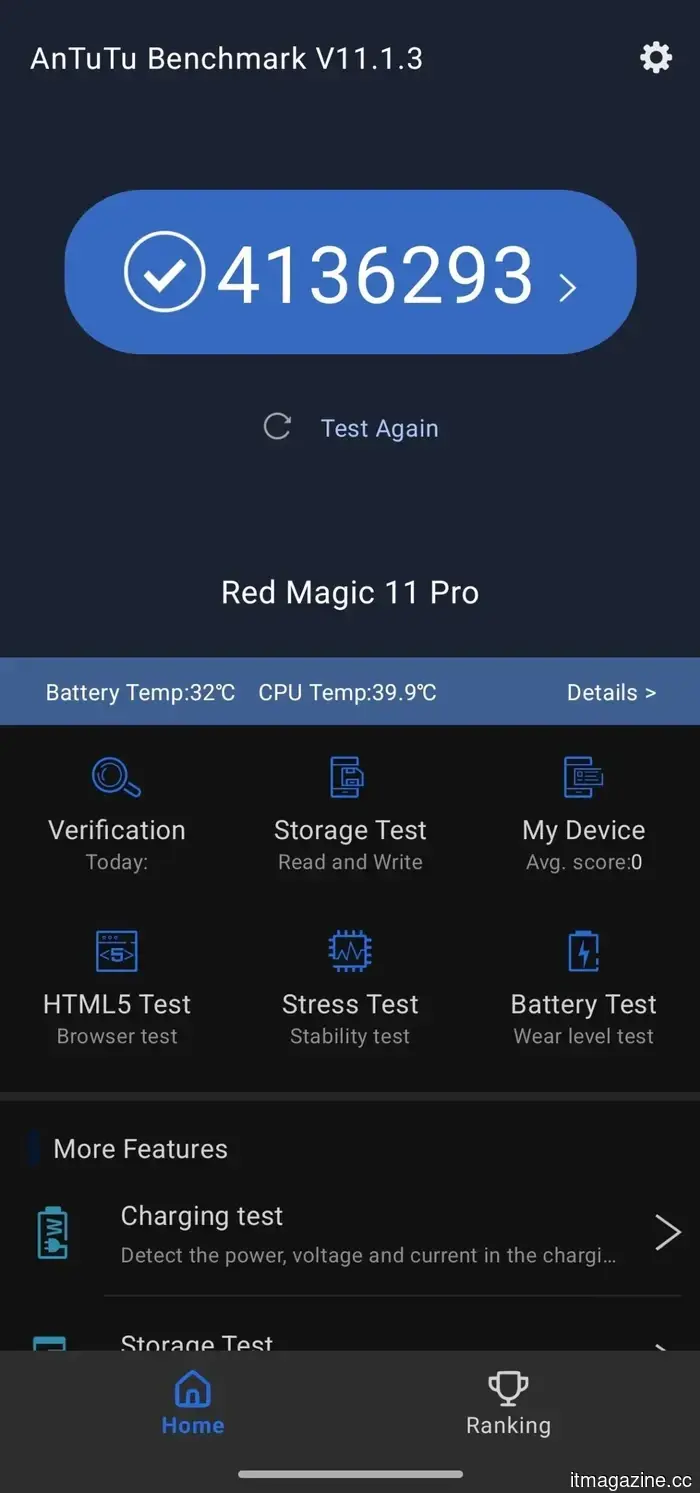
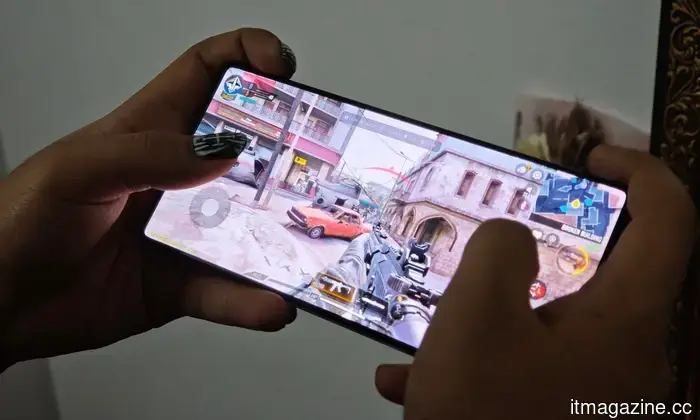
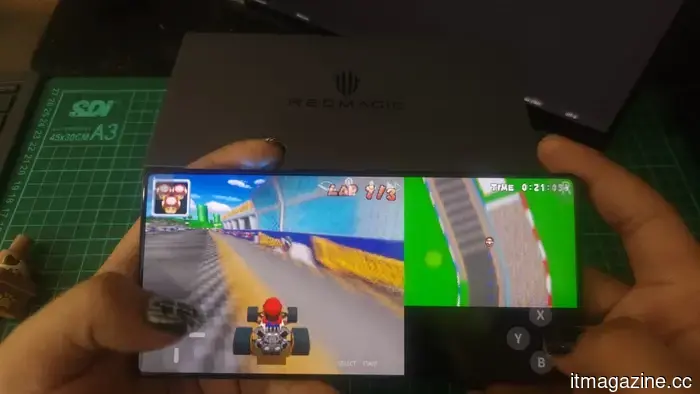
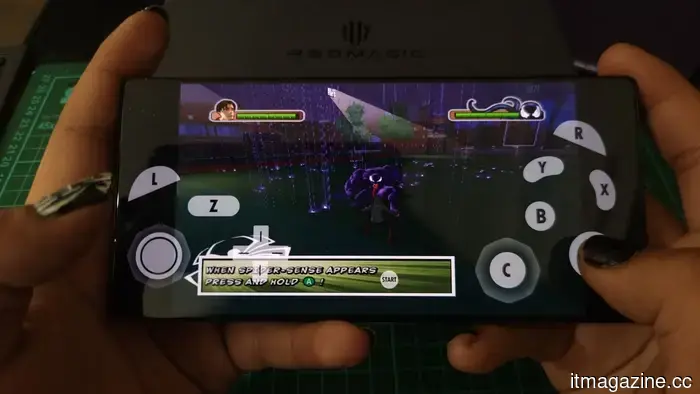
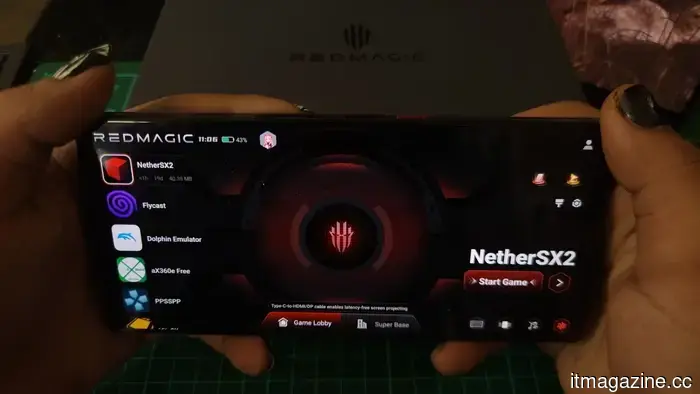
Thus, I pushed its limits. Benchmarks, demanding Android games, emulation, PC-like gaming interfaces, thermal performance, fans, liquid cooling—it’s all part of the experience. The outcome is a phone that feels more like a compact gaming rig capable of making calls rather than a flagship Android device. Having prior experience with the Red Magic 11 Pro, I was aware of its capabilities.
This model showcases peak performance amid an unabashed and striking design.
The transparent back is the first feature that captures attention, remaining the most noteworthy aspect of the phone even after several weeks of use. The flowing liquid cooling is visibly animated, and it's entertaining to observe. Friends would gaze at it just as I did upon first seeing it. It’s hard not to be surprised by the fact that actual liquid visibly circulates inside the device.
The RGB lighting exceeded my expectations as well. Typically, I’m not inclined to appreciate RGB on phones aside from older LED notification lights, but it complements the Red Magic 11S Pro’s character. The phone is already sufficiently gamer-centric that the lighting feels organic rather than contrived.
In hand, it resembles a hefty glass-and-metal slab. The flat front and back, combined with a lack of camera protrusion, contribute to a futuristic, nearly featureless aesthetic. However, this design also results in a rather slippery grip—extremely slippery. I didn't frequently use the provided case as the phone’s uniqueness felt too special to cover, even though that left me constantly anxious about grip.
Additionally, its weight can be tiring during one-handed use. Gaming isn’t an issue because you hold it with both hands, and the fan vents didn’t hinder my fingers. Yet, as an everyday phone, it is quite bulky. Red Magic didn’t design this with compact elegance in mind.
The 6.85-inch AMOLED display is among the phone’s most notable features, offering a resolution of 2688×1216 and a 144Hz refresh rate, along with a seamless full-screen design that enhances immersion. The under-display camera is nearly invisible unless you deliberately search for it.
This is particularly significant for gaming. There's no notch, no hole-punch, and no interruptions in the HUD. Watching videos and playing games on this screen is genuinely impressive. While outdoor brightness was commendable during my experience, both the front and back surfaces are reflective. The display operates smoothly at both 120Hz and 144Hz, although the distinction between the two is not something most will consistently perceive. Still, on a gaming phone, why not opt for the higher refresh rate?
Touch sensitivity was exceptional, and I didn’t encounter accidental touches or issues with sweaty fingers during fast-paced games. Competitive games can maximize higher refresh rates, and Red Magic’s gaming tools also provide frame rate enhancement and visual upgrades for compatible titles.
This phone is all about performance, and the Red Magic 11S Pro is quick to demonstrate its capabilities.
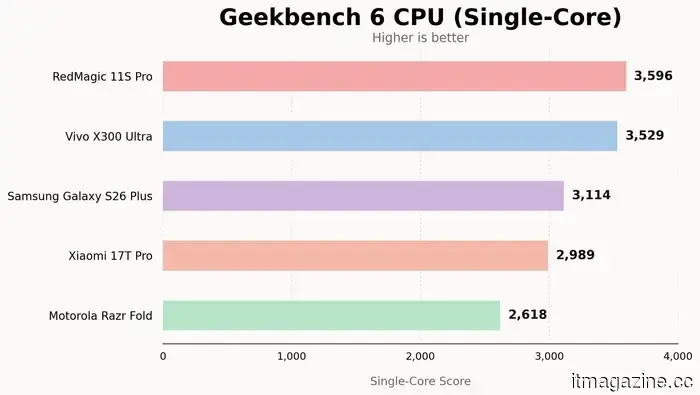
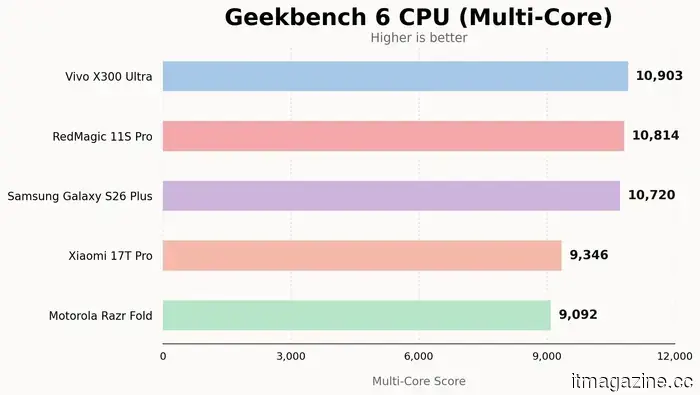
In Geekbench 6, it achieved a score of 3,596 in single-core and 10,814 in multi-core with Diablo mode activated. Turning Diablo mode off dropped the single-core score to 2,448 while the multi-core score remained high at 10,230. This suggests that Red Magic has finely tuned this device to handle demanding tasks while regular use doesn’t constantly tap into its full potential.
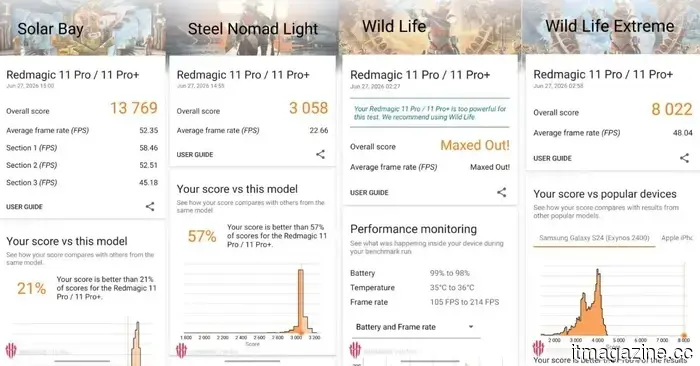
In 3DMark Wild Life Extreme, it scored 8,022 with an average frame rate of 48.04fps. When running Steel Nomad Light, it achieved 3,058 with an average frame rate of 22.66fps. The regular Wild Life test maxed out, which was completely unexpected.
However, things became a bit more complicated during the stress tests. When running the Wild Life Extreme Stress Test, the best loop score reached 6,464, while the lowest came in at 2,909, translating to 45% stability. This isn’t particularly flattering and













Other articles
 Tesla's main competitor has already achieved success in charging technology. Now, it is evaluating a significant advancement in self-driving capabilities.
BYD might be developing its own advanced AI chip, but it isn't completely severing ties with external partners at this time. This postponement might lead to a more cost-effective and streamlined introduction of its upcoming smart driving capabilities.
Tesla's main competitor has already achieved success in charging technology. Now, it is evaluating a significant advancement in self-driving capabilities.
BYD might be developing its own advanced AI chip, but it isn't completely severing ties with external partners at this time. This postponement might lead to a more cost-effective and streamlined introduction of its upcoming smart driving capabilities.
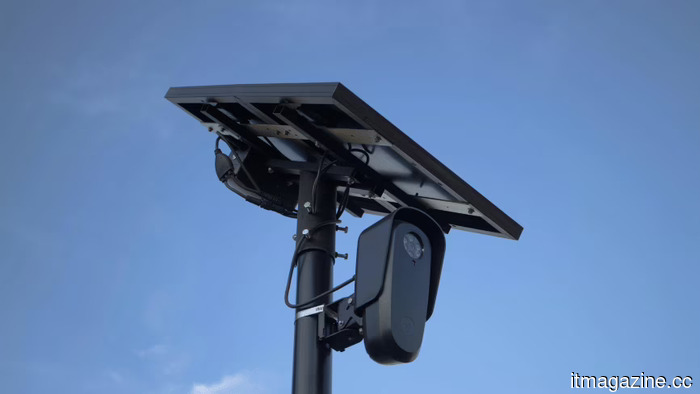 Flock surveillance cameras are being deployed throughout the United States.
More than 100,000 Flock surveillance cameras are currently keeping an eye on drivers in the US, raising concerns about security vulnerabilities, misuse by law enforcement, and the unexpected installation of poles in residential yards.
Flock surveillance cameras are being deployed throughout the United States.
More than 100,000 Flock surveillance cameras are currently keeping an eye on drivers in the US, raising concerns about security vulnerabilities, misuse by law enforcement, and the unexpected installation of poles in residential yards.
 According to a research firm, the memory crisis is not going to subside, and you will bear the consequences.
Two research companies have just validated the impact of the memory crisis: higher prices for phones and laptops, with no significant price reduction anticipated until 2028.
According to a research firm, the memory crisis is not going to subside, and you will bear the consequences.
Two research companies have just validated the impact of the memory crisis: higher prices for phones and laptops, with no significant price reduction anticipated until 2028.
 This inexpensive Steam Machine replica seems too good to be real, and that's likely because it isn't.
A listing for a SteamOS-style mini PC from China asserts that it features desktop AMD graphics, 2TB of storage, and an affordable price, but the specifics of the hardware and the design of the chassis raise significant concerns.
This inexpensive Steam Machine replica seems too good to be real, and that's likely because it isn't.
A listing for a SteamOS-style mini PC from China asserts that it features desktop AMD graphics, 2TB of storage, and an affordable price, but the specifics of the hardware and the design of the chassis raise significant concerns.
 Check out this awesome new app for those who approach every photo collection as if it's a magazine layout.
Mocha Frame is a free app for iPhone that enhances photos with stylish frames, watermarks, EXIF information, collages, and export options for sharing on social media.
Check out this awesome new app for those who approach every photo collection as if it's a magazine layout.
Mocha Frame is a free app for iPhone that enhances photos with stylish frames, watermarks, EXIF information, collages, and export options for sharing on social media.
 Momenta IPO: autonomous vehicle company aims to raise $752 million in Hong Kong.
The Momenta IPO aims to raise up to $752 million in Hong Kong, with a valuation close to $9 billion, as the firm, supported by GM and Toyota, finances its robotaxi growth.
Momenta IPO: autonomous vehicle company aims to raise $752 million in Hong Kong.
The Momenta IPO aims to raise up to $752 million in Hong Kong, with a valuation close to $9 billion, as the firm, supported by GM and Toyota, finances its robotaxi growth.
I attempted to convert the Red Magic 11S Pro into a handheld gaming device, and it functioned remarkably well.
The Red Magic 11S Pro is a bold gaming smartphone that delivers exceptional performance, features active cooling, excels in emulation, and includes quirky elements that make it clear it never aimed for the conventional.