
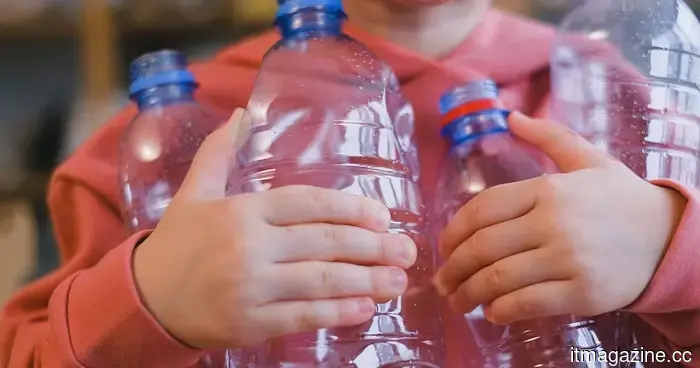
The battery for your next electric vehicle might begin its journey as a plastic water bottle.
Researchers at Penn State University have discovered a method to transform discarded PET plastic into battery-grade graphite.
Typically, plastic bottles are recycled into lower-value products, disposed of in landfills, or worse, they contribute to environmental pollution. However, the Penn State researchers believe they may eventually be able to power electric vehicles, smartphones, and renewable energy storage systems with their finding of converting waste plastic into high-quality battery graphite.
Converting plastic waste into battery-grade graphite
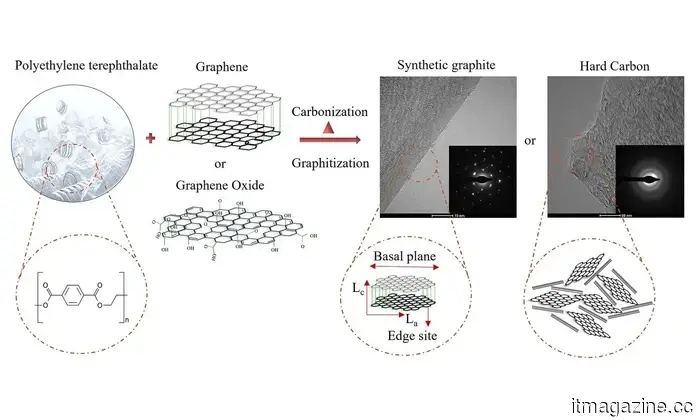
As stated by Penn State, the research team transformed discarded PET (polyethylene terephthalate) plastic, the material commonly found in water and soft drink bottles, into highly ordered synthetic graphite. This graphite functions as the anode in lithium-ion batteries, responsible for storing and releasing electrical energy, making it a crucial material in modern battery technology. Remarkably, the graphite derived from PET showed a more ordered crystal structure than various commercial natural graphite sources, indicating its high quality.
The process, detailed in the journal Diamond and Related Materials, is surprisingly simple. The researchers shredded PET plastic, combined it with a small amount of graphene oxide, and applied heat under carefully controlled conditions. The graphene oxide acts as a template that directs carbon atoms into highly ordered graphite crystals during the graphitization process. The team discovered that incorporating just 2.5% graphene oxide yielded the highest quality graphite in their tests.
An additional innovative aspect of the research is the decision to avoid using metal catalysts, such as iron, nickel, or cobalt, which are commonly employed in synthetic graphite production and can leave behind impurities that necessitate further purification. Instead, the Penn State researchers opted for graphene-based additives, producing cleaner graphite and minimizing chemical waste, while also streamlining the manufacturing process.
This is a form of recycling that genuinely adds value
Interestingly, this finding goes beyond merely providing another use for plastic bottles; it addresses the acquisition of one of the world's most essential battery materials. Graphite is classified as a critical mineral by the U.S. Department of Energy, with growing demand anticipated as electric vehicles, consumer electronics, and large-scale energy storage gain prevalence. Simultaneously, PET remains among the most commonly utilized plastics globally, with a significant portion still ending up in landfills despite recycling initiatives.
The researchers still need to demonstrate that the process can be effective on an industrial scale and validate the long-term performance of the batteries produced, so don’t expect plastic-powered EVs to emerge immediately. However, if this technology is commercialized, it could effectively tackle two significant challenges: reducing plastic waste and producing cleaner battery-grade graphite.



Other articles
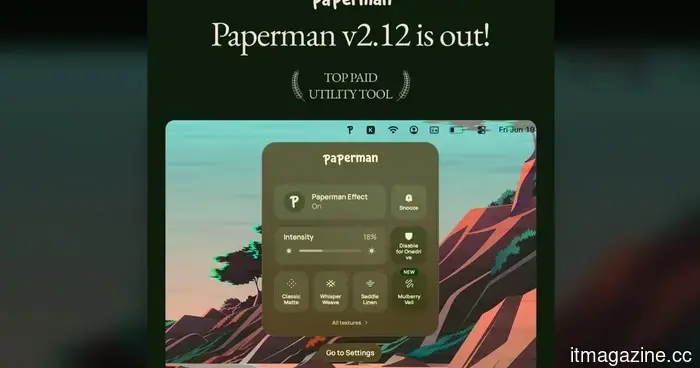 If you long for the sensation of paper in the digital era, this app provides a textured appearance to your Mac’s screen.
Paperman is a desktop application for Mac and Windows that applies paper-like textures to your screen, helping to soften contrast and diminish the shiny appearance of contemporary displays.
If you long for the sensation of paper in the digital era, this app provides a textured appearance to your Mac’s screen.
Paperman is a desktop application for Mac and Windows that applies paper-like textures to your screen, helping to soften contrast and diminish the shiny appearance of contemporary displays.
.jpg) This animated series, which boasts a 100% rating on Rotten Tomatoes, is one of three overlooked TV shows available on HBO Max to check out this weekend (June 26-28).
These concealed treasures on HBO Max boast nearly flawless critic ratings but are unfortunately overlooked, covering genres such as medical drama, science fiction, and coming-of-age narratives.
This animated series, which boasts a 100% rating on Rotten Tomatoes, is one of three overlooked TV shows available on HBO Max to check out this weekend (June 26-28).
These concealed treasures on HBO Max boast nearly flawless critic ratings but are unfortunately overlooked, covering genres such as medical drama, science fiction, and coming-of-age narratives.
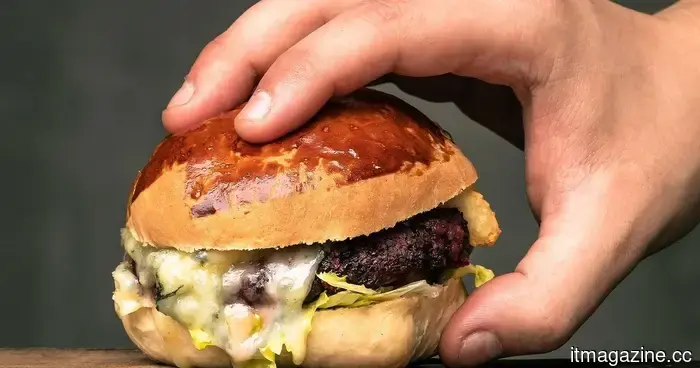 Scientists at Stanford have developed an AI capable of creating healthier and more environmentally friendly burgers.
Researchers at Stanford have created BurgerAI, an AI system designed to generate burger recipes that are healthier and more sustainable, all while maintaining great taste.
Scientists at Stanford have developed an AI capable of creating healthier and more environmentally friendly burgers.
Researchers at Stanford have created BurgerAI, an AI system designed to generate burger recipes that are healthier and more sustainable, all while maintaining great taste.
 Anthropic's strongest AI is making a return, but exclusively for a limited group.
Anthropic has reestablished access to Mythos 5 for a limited number of trusted users, and there are indications that Fable 5 might be back within days.
Anthropic's strongest AI is making a return, but exclusively for a limited group.
Anthropic has reestablished access to Mythos 5 for a limited number of trusted users, and there are indications that Fable 5 might be back within days.
.jpg) Three lesser-known Apple TV shows to check out this weekend (June 26-28)
From a discontinued mystery comedy to a celebrated historical drama, these three Apple TV+ series warrant much more recognition than they received.
Three lesser-known Apple TV shows to check out this weekend (June 26-28)
From a discontinued mystery comedy to a celebrated historical drama, these three Apple TV+ series warrant much more recognition than they received.
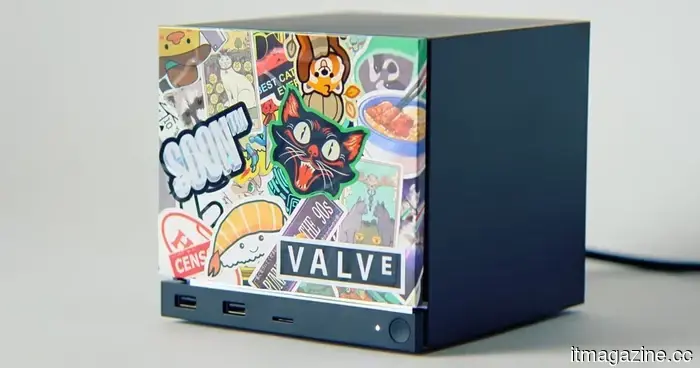 The Steam Machine hasn't even launched yet, but the resale frenzy has already started.
Valve's anti-scalper reservation system seems to be hindering resellers, though it hasn't completely eliminated them. Steam Machine listings are already surfacing on the internet.
The Steam Machine hasn't even launched yet, but the resale frenzy has already started.
Valve's anti-scalper reservation system seems to be hindering resellers, though it hasn't completely eliminated them. Steam Machine listings are already surfacing on the internet.
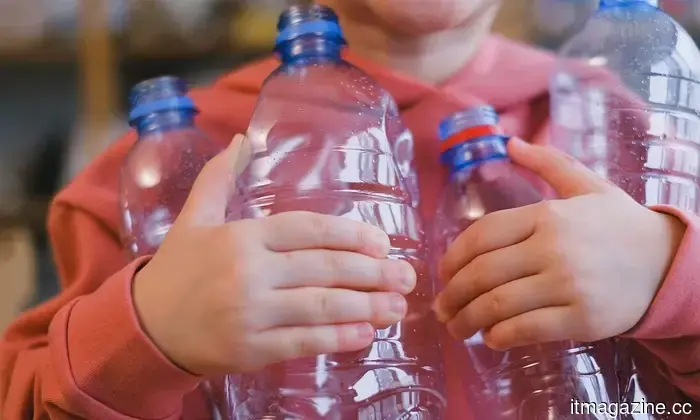
The battery for your next electric vehicle might begin its journey as a plastic water bottle.
Researchers at Penn State have created a method to convert waste plastic bottles into battery-quality graphite suitable for electric vehicles and smartphones.