

The UK considers requiring social media platforms to highlight reliable news sources.
Ministers are contemplating regulations that would enhance the visibility of content from the BBC, ITV, and Channel 4 on platforms like Facebook, YouTube, and TikTok, as an increasing number of Britons are relying on these feeds for their news.
On Monday, the UK’s culture department announced it is considering a requirement for social media platforms to make content from public service broadcasters and other credible news sources more accessible in feeds and searches. The Department for Culture, Media and Sport (DCMS) identified Meta's Facebook, Alphabet’s YouTube, and TikTok as platforms that this potential regulation could apply to, aiming to elevate the presence of outlets such as the BBC, ITV, and Channel 4 in news searches.
This consideration is based on data provided by the media regulator, Ofcom, which indicated that social media has become a primary source of news for a significant portion of adults in the UK, particularly around three-quarters of those aged 16 to 24. The underlying concern is that the traditional gatekeeping role played by broadcasters and newspaper covers has shifted to recommendation algorithms, meaning the public service outlets funded and regulated by the country are now competing for attention in a mix with other content on these platforms.
The proposal stems from worries regarding the challenges of finding reliable news when it is scarce. Additional Ofcom research from 2024 showed that 40% of UK adults had encountered misinformation online in the past month. Ministers are framing the prominence rules as a potential solution, arguing that boosting established newsrooms' visibility may be more effective than trying to regulate misleading content.
While the prominence initiative is a central focus, it is part of a broader reassessment of public service broadcasting in an era of streaming. DCMS is also considering expanding public service media status to encompass online-only providers, a category that was not included in the existing framework.
Two more proposals are being evaluated. The department is contemplating extending the current free-to-air protections for significant sporting events to on-demand viewing, ensuring that highlights and replays remain accessible without paywalls. There are also plans to consult on a potential long-term transition to internet-based television, with a switch from traditional broadcasts expected between 2034 and 2044.
The platforms in question are likely to oppose these changes. Companies in similar positions have previously claimed that prominence rules restrict user choice, substituting a regulator's determinations about what users should see for their own preferences. They have also expressed concern that favoring designated news providers places other content creators at a disadvantage, ranking them below state-selected outlets.
Recent disputes over YouTube’s creator policies have illustrated how contentious these issues of visibility and ranking can become. This initiative aligns with a broader European trend toward exerting control over the digital landscape that influences public life, evident in varied regulations from content rules to technology sovereignty across Europe.
Although Britain is no longer part of the European Union, it is still grappling with the same platforms and is exploring the extent to which a national regulator can influence the ranking systems utilized by these services.
At this stage, no decisions have been finalized. The measures are still described as under review, and the consultations along with any subsequent legislation will require several months to develop. The targeted platforms have yet to respond formally, and specific details regarding how prominence would be assessed and enforced are still to be determined. However, the department has indicated its intent, signaling to major social networks that the question of which news sources are prioritized is no longer solely at their discretion.
Other articles
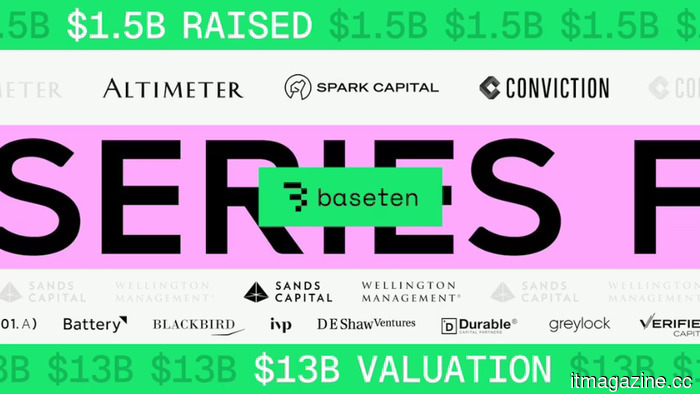 AI infrastructure company Baseten has secured $1.5 billion in funding, reaching a valuation of as much as $13 billion.
AI startup Baseten secured $1.5 billion at a valuation reaching $13 billion, with Sands Capital and Wellington leading the round, while Blackbird VC made its largest investment to date.
AI infrastructure company Baseten has secured $1.5 billion in funding, reaching a valuation of as much as $13 billion.
AI startup Baseten secured $1.5 billion at a valuation reaching $13 billion, with Sands Capital and Wellington leading the round, while Blackbird VC made its largest investment to date.
 The UK is considering requiring social media platforms to highlight reliable news sources.
The culture department of Britain is contemplating regulations that would obligate Facebook, YouTube, and TikTok to facilitate the discovery of news from BBC, ITV, and Channel 4 in their feeds and search functions.
The UK is considering requiring social media platforms to highlight reliable news sources.
The culture department of Britain is contemplating regulations that would obligate Facebook, YouTube, and TikTok to facilitate the discovery of news from BBC, ITV, and Channel 4 in their feeds and search functions.
 Trump signs directives aimed at achieving a robust quantum computer by 2028.
Trump signed two executive orders related to quantum computing, aiming for a research-grade machine by 2028 and allocating $2 billion in grants to nine companies for government investment.
Trump signs directives aimed at achieving a robust quantum computer by 2028.
Trump signed two executive orders related to quantum computing, aiming for a research-grade machine by 2028 and allocating $2 billion in grants to nine companies for government investment.
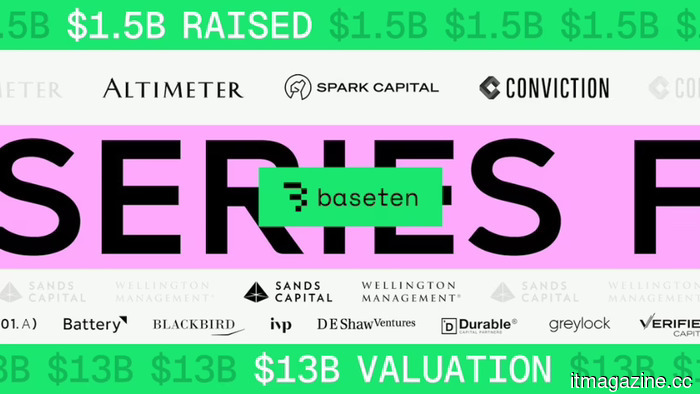 AI infrastructure startup Baseten secures $1.5 billion in funding, reaching a valuation of up to $13 billion.
AI startup Baseten secured $1.5 billion, achieving a valuation of as much as $13 billion, with Sands Capital and Wellington leading the round, while Blackbird VC made its largest investment to date.
AI infrastructure startup Baseten secures $1.5 billion in funding, reaching a valuation of up to $13 billion.
AI startup Baseten secured $1.5 billion, achieving a valuation of as much as $13 billion, with Sands Capital and Wellington leading the round, while Blackbird VC made its largest investment to date.
 Meta halts its employee mouse-tracking initiative due to concerns about data security.
Meta has halted its Model Capability Initiative, which monitored employee mouse movements and keystrokes for AI training, following an incident where sensitive data was inadvertently exposed.
Meta halts its employee mouse-tracking initiative due to concerns about data security.
Meta has halted its Model Capability Initiative, which monitored employee mouse movements and keystrokes for AI training, following an incident where sensitive data was inadvertently exposed.
 Micron and Anthropic have entered into a multi-year agreement for the supply of AI memory.
Micron and Anthropic have entered into a multi-year contract regarding the supply of AI memory and storage, the integration of Claude within Micron, and Micron's investment in Anthropic.
Micron and Anthropic have entered into a multi-year agreement for the supply of AI memory.
Micron and Anthropic have entered into a multi-year contract regarding the supply of AI memory and storage, the integration of Claude within Micron, and Micron's investment in Anthropic.
The UK considers requiring social media platforms to highlight reliable news sources.
The culture department of Britain is contemplating regulations that would mandate Facebook, YouTube, and TikTok to ensure that news from the BBC, ITV, and Channel 4 is more accessible in searches and feeds.