
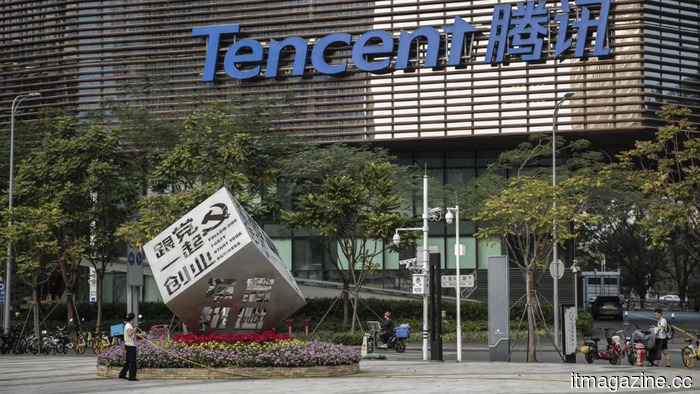
Tencent considers withdrawing from Marvelous and its other investments in Japanese gaming.
Tencent Holdings is reportedly in discussions to divest from several minority stakes it possesses in Japanese game studios, including the Tokyo-listed Marvelous Inc., as the company reevaluates its global gaming portfolio that it has built over many years.
These discussions, initially reported by Bloomberg, aim to reverse part of a series of acquisitions that took place in the early 2020s. Some of these exits could be straightforward, while others may be more challenging. Tencent is preparing to sell certain stakes back to the original management teams of the studios and is open to doing so at a loss if it deems that the clearest exit strategy.
This approach is atypical for an investor usually recognized for accumulating shares rather than divesting them. According to Bloomberg, Tencent is engaged in this review as a form of housekeeping, closely examining holdings where the anticipated strategic synergies have diminished, and reallocating investment to areas it believes will experience quicker growth.
Marvelous, known for publishing the Story of Seasons farming series and the Senran Kagura franchise, was among the companies Tencent invested in during a significant wave of investment in Japanese developers around 2020. During that period, Tencent made substantial minority investments in various studios across Japan and other regions, partly as a strategy to shield itself from a tightening regulatory environment in China, where Beijing’s antitrust measures and a halt on new game approvals have affected its domestic operations.
Some of these investments have proven to be more fruitful than others, and Tencent now seems prepared to acknowledge that instead of retaining positions out of sheer inertia. This divestment also aligns with a broader trend of tightening regulations on Chinese capital flowing abroad, as Beijing has been increasing oversight on outbound investments. Tencent's review of underperforming stakes is consistent with this stricter scrutiny of capital leaving the country.
While the company has positioned this reassessment as an independent commercial decision, it is not occurring in isolation, either domestically or internationally. The scrutiny of Tencent’s overseas gaming investments has grown, with reports indicating that the Trump administration reviewed its stakes in Epic Games and Riot Games, as part of a larger American examination of Chinese ownership in the industry.
The talks regarding the Japanese stakes are business decisions rather than forced sales, yet they take place amid heightened attention on Tencent's foreign investments. Tencent continues to be the world's largest gaming company by revenue, holding full ownership of Riot and a controlling stake in Supercell, and its decision to withdraw from a few Japanese minority stakes does not alter that position.
The studios involved in the potential exits are those whose collaborations did not yield the anticipated partnerships and influence for Tencent. This move is aligned with a broader strategy of reallocating resources, as Tencent is also investing in AI assistants within WeChat and focusing on visible financial returns rather than those that seemed promising in the past.
The company has historically approached its investment strategy as an extensive experiment, which often results in unsuccessful ventures alongside successful ones. None of the discussions have been officially confirmed by Tencent, which has not made any public comments, and the negotiations could still collapse or be altered. However, it is evident that the direction is one of reevaluation: a portfolio built during an acquisition phase is now being reassessed through a more cautious perspective, with Marvelous being among the initial candidates for divestment.
Other articles
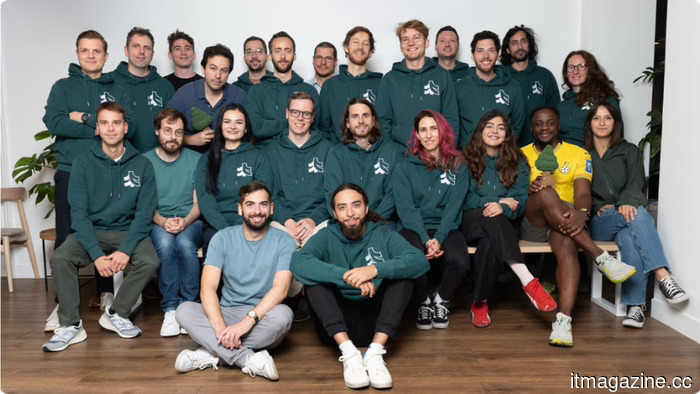 Tsuga secures $35 million to maintain AI-driven observability within the customer's own cloud environment.
The Paris-based startup Tsuga, founded by former Datadog creators, has secured $35 million in Series A funding, with Singular leading the investment, to manage observability within the customer's own cloud environment.
Tsuga secures $35 million to maintain AI-driven observability within the customer's own cloud environment.
The Paris-based startup Tsuga, founded by former Datadog creators, has secured $35 million in Series A funding, with Singular leading the investment, to manage observability within the customer's own cloud environment.
 TensorX secures €8M to develop sovereign AI inference for Europe utilizing Nvidia Blackwell.
TensorX has secured €8 million to acquire Nvidia Blackwell B300 GPUs and enhance its AI inference platform, which is GDPR-compliant and operated from Dublin and Helsinki.
TensorX secures €8M to develop sovereign AI inference for Europe utilizing Nvidia Blackwell.
TensorX has secured €8 million to acquire Nvidia Blackwell B300 GPUs and enhance its AI inference platform, which is GDPR-compliant and operated from Dublin and Helsinki.
 Sceptre Prime Day 2026 Gaming Monitor Discounts: Save Up to $100 on Gaming Displays
Prime Day is an excellent opportunity to enhance your gaming setup, and Sceptre is providing discounts on its range of gaming monitors.
Sceptre Prime Day 2026 Gaming Monitor Discounts: Save Up to $100 on Gaming Displays
Prime Day is an excellent opportunity to enhance your gaming setup, and Sceptre is providing discounts on its range of gaming monitors.
 A judge has ruled that Workday must confront a lawsuit in California regarding alleged bias in AI hiring practices.
A US judge decided that Workday must respond to allegations that its AI hiring software improperly screened out applicants, potentially violating California law and a federal ban on discrimination against individuals with disabilities.
A judge has ruled that Workday must confront a lawsuit in California regarding alleged bias in AI hiring practices.
A US judge decided that Workday must respond to allegations that its AI hiring software improperly screened out applicants, potentially violating California law and a federal ban on discrimination against individuals with disabilities.
 Windows 11 is set to receive Copilot for Microsoft 365 Business accounts once more, except for users in Europe.
In April, Microsoft made Copilot an optional feature. However, in June, it is reintroducing it as a mandatory installation via Office updates, with only users in the EU being exempted.
Windows 11 is set to receive Copilot for Microsoft 365 Business accounts once more, except for users in Europe.
In April, Microsoft made Copilot an optional feature. However, in June, it is reintroducing it as a mandatory installation via Office updates, with only users in the EU being exempted.
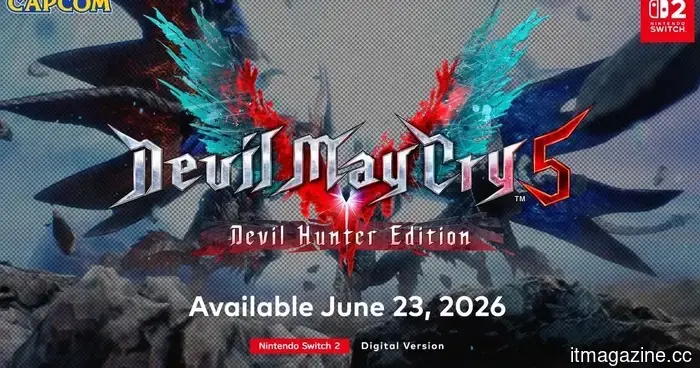 Devil May Cry has just arrived on your Switch 2, and it's available for just $30 until July 7.
Devil May Cry 5: Devil Hunter Edition makes its debut on the Switch 2, marking its first appearance on any portable Nintendo device, and is available for $30 until July 7.
Devil May Cry has just arrived on your Switch 2, and it's available for just $30 until July 7.
Devil May Cry 5: Devil Hunter Edition makes its debut on the Switch 2, marking its first appearance on any portable Nintendo device, and is available for $30 until July 7.
Tencent considers withdrawing from Marvelous and its other investments in Japanese gaming.
Tencent is in discussions to divest minority shares in Japanese game studios, such as Tokyo-listed Marvelous, occasionally reverting them to the founders and at a loss, according to Bloomberg.