
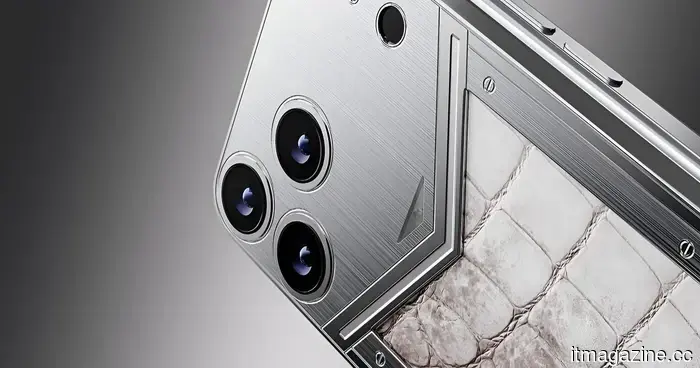
Caviar's iPhone case costs three times more than the phone itself and features a genuine fragment of a T-Rex tooth.
Caviar has introduced an extraordinarily expensive accessory for the iPhone, featuring a dinosaur tooth and a price tag of $4,490.
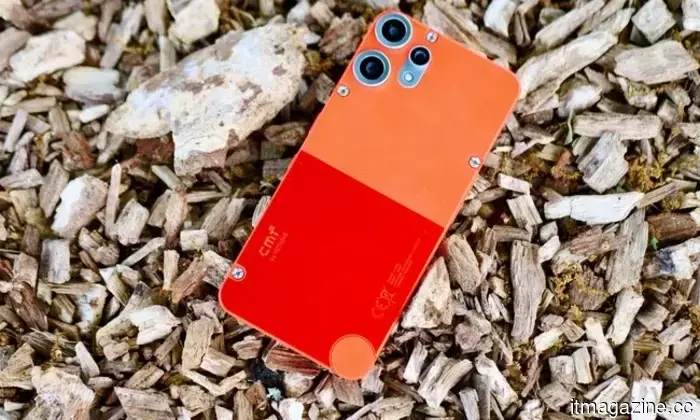
The company, known for creating lavish custom phones, has unveiled its latest product, the Magnetic Custom Relict, a magnetic case tailored for the iPhone 17 Pro Max. While the cost may seem outrageous, the case's unique feature—a piece of a Tyrannosaurus fossil embedded in the tip of its iconic checkmark design—justifies it.
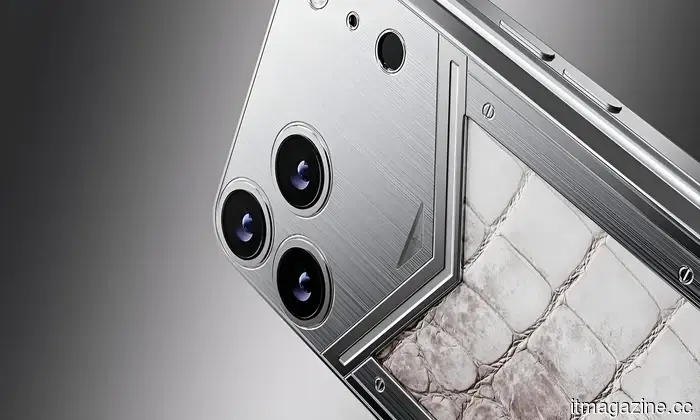
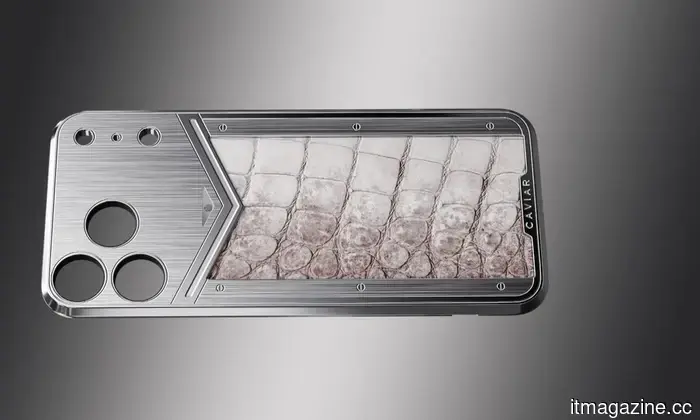
This case surpasses the phone it protects in terms of price, as the base model of the iPhone 17 Pro Max starts at $1,199 in the US, meaning Caviar’s case is more than three times that amount. The luxury materials used include lightweight aviation titanium for the magnetic panel, alligator leather in a Himalayan color, and blue jewelry enamel framing the decorative checkmark.
Caviar describes this innovative design as a modern object that offers a link to prehistoric times, adding a dramatic flair to the product. The case magnetically attaches to the iPhone, distinguishing it from Caviar’s full custom iPhone rebuilds. Essentially, it serves as a high-end backplate that enhances the phone's appearance without permanently altering the device.
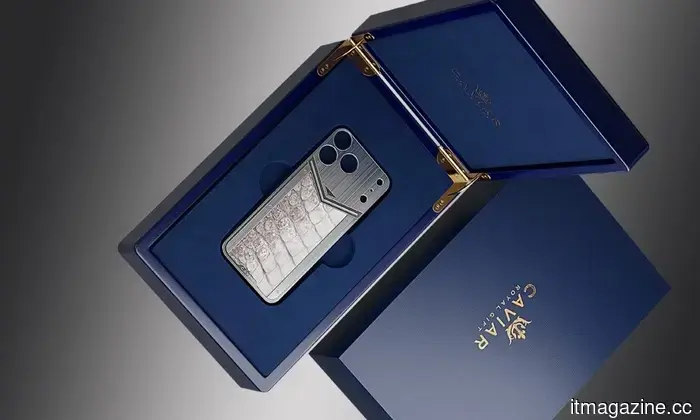
Caviar is producing this case in extremely limited quantities, with only seven available for sale, which contributes to its steep price. Each case is packaged in the company’s signature gift box, complete with a personal certificate. While it may not offer the highest level of protection or drop resistance, it certainly stands out as the most luxurious and exclusive option available.
---
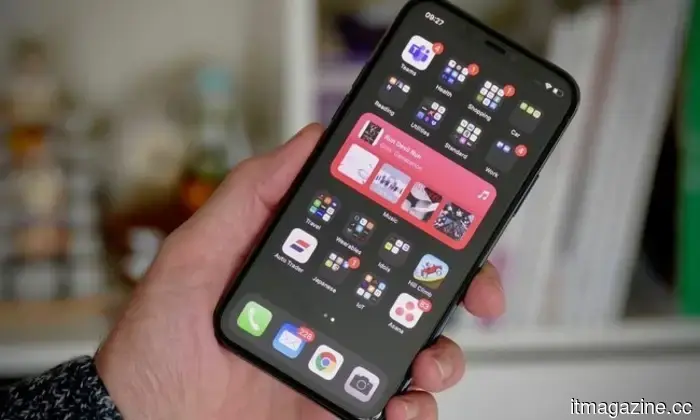
In another note, recent findings indicate that older iPhones may harbor a security vulnerability that Apple cannot address. Security experts from Paradigm Shift have uncovered a BootROM exploit impacting models with A12 and A13 chips.
iPhones are typically regarded as some of the most secure smartphones on the market, but they are still susceptible to significant security flaws, as evidenced by threats like Coruna and DarkSword. The newly discovered exploit, called usbliter8, affects certain older iPhones by targeting a critical part of Apple's startup process known as the BootROM.
The BootROM is crucial for initiating the iPhone's boot sequence and verifying subsequent processes. Since it’s integrated into the chip, resolving issues with it is considerably more challenging than addressing a standard iOS bug. While Apple can usually rectify software vulnerabilities through system updates, it cannot modify BootROM code on devices already in circulation.
---
In other news, Nothing has decided to scrap its upcoming affordable phone model, and the reason is more extensive than anticipated.
The co-founder of the company, Akis Evangelidis, revealed on X that CMF will not introduce a new phone this year, attributing the cancellation to a worsening memory crisis.
---
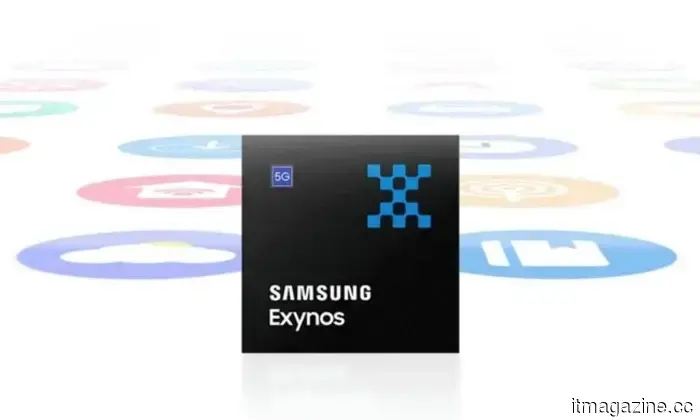
Samsung has officially announced the development of the Exynos 2700 chipset, hinting at its future deployment in the Galaxy S27.
This new chipset may offer enhanced performance while consuming less power. Traditionally, Samsung releases its Galaxy S flagship phones with two different processor options: some regions receive Qualcomm's latest Snapdragon chip, while others have Samsung's own Exynos processors. Recent launches, including both the Galaxy S23 series in 2023 and the Galaxy S25 series in 2025, solely utilized Snapdragon chips, raising questions about whether the Galaxy S27 will follow the same approach.

Other articles
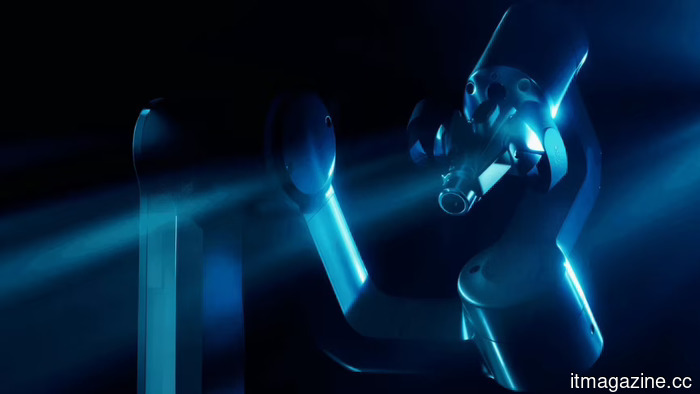 The creator of VLC, which has reached 6 billion downloads, is now aiming to link hundreds of millions of robots.
Jean-Baptiste Kempf, the creator of VLC which has achieved 6 billion downloads, secured $5 million from Lightspeed for Kyber, an SDK designed for real-time control of remote machines.
The creator of VLC, which has reached 6 billion downloads, is now aiming to link hundreds of millions of robots.
Jean-Baptiste Kempf, the creator of VLC which has achieved 6 billion downloads, secured $5 million from Lightspeed for Kyber, an SDK designed for real-time control of remote machines.
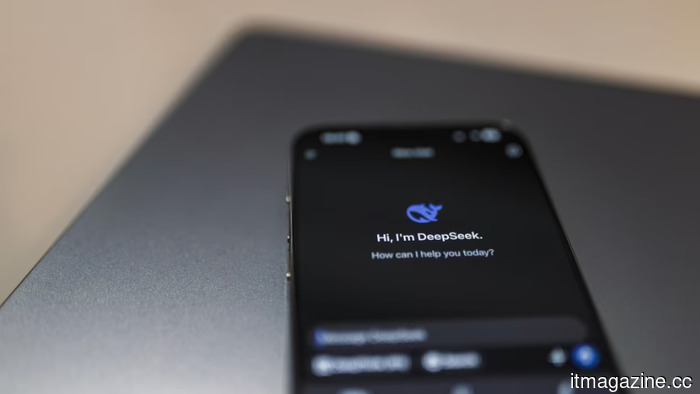 Researchers at Wharton introduced the term 'cognitive surrender' to characterize the phenomenon where individuals allow AI to take over their thinking.
A study from Wharton revealed that individuals accept incorrect AI responses 80% of the time, especially with applications like Moot that allow five AI personas to weigh in on personal decisions.
Researchers at Wharton introduced the term 'cognitive surrender' to characterize the phenomenon where individuals allow AI to take over their thinking.
A study from Wharton revealed that individuals accept incorrect AI responses 80% of the time, especially with applications like Moot that allow five AI personas to weigh in on personal decisions.
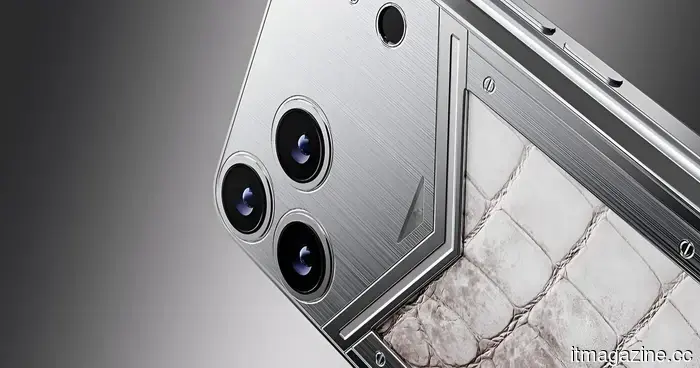 Caviar's iPhone case costs three times more than the phone itself and is embellished with a genuine fragment of a T-Rex tooth.
Caviar's Magnetic Custom Relict case for the iPhone 17 Pro Max, priced at $4,490, is crafted from aviation titanium, alligator leather, blue enamel, and includes a fragment of a Tyrannosaurus fossil.
Caviar's iPhone case costs three times more than the phone itself and is embellished with a genuine fragment of a T-Rex tooth.
Caviar's Magnetic Custom Relict case for the iPhone 17 Pro Max, priced at $4,490, is crafted from aviation titanium, alligator leather, blue enamel, and includes a fragment of a Tyrannosaurus fossil.
 ShinyHunters released 45GB of data from Madison Square Garden, which features records from facial recognition surveillance.
ShinyHunters released 45GB of MSG data following a lapsed ransom deadline, resulting in the exposure of biometric surveillance records and the initiation of a class action lawsuit.
ShinyHunters released 45GB of data from Madison Square Garden, which features records from facial recognition surveillance.
ShinyHunters released 45GB of MSG data following a lapsed ransom deadline, resulting in the exposure of biometric surveillance records and the initiation of a class action lawsuit.
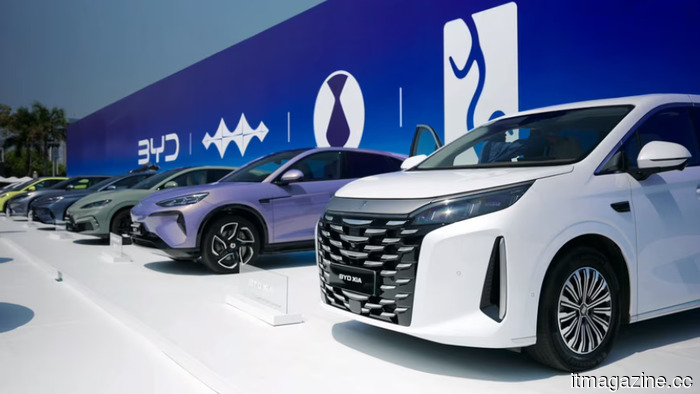 BYD has denied allegations that it breached Hungary's environmental regulations at its electric vehicle factory in Szeged.
Stella Li, the executive VP of BYD, stated that the company has adhered to all local regulations at its plant in Szeged, where Hungarian authorities are investigating claims of toxic soil.
BYD has denied allegations that it breached Hungary's environmental regulations at its electric vehicle factory in Szeged.
Stella Li, the executive VP of BYD, stated that the company has adhered to all local regulations at its plant in Szeged, where Hungarian authorities are investigating claims of toxic soil.
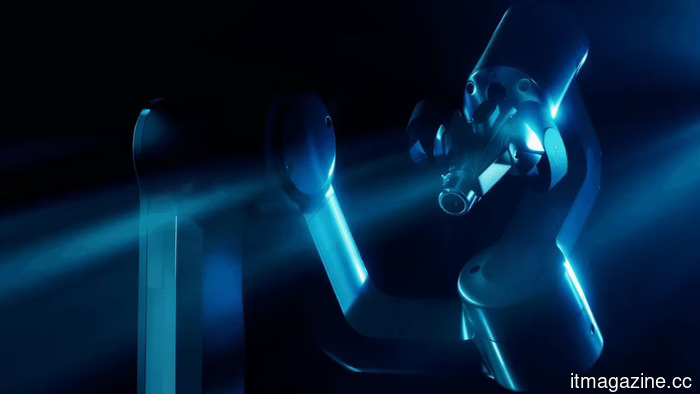 The creator of VLC, which has seen 6 billion downloads, is now aiming to link hundreds of millions of robots.
Jean-Baptiste Kempf, the creator of VLC, which has achieved 6 billion downloads, secured $5 million from Lightspeed for Kyber, an SDK designed for real-time control of remote machines.
The creator of VLC, which has seen 6 billion downloads, is now aiming to link hundreds of millions of robots.
Jean-Baptiste Kempf, the creator of VLC, which has achieved 6 billion downloads, secured $5 million from Lightspeed for Kyber, an SDK designed for real-time control of remote machines.
Caviar's iPhone case costs three times more than the phone itself and features a genuine fragment of a T-Rex tooth.
Caviar’s Magnetic Custom Relict case for the iPhone 17 Pro Max, priced at $4,490, features aviation titanium, alligator leather, blue enamel, and a fragment of a Tyrannosaurus fossil.