
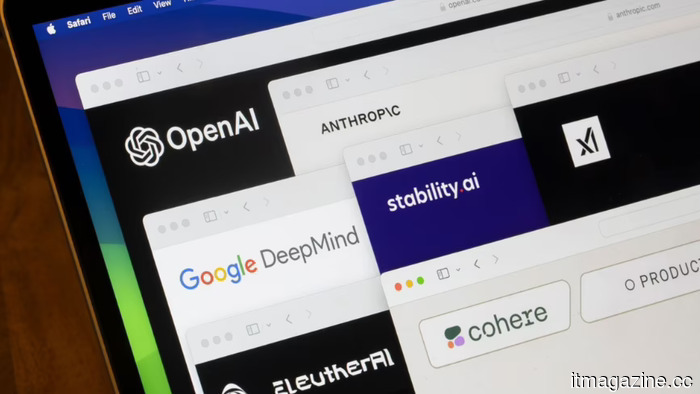
Anthropic and Google DeepMind proposed a US-led AI coalition at the G7, and Canada agreed.
Dario Amodei of Anthropic and Demis Hassabis of Google DeepMind proposed the idea of a US-led AI coalition during a private lunch at the G7 summit, according to two sources familiar with the discussions who spoke to CNBC under anonymity. Mark Carney, the Canadian Prime Minister, expressed support for the US taking the lead in this coalition. The meeting was held in Évian-les-Bains, France, on the last day of the three-day summit and included around a dozen tech executives alongside the G7 leaders, including President Donald Trump and other high-ranking officials.
Amodei suggested that key areas for international collaboration should encompass structured access to advanced AI models and the trade of chips and critical components, excluding China. He also emphasized the need for countries to work together to mitigate AI-related risks in cyber operations, bioterrorism, and intelligence.
Sam Altman, CEO of OpenAI, called for the establishment of an international forum aimed at creating globally accepted testing standards and facilitating cooperation among nations. Chris Lehane, OpenAI’s global affairs chief, noted that non-US leaders present recognized that the US could be instrumental in developing AI standards.
Anthropic declined to comment on the discussions, while Google DeepMind and the Canadian Prime Minister's office did not respond to requests for comments.
The meeting did not yield any binding commitments or regulatory announcements, with multiple reports indicating it was more of a discussion than a negotiation. Historically, the G7's efforts on AI governance, from the Hiroshima AI Process in 2023 to Canada’s upcoming presidency, have produced principles and ethical guidelines but no enforceable regulations.
This push for a coalition is significant, especially considering Anthropic is currently in negotiations with the Trump administration following the US government's export controls imposed on its Fable 5 and Mythos 5 models due to national security concerns. The company had to disable these models worldwide to comply, with discussions ongoing as of Monday.
Amodei advocated for US leadership in international AI governance shortly after the government had forced his company’s products offline, highlighting the tension between AI companies' desire to be seen as vital partners in technology competition and the constraints imposed by the government.
The tech attendees represented a wide variety of companies beyond the three major US labs, including leaders from firms like Mistral, Cohere, Black Forest Labs, Synthesia, Salesforce, and Meta, along with representatives from Italy, India, and Japan, mirroring France’s aim to frame the AI dialogue as global rather than strictly American.
Cybersecurity was a key theme during the discussions, as OpenAI had recently introduced GPT-5.5 Cyber for select cybersecurity teams, and Anthropic’s Mythos model had earlier been restricted for use by cybersecurity defenders. Both companies contend that advanced AI models are more beneficial when used defensively, a stance complicated by government actions.
The formation of a US-led coalition will depend on various factors beyond this single meeting. The Trump administration’s readiness to act unilaterally against perceived AI security threats may hinder the collaborative framework envisioned by Amodei and Hassabis. Additionally, several G7 nations, including France and broader EU entities, have already begun to pursue their own AI regulatory approaches independent of US leadership.
What this meeting underscored is that the chief executives of leading AI companies now view international governance as an area where they need to exert influence rather than oppose. The key question remains whether the governments involved, some of which have already implemented their own controls, will allow this to happen.
Other articles
 Mastodon introduces email newsletters, allowing individuals without an account to follow creators on the open social web.
Mastodon 4.6 enables creators to send posts to email subscribers who lack fediverse accounts. This feature is designed for institutions and independent publishers.
Mastodon introduces email newsletters, allowing individuals without an account to follow creators on the open social web.
Mastodon 4.6 enables creators to send posts to email subscribers who lack fediverse accounts. This feature is designed for institutions and independent publishers.
 FTC halts extensive subscription business operating through shell companies in Cyprus and Delaware.
The FTC has secured a court order to freeze Genesis Tech, a group of 15 companies responsible for apps such as Nebula and MadMuscles, due to misleading subscription practices.
FTC halts extensive subscription business operating through shell companies in Cyprus and Delaware.
The FTC has secured a court order to freeze Genesis Tech, a group of 15 companies responsible for apps such as Nebula and MadMuscles, due to misleading subscription practices.
 Allbirds changes its name to Smartbird as it shifts focus to AI.
The wool sneaker company has successfully transitioned to an AI infrastructure model, appointing a new CEO and increasing its funding to $100 million. Currently, it has no customers or data centers.
Allbirds changes its name to Smartbird as it shifts focus to AI.
The wool sneaker company has successfully transitioned to an AI infrastructure model, appointing a new CEO and increasing its funding to $100 million. Currently, it has no customers or data centers.
 France ends EDF's monopoly on hydropower with new auction legislation.
The French Parliament passed a legislation that changes EDF's hydropower concessions into permits and mandates annual auctions of 6 GW. Reports suggest that EDF intends to invest 4.5 billion euros in new pumped-hydro projects.
France ends EDF's monopoly on hydropower with new auction legislation.
The French Parliament passed a legislation that changes EDF's hydropower concessions into permits and mandates annual auctions of 6 GW. Reports suggest that EDF intends to invest 4.5 billion euros in new pumped-hydro projects.
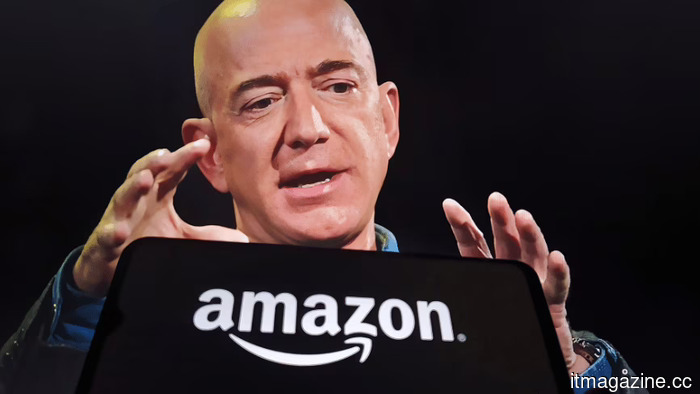 The head of Amazon AI acknowledges that their models fall behind those of OpenAI and Anthropic.
Peter DeSantis states that Amazon's AI models "haven't been at the forefront" and expresses optimism about bridging the gap within a year, using custom chips and exclusive data.
The head of Amazon AI acknowledges that their models fall behind those of OpenAI and Anthropic.
Peter DeSantis states that Amazon's AI models "haven't been at the forefront" and expresses optimism about bridging the gap within a year, using custom chips and exclusive data.
 Mastodon introduces email newsletters, allowing those who prefer not to have an account to still keep up with creators on the open social web.
Mastodon 4.6 allows creators to send posts to email subscribers who do not possess fediverse accounts. This feature is aimed at institutions and independent publishers.
Mastodon introduces email newsletters, allowing those who prefer not to have an account to still keep up with creators on the open social web.
Mastodon 4.6 allows creators to send posts to email subscribers who do not possess fediverse accounts. This feature is aimed at institutions and independent publishers.
Anthropic and Google DeepMind proposed a US-led AI coalition at the G7, and Canada agreed.
At a private G7 lunch with Trump and other world leaders, Dario Amodei and Demis Hassabis suggested a US-led coalition to establish AI regulations. However, no binding agreements were reached.