
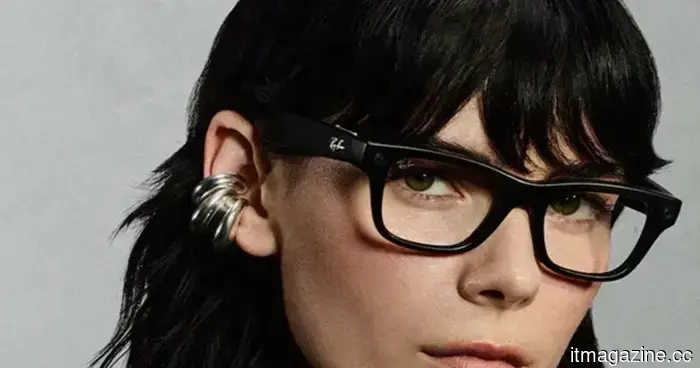
Smart glasses face issues with charging, and wireless power is on its way to address this problem.
Smart glasses continue to face a charging challenge, clearly evident in their design. Charging hardware can disrupt the perception of AI eyewear being genuine eyewear, particularly when visible metal pins or bulky charging docks affect the frame’s aesthetics.
NuCurrent is presenting a more streamlined approach to charging smart glasses at AWE. Its Fast Frames system utilizes NFC wireless power, operates on Snapdragon XR platforms, and integrates into a Ray-Ban Meta style design without altering the outer appearance of the frames.
The speed of the demonstration adds impact. NuCurrent claims that Fast Frames can charge to 50% in just 20 minutes, comparable to traditional exposed pin charging, all while keeping the device sealed for everyday use.
How does charging become inconspicuous?
Fast Frames eliminates the visible charging contacts that often make smart glasses appear unfinished. For eyewear, any hardware compromise is easily noticeable. The battery issue isn’t tucked away in a pocket or sitting on a nightstand; it’s on someone's face.
By integrating power into the frame, NuCurrent provides designers with greater flexibility to create glasses that look conventional rather than having to shape them around a charging interface. This is the true advantage for consumers—AI glasses that don’t ostentatiously display their charging method whenever worn.
Why is a single power layer beneficial?
NuCurrent is also looking beyond a single prototype. The company asserts that the same wireless power layer can be utilized across various Snapdragon XR platforms, allowing manufacturers to implement a consistent charging design for different frame styles.
In a category still exploring various designs, shapes, and identities, consistency is crucial. Eyewear brands can experiment with more styles without facing power as a new engineering hurdle each time.
This principle applies to other personal AI devices as well, such as pendants, earbuds, rings, and wearable tech. The challenge lies in adoption. A reference design requires device manufacturers to create products around it.
When will this become standard?
Efforts toward establishing standards are a strong indication that wireless charging for smart glasses may soon translate into actual products. NuCurrent holds a board position at the NFC Forum, contributes to Qi2 initiatives, and claims its technology is already in use through companies like NXP, Infineon, Renesas, and STMicroelectronics.
This ecosystem provides more credibility than a solitary booth demonstration. It also clarifies why wireless charging is becoming a part of the wider discussion around personal AI devices, spanning eyewear, rings, and wearables.
While NFC charging shouldn't be assumed as a given for the next generation of AI glasses, the trajectory is evident. The smart glasses market requires designs that appear normal, endure daily use, and recharge without obstructive hardware. These are the developments to observe as these devices transition from prototypes to retail availability.
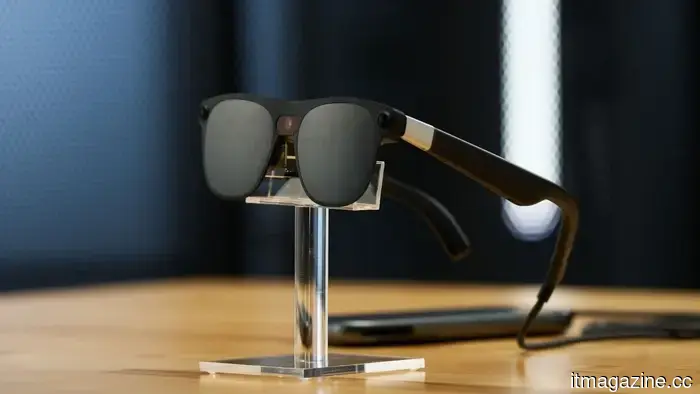

Other articles
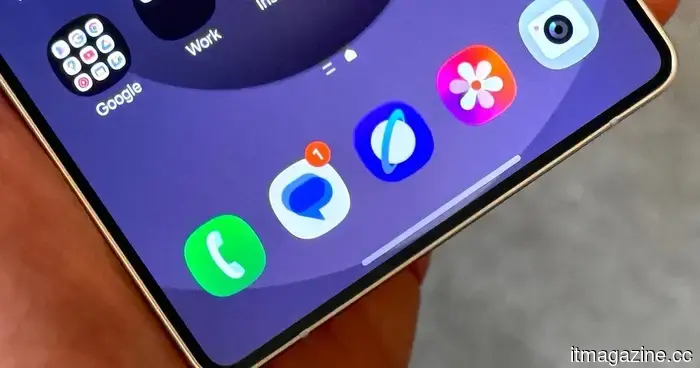 Google Messages may soon introduce a tool to help users identify AI-generated images in their conversations.
Google is integrating a C2PA image detection feature into Messages that will provide users with comprehensive labels regarding the creation process of a shared photo.
Google Messages may soon introduce a tool to help users identify AI-generated images in their conversations.
Google is integrating a C2PA image detection feature into Messages that will provide users with comprehensive labels regarding the creation process of a shared photo.
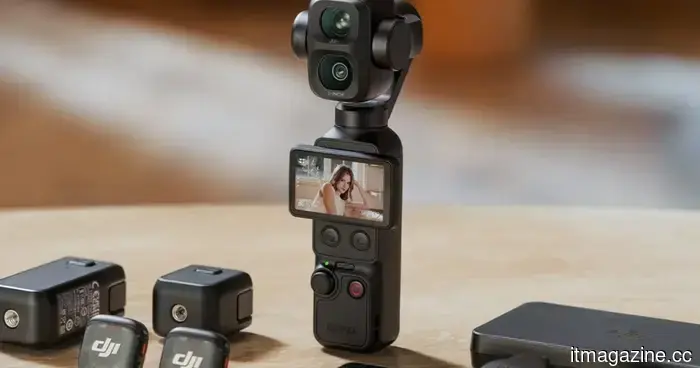 The DJI Osmo Pocket 4P features two cameras and a 1,000-nit OLED display.
The Osmo Pocket 4P is DJI's most advanced pocket gimbal to date, priced at approximately $562 in China, although there is currently no announcement regarding its global release timeline.
The DJI Osmo Pocket 4P features two cameras and a 1,000-nit OLED display.
The Osmo Pocket 4P is DJI's most advanced pocket gimbal to date, priced at approximately $562 in China, although there is currently no announcement regarding its global release timeline.
 Estonia will assign ID numbers to AI agents.
Estonia has announced that it will be the first nation to assign personal ID numbers to AI agents, allowing individuals to avoid sharing their complete digital identity with a bot to represent them.
Estonia will assign ID numbers to AI agents.
Estonia has announced that it will be the first nation to assign personal ID numbers to AI agents, allowing individuals to avoid sharing their complete digital identity with a bot to represent them.
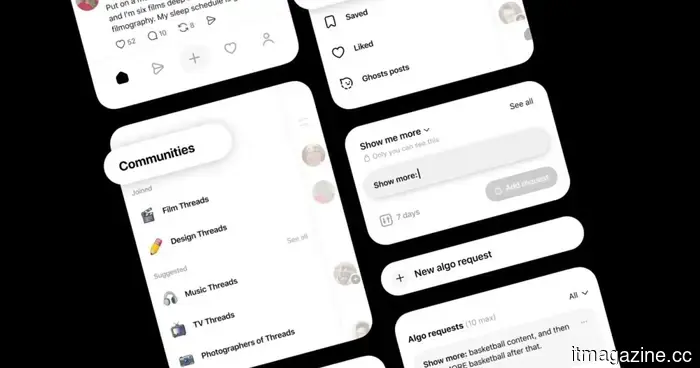 Threads simplifies the process of discovering your community and filtering out content you prefer not to view.
Threads is introducing enhancements to its Communities feature along with a new feed personalization tool named Your Algo.
Threads simplifies the process of discovering your community and filtering out content you prefer not to view.
Threads is introducing enhancements to its Communities feature along with a new feed personalization tool named Your Algo.
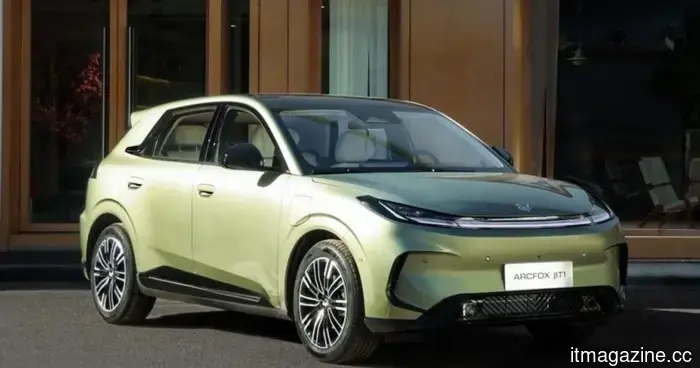 Mercedes' Chinese partner has created an electric vehicle that is priced below $10,000 and has a surprisingly stylish appearance.
The electric vehicle features a 15.6-inch display, Apple CarPlay, a dashcam, and offers a range of 450km. However, it will not be available in the US. That sums up the entire information.
Mercedes' Chinese partner has created an electric vehicle that is priced below $10,000 and has a surprisingly stylish appearance.
The electric vehicle features a 15.6-inch display, Apple CarPlay, a dashcam, and offers a range of 450km. However, it will not be available in the US. That sums up the entire information.
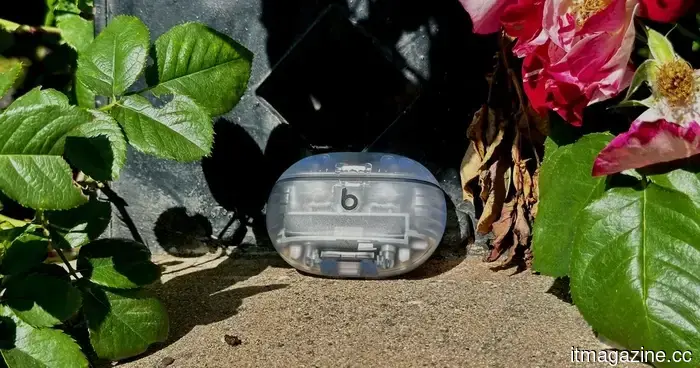 Beats Studio Buds receive an important update to address a concerning microphone issue.
The newest firmware update for Apple's Beats Studio Buds addresses a Bluetooth microphone issue related to pairing mode, providing users with a good reason to verify if version 1B211 has been installed on their earbuds.
Beats Studio Buds receive an important update to address a concerning microphone issue.
The newest firmware update for Apple's Beats Studio Buds addresses a Bluetooth microphone issue related to pairing mode, providing users with a good reason to verify if version 1B211 has been installed on their earbuds.
Smart glasses face issues with charging, and wireless power is on its way to address this problem.
NuCurrent's Fast Frames demonstration highlights a more efficient method for charging smart glasses, utilizing NFC wireless power to eliminate exposed contacts. This innovation keeps AI eyewear sealed, allows for quick recharging, and simplifies scalability across various designs.