
Intel advances 18A-P into risk production to validate its manufacturing capabilities.
On Tuesday, Intel announced that the next version of its 18A manufacturing process, named 18A-P, has begun risk production. This phase involves running the process on actual hardware to validate its functionality before moving on to mass production.
This announcement focuses more on a commitment that Intel has struggled to uphold over the years: maintaining its ability to produce cutting-edge silicon on schedule in the United States and offering this capability to other companies.
The advancements presented with 18A-P are incremental rather than groundbreaking, as expected from an improved version of an existing node. Intel claims that, compared to the foundational 18A process, the 18A-P offers 9% better performance at the same power consumption or 18% lower power usage at the same speed, along with enhanced thermal management and greater design flexibility.
These improvements are crucial for the customers Intel is keen to attract, as they weigh the option of trusting Intel with their designs.
That's the target audience here. Intel has invested significant resources and credibility into developing its foundry division into a legitimate competitor to TSMC, with mixed results and considerable losses, and 18A is intended to be the turning point.
Advancing this successor to risk production is a key milestone that allows Intel to argue it is making progress rather than just making promises, a difference that external customers have become cautious about after years of setbacks.
In conjunction with the process announcement, Intel unveiled the Core Ultra Series 3, which it claims is its first AI PC platform built on the 18A node and designed and manufactured in the U.S.
The domestic manufacturing initiative is methodical and intentional. Intel operates the only advanced fabrication facility on American soil, a position that has attracted both a U.S. government equity investment and the attention of potential customers seeking alternatives to complete dependence on Taiwan.
This overture has been evident throughout the year. Apple has engaged in preliminary discussions with Intel and Samsung about obtaining a second source for some processors, while Google and Nvidia have reportedly considered Intel as a backup to TSMC. Additionally, the company has partnered with Elon Musk’s $25 billion Terafab project as a foundry partner.
However, none of this translates into revenue until the manufacturing capabilities deliver, which is precisely what Tuesday’s announcement aims to showcase.
The broader context involves a company that has undergone significant transformation in the past year. The U.S. government has taken a substantial equity position, Nvidia has made investments, and Intel has reorganized its foundry operations into a separate subsidiary, focusing its engineering efforts on 18A as the first state-of-the-art logic process entirely developed in the United States.
These actions were partly intended to instill confidence in external customers that Intel’s manufacturing division would still be operational and progressing by the time their chips were ready for production.
However, there is a cautionary note looking ahead. Intel has indicated that it might pause or abandon its pursuit of 14A and other next-generation processes if it fails to secure sufficient committed demand, underscoring that the foundry strategy is conditional and not guaranteed.
The entry of 18A-P into risk production is a significant development. The crucial question remains whether it will convince a high-profile customer to commit, something that the chip itself cannot resolve.
Other articles
 Telegram contests India's directive that temporarily restricts the app.
Telegram has approached the Delhi High Court regarding a government directive that has blocked the platform until June 22, in connection with alleged cheating on India's NEET-UG medical examination.
Telegram contests India's directive that temporarily restricts the app.
Telegram has approached the Delhi High Court regarding a government directive that has blocked the platform until June 22, in connection with alleged cheating on India's NEET-UG medical examination.
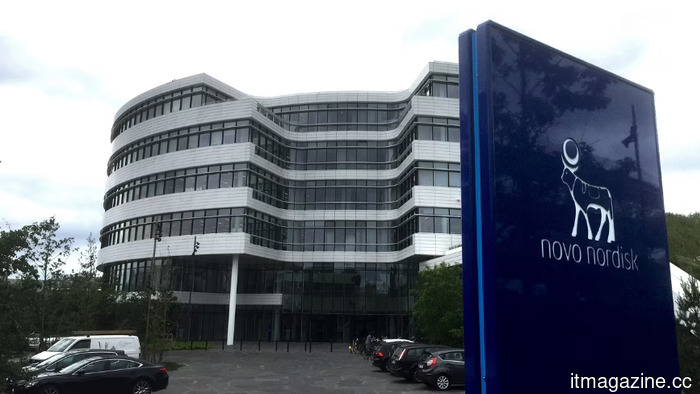 A hacking group alleges that it has infiltrated Novo Nordisk and is requesting $25 million.
FulcrumSec claims to have stolen 1.3TB from Novo Nordisk and has demanded $25 million. The manufacturer of Ozempic has acknowledged the breach but has declined to make the payment.
A hacking group alleges that it has infiltrated Novo Nordisk and is requesting $25 million.
FulcrumSec claims to have stolen 1.3TB from Novo Nordisk and has demanded $25 million. The manufacturer of Ozempic has acknowledged the breach but has declined to make the payment.
 Intel advances 18A-P into risk production to demonstrate its manufacturing capabilities.
Intel has announced that the next version of its 18A process has begun risk production, asserting a 9% increase in performance as it aims to attract external foundry clients.
Intel advances 18A-P into risk production to demonstrate its manufacturing capabilities.
Intel has announced that the next version of its 18A process has begun risk production, asserting a 9% increase in performance as it aims to attract external foundry clients.
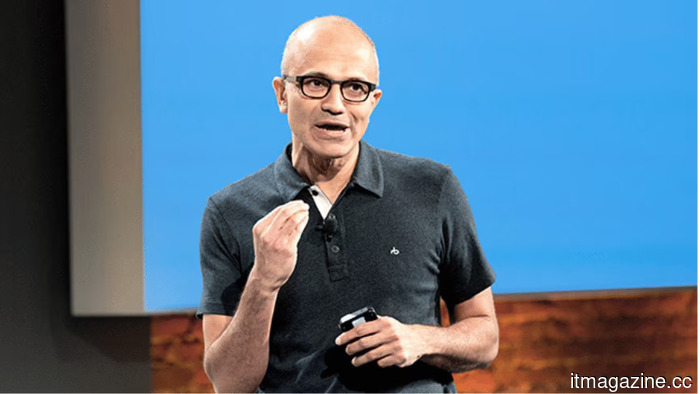 Shareholders have filed a lawsuit against Microsoft regarding the slowdown in Azure and its expenditures on artificial intelligence.
A pension fund from Michigan has accused Microsoft of hiding a slowdown in Azure and rising AI expenses prior to a January decline that led to a loss of $357 billion in market value.
Shareholders have filed a lawsuit against Microsoft regarding the slowdown in Azure and its expenditures on artificial intelligence.
A pension fund from Michigan has accused Microsoft of hiding a slowdown in Azure and rising AI expenses prior to a January decline that led to a loss of $357 billion in market value.
.jpg) What Distinguishes Success from Failure in AI Implementation (Insights from Automotive Retail)
Dek: AI necessitates a commitment to responsibility and purposeful use. Below are illustrations of how car retailers are applying AI successfully and securely. Recall the classic Spider-Man saying? The one his Uncle Ben imparts (or Aunt May in the latest films) regarding how "with great power comes great responsibility"? If there was ever a […]
What Distinguishes Success from Failure in AI Implementation (Insights from Automotive Retail)
Dek: AI necessitates a commitment to responsibility and purposeful use. Below are illustrations of how car retailers are applying AI successfully and securely. Recall the classic Spider-Man saying? The one his Uncle Ben imparts (or Aunt May in the latest films) regarding how "with great power comes great responsibility"? If there was ever a […]
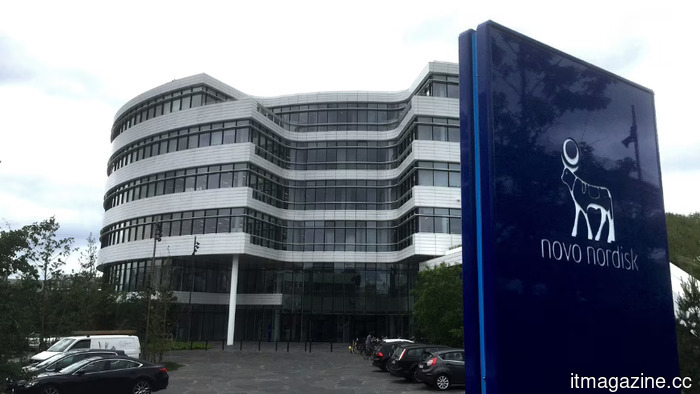 A hacking group has asserted that it infiltrated Novo Nordisk and is requesting a ransom of $25 million.
FulcrumSec claims to have extracted 1.3TB of data from Novo Nordisk and is requesting $25 million. The manufacturer of Ozempic acknowledged the breach but declined to make any payment.
A hacking group has asserted that it infiltrated Novo Nordisk and is requesting a ransom of $25 million.
FulcrumSec claims to have extracted 1.3TB of data from Novo Nordisk and is requesting $25 million. The manufacturer of Ozempic acknowledged the breach but declined to make any payment.
Intel advances 18A-P into risk production to validate its manufacturing capabilities.
Intel announced that the next version of its 18A process has commenced risk production, reporting a 9% increase in performance while pursuing external foundry clients.