
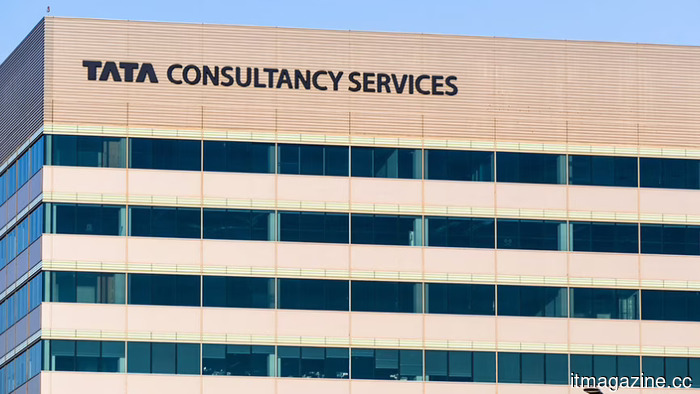
TCS incurs a $70 million loss as the US Supreme Court dismisses its appeal.
Tata Consultancy Services will record a one-time charge of $70 million following the US Supreme Court's decision not to hear its appeal in a trade-secrets case, as announced by the Indian IT firm. The court's refusal, made on June 15, concludes the last legal option in a case that dates back to 2019, maintaining the lower-court ruling.
The dispute involves DXC Technology, and it is important to clarify this, as TCS has faced multiple US trade-secrets cases that can easily be mixed up. This particular case originated from a 2019 lawsuit initiated by a predecessor of DXC, Computer Sciences Corporation, which accused TCS of using insider information to create a competing life-insurance platform. By rejecting the appeal, the Supreme Court upheld a damages award against TCS.
The accounting follows from this legal setback. TCS stated that its total exposure in the matter has now reached approximately $220 million, which includes damages, interest, and costs. Having already reserved $150 million, it plans to record the additional $70 million as a one-time exceptional charge in the first quarter of its financial year 2027. While the impact is significant, it is manageable; for a company of TCS's magnitude, it will be a blemish for the quarter rather than a fundamental issue.
What this ruling takes away is the option for further recourse. A petition to the Supreme Court represents the last chance in the US legal system, and its denial means there are no other courts to approach.
The provisions TCS made in advance indicate the company anticipated this outcome; the additional charge effectively turns a contingent liability into a confirmed one. This case serves as a reminder of the legal risks that Indian IT-service leaders face in their largest market. These firms develop and operate software for American clients on a massive scale, and disputes about knowledge ownership and the distinction between skills transferred during employment and trade secrets are common occurrences in the industry. A multi-million dollar judgment exemplifies the costly nature of that risk.
This timing coincides with the Indian IT-services sector adjusting to weakened demand and the impact of AI on traditional outsourcing methods, a similar strain that is causing a broader wave of tech layoffs throughout the industry.
While a $70 million exceptional charge won't significantly affect TCS's overall financials given the company's size, it is the type of one-off expense that attracts attention during a quarter when investors are already vigilant for signs of stress among major firms. The company will acknowledge this charge and move forward, but it emerges during a period of careful observation.
For TCS, the practical implication is a charge it has been largely prepared for and a resolution to a six-year conflict. The company has not indicated any further options, since there are none left in the US judicial system after the Supreme Court's decision. As of Monday, the matter is resolved.
Other articles
 Italy's antitrust authority initiates an investigation into Apple's cloud services.
Italy's AGCM has launched an investigation into Apple regarding its cloud services, which are being scrutinized in accordance with the EU's Digital Markets Act.
Italy's antitrust authority initiates an investigation into Apple's cloud services.
Italy's AGCM has launched an investigation into Apple regarding its cloud services, which are being scrutinized in accordance with the EU's Digital Markets Act.
 DeepSeek completes a funding round exceeding $7 billion with a unique structure.
DeepSeek has secured its initial external funding, exceeding $7 billion, with founder Liang Wenfeng contributing a controlling stake and Tencent and CATL being the primary investors.
Florida initiates legal action against TikTok regarding its law on social media for children.
Florida's attorney general has taken legal action against TikTok, claiming that the platform violated the state's law regarding social media for those under 16 and deceived parents. This marks the first significant enforcement measure under HB 3.
DeepSeek completes a funding round exceeding $7 billion with a unique structure.
DeepSeek has secured its initial external funding, exceeding $7 billion, with founder Liang Wenfeng contributing a controlling stake and Tencent and CATL being the primary investors.
Florida initiates legal action against TikTok regarding its law on social media for children.
Florida's attorney general has taken legal action against TikTok, claiming that the platform violated the state's law regarding social media for those under 16 and deceived parents. This marks the first significant enforcement measure under HB 3.
 India has banned Telegram until June 22 due to ongoing medical exam cheating schemes.
India has placed a temporary ban on Telegram until 22 June, referring to channels that are marketing unauthorized access to a NEET-UG re-examination. Additionally, there is a separate directive to turn off the message editing feature.
India has banned Telegram until June 22 due to ongoing medical exam cheating schemes.
India has placed a temporary ban on Telegram until 22 June, referring to channels that are marketing unauthorized access to a NEET-UG re-examination. Additionally, there is a separate directive to turn off the message editing feature.
 Samsung unveils the Galaxy Book6 Edge, equipped with Snapdragon X2 Elite and enhanced Galaxy AI features.
Samsung has introduced the Galaxy Book6 Edge featuring Qualcomm's Snapdragon X2 Elite chip, Galaxy AI capabilities, and a slender design optimized for Copilot+ experiences.
Samsung unveils the Galaxy Book6 Edge, equipped with Snapdragon X2 Elite and enhanced Galaxy AI features.
Samsung has introduced the Galaxy Book6 Edge featuring Qualcomm's Snapdragon X2 Elite chip, Galaxy AI capabilities, and a slender design optimized for Copilot+ experiences.
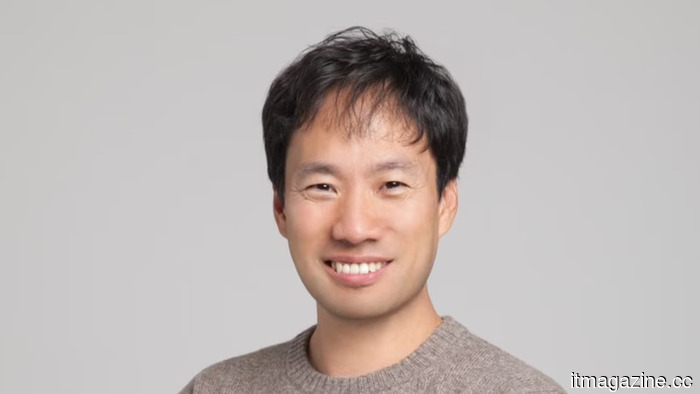 The head of Upstage claims that restrictions on anthropocentric AI support the argument for sovereign AI.
Upstage CEO Sung Kim states that the US order limiting Anthropic’s leading models demonstrates the necessity for South Korea to develop its own sovereign AI that cannot be isolated from.
The head of Upstage claims that restrictions on anthropocentric AI support the argument for sovereign AI.
Upstage CEO Sung Kim states that the US order limiting Anthropic’s leading models demonstrates the necessity for South Korea to develop its own sovereign AI that cannot be isolated from.
TCS incurs a $70 million loss as the US Supreme Court dismisses its appeal.
India's TCS will incur a $70 million charge following the refusal of the US Supreme Court to consider its appeal in a trade-secrets case involving DXC Technology.