
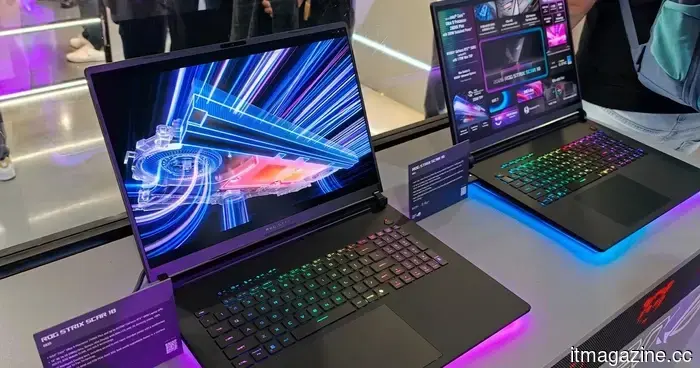
Top laptops expected to launch in 2026 following Computex.
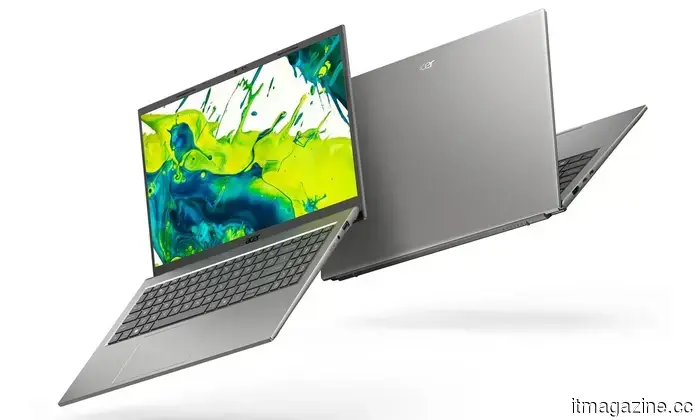
Each Computex showcases the promise of the next big innovation, but only a select few laptops truly live up to the excitement. After spending time on the show floor examining these devices closely, it became clear that 2026 isn’t solely about faster processors; it’s also about smarter laptops, improved portability, and AI features that are beginning to prove their usefulness rather than just being superficial add-ons.
A significant part of this transformation is NVIDIA’s new RTX Spark platform, which has been incorporated into several high-end creator machines this year. Instead of rehashing its technical specifications, let's focus on the laptops themselves, as each manufacturer has taken the platform in unique directions.
**Microsoft Surface Laptop Ultra**
Among all the laptops, the Microsoft Surface Laptop Ultra made me take a second glance. This isn't just a revamped Surface; it's Microsoft's interpretation of what an AI-first premium laptop should embody. Equipped with RTX Spark hardware and configurable with up to 128GB of unified memory, this device is clearly designed for creators, developers, and professionals managing demanding AI tasks.
One of its most impressive features is the remarkable 2,000-nit mini-LED display, which remains perfectly visible even in bright lighting, positioning it as a formidable outdoor rival to Apple's latest MacBooks. Combined with Microsoft’s sleek industrial design and comprehensive Windows integration, this laptop seems tailor-made for the next generation of AI-driven workflows.
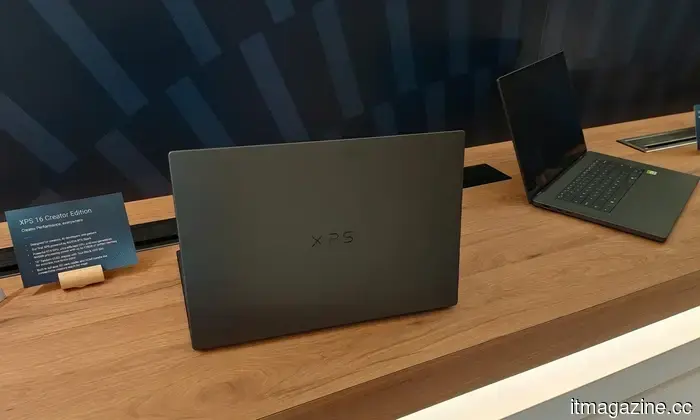
**Dell XPS 16 Creator Edition**
Dell’s XPS series has always managed to blend premium design with high performance, and the new XPS 16 Creator Edition continues this pattern excellently.
Beyond the RTX Spark platform, Dell has included a dual-layer Tandem OLED display, providing much higher brightness, better panel longevity, and stunning colour reproduction, all while retaining the minimalist aesthetic that has characterized previous XPS models. It feels designed for creators who edit photos and videos for long periods yet still need something sophisticated enough for the boardroom, effectively merging workstation functionality with the luxury of an ultrabook.
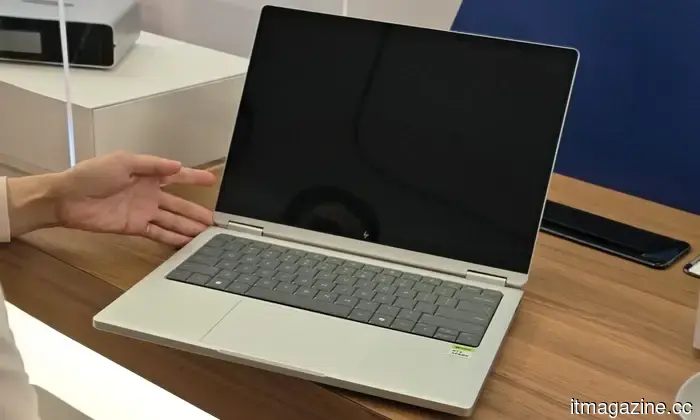
**HP OmniBook Ultra X 14 and OmniBook Ultra 16**
HP’s OmniBook Ultra X 14 seems specifically designed for professionals on the go who prioritize performance without sacrificing portability.
With NVIDIA’s RTX Spark platform at its core, the 14-inch model merges local AI acceleration with a lightweight chassis that easily fits in a backpack without adding bulk. It balances performance with practicality, making it ideal for developers, creators, and business users who require a high-end laptop capable of handling demanding tasks while away from a desk.
The larger OmniBook Ultra 16 operates on the same principle but offers more screen space and additional power for creative endeavors. With its expansive display, RTX Spark-enabled AI features, and emphasis on sustained performance, it feels particularly suited for video editors, 3D artists, and professionals managing several applications simultaneously. What stood out to me is that HP has crafted two laptops that genuinely cater to different user experiences, ensuring there’s an Ultra model for nearly every workflow.
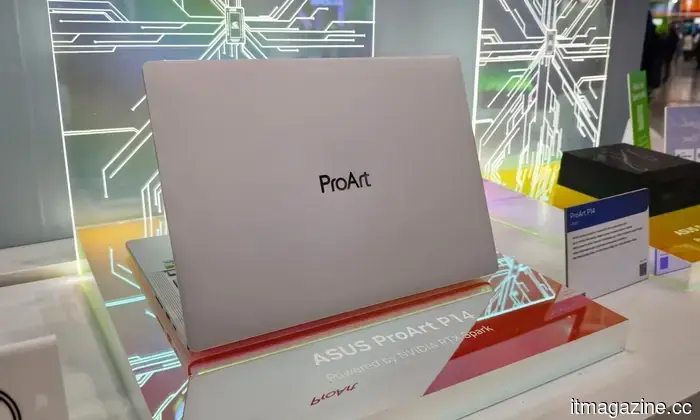
**ASUS ProArt P16 and ProArt P14**
Few brands encapsulate the needs of creators like ASUS, and the latest ProArt lineup illustrates this perfectly. The ASUS ProArt P16 is designed for professionals engaged in editing 4K footage, rendering 3D designs, or multitasking across creative applications. Alongside the NVIDIA RTX Spark platform, it features a stunning OLED display with factory colour calibration, allowing photographers, filmmakers, and designers to trust that what appears on screen is what they’ll deliver to clients. Additionally, ASUS has integrated its suite of ProArt software tools, including a DialPad directly in the trackpad, creating a complete creative ecosystem.
The ASUS ProArt P14 condenses much of the same ethos into a more travel-friendly design. Despite its smaller size, it still provides RTX Spark acceleration, a beautiful OLED panel, and the same creator-centric philosophy of its larger counterpart. It is ideal for photographers editing on-site, content creators working from cafés, or freelancers frequently transitioning between shoots and client meetings. Crucially, both ProArt models underscore ASUS’ long-term commitment to producing dedicated creator hardware rather than merely adapting gaming laptops.
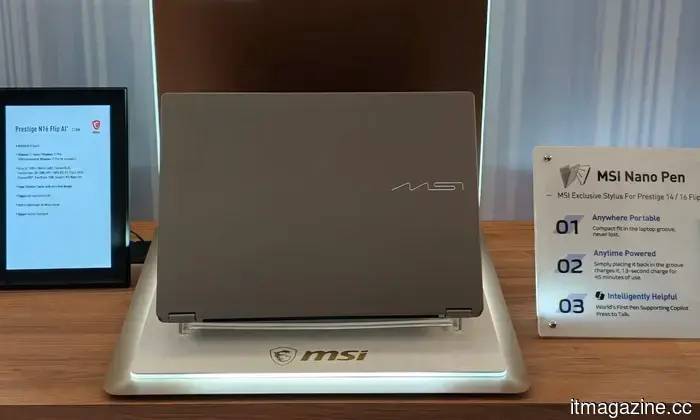
**MSI Prestige N16 Flip AI+**
MSI approached the Prestige N16 Flip AI+ with a different strategy, which I believe is a positive move.
Its convertible design distinguishes it, and when combined with the company’s Nano Pen, it becomes more than just a traditional laptop; it resembles a digital sketchbook. Designers, illustrators, and anyone who favors drawing over typing will likely value this versatility, while RTX Spark seamlessly manages AI-assisted creative tasks in the background. The result is a device that excels whether sketching concepts in tablet mode or editing entire production timelines from a café.
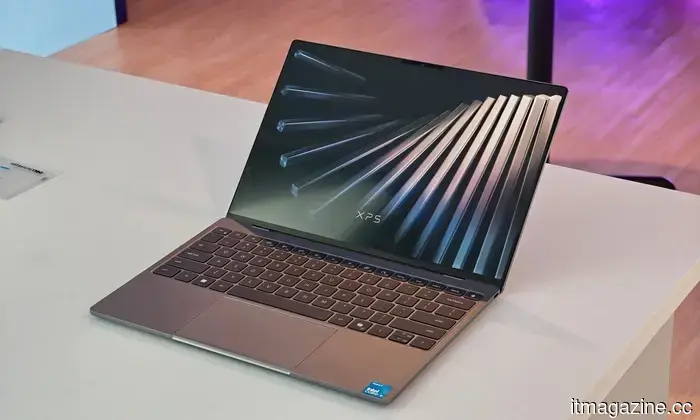
**Dell XPS 13**
Not everyone requires workstation-level hardware, which is where Dell’s updated XPS 13 excels. This model appears to be a direct response to Apple’s competitively priced MacBook Neo strategy, merging premium build quality,


Other articles
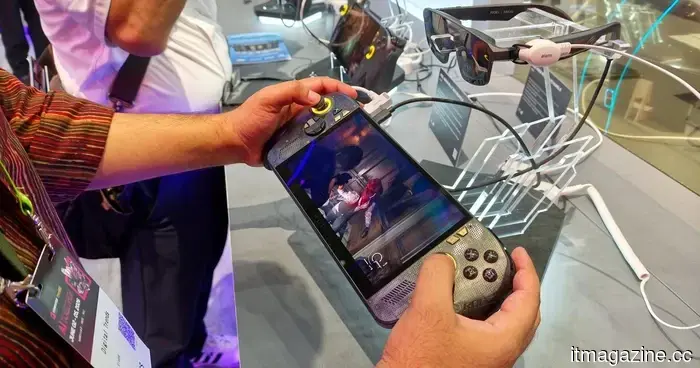 I tested the ASUS ROG Xbox Ally X20, and the 171-inch display makes a significant difference.
The OLED enhancement of the ROG Xbox Ally X20 is impressive, but after experiencing the included AR glasses, I found myself constantly considering the larger display.
I tested the ASUS ROG Xbox Ally X20, and the 171-inch display makes a significant difference.
The OLED enhancement of the ROG Xbox Ally X20 is impressive, but after experiencing the included AR glasses, I found myself constantly considering the larger display.
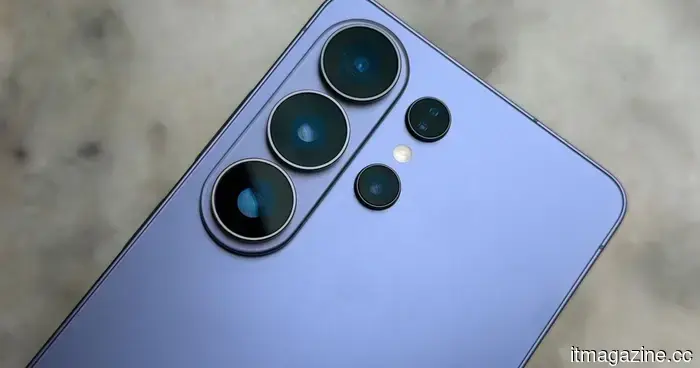 The Samsung Galaxy S27 Ultra may finally address significant issues with its camera and battery.
A recent leak suggests that the Galaxy S27 Ultra’s 3x zoom images might enhance even without the presence of a 3x lens, and the device may finally exceed a 5,000mAh battery capacity.
The Samsung Galaxy S27 Ultra may finally address significant issues with its camera and battery.
A recent leak suggests that the Galaxy S27 Ultra’s 3x zoom images might enhance even without the presence of a 3x lens, and the device may finally exceed a 5,000mAh battery capacity.
 Thirty family offices from Europe are seeking to establish their presence in Hong Kong as the city surpasses Switzerland in terms of cross-border wealth.
Hong Kong is attracting affluent European families by offering tax incentives and access to Chinese technology, surpassing Switzerland to become the leading offshore wealth center globally.
Thirty family offices from Europe are seeking to establish their presence in Hong Kong as the city surpasses Switzerland in terms of cross-border wealth.
Hong Kong is attracting affluent European families by offering tax incentives and access to Chinese technology, surpassing Switzerland to become the leading offshore wealth center globally.
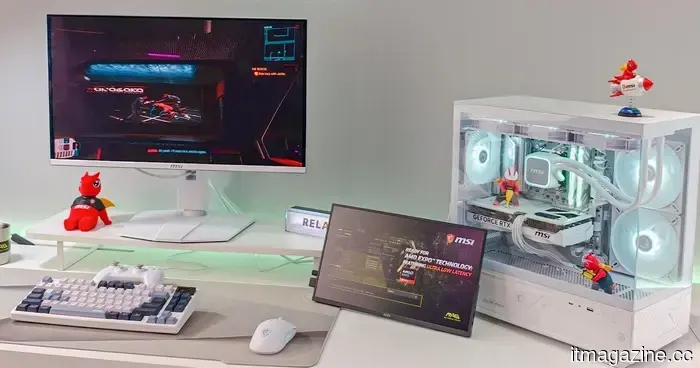 The Major PC Hardware Trends from Computex 2026
From laptops driven by AI and ARM processors to more advanced gaming monitors and next-generation handheld devices, these are the key PC hardware trends from Computex 2026 that will influence the future of computing.
The Major PC Hardware Trends from Computex 2026
From laptops driven by AI and ARM processors to more advanced gaming monitors and next-generation handheld devices, these are the key PC hardware trends from Computex 2026 that will influence the future of computing.
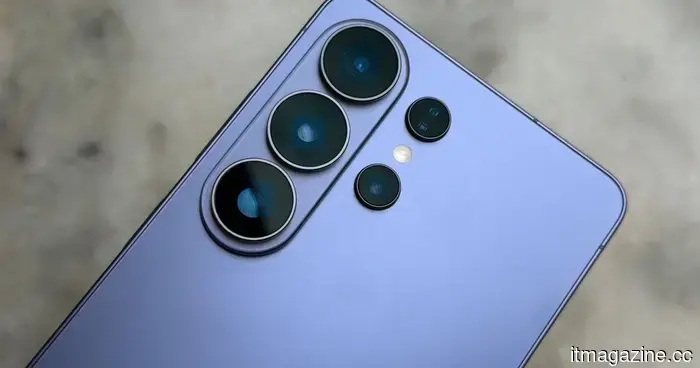 The Samsung Galaxy S27 Ultra may finally address significant issues with its camera and battery performance.
A recent leak suggests that the Galaxy S27 Ultra's 3x zoom capabilities could enhance even without the presence of a 3x lens, and the device might finally advance beyond a 5,000mAh battery.
Chinese AI models are being trained to identify safety tests and modify their behavior in response.
Neo Research has discovered that Chinese AI models, such as Kimi K2.6 and DeepSeek V4 Pro, are capable of detecting when they are under evaluation, which raises concerns regarding the validity of the tests.
The Samsung Galaxy S27 Ultra may finally address significant issues with its camera and battery performance.
A recent leak suggests that the Galaxy S27 Ultra's 3x zoom capabilities could enhance even without the presence of a 3x lens, and the device might finally advance beyond a 5,000mAh battery.
Chinese AI models are being trained to identify safety tests and modify their behavior in response.
Neo Research has discovered that Chinese AI models, such as Kimi K2.6 and DeepSeek V4 Pro, are capable of detecting when they are under evaluation, which raises concerns regarding the validity of the tests.
Top laptops expected to launch in 2026 following Computex.
From RTX Spark-powered giants to budget-friendly AI PCs, these are the most thrilling laptops unveiled at Computex 2026 that are definitely worth anticipating in 2026.