
Online payments are diminishing the appeal of one of America's premier tourist destinations.
One of America's final analog tourism practices has now entered the cashless economy.
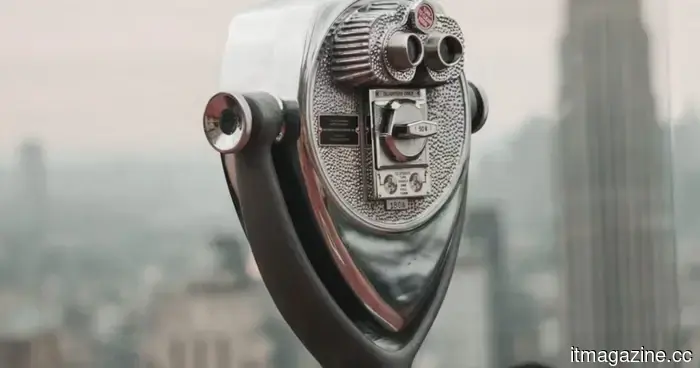
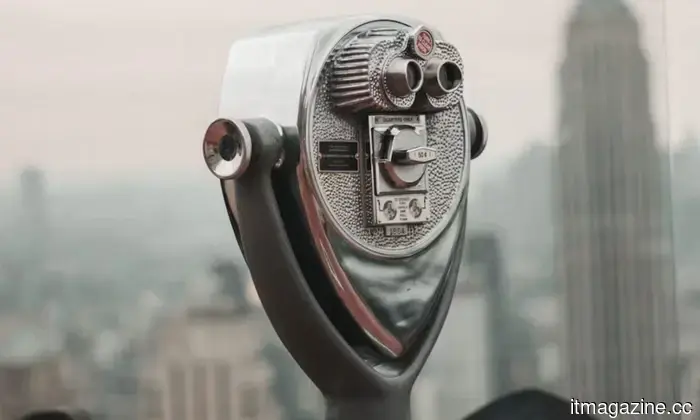
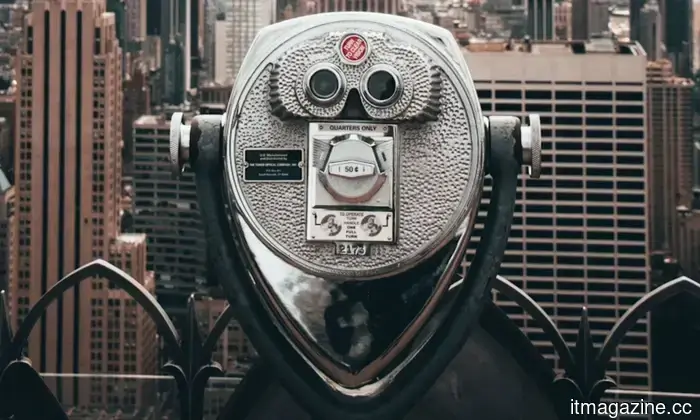
We are all familiar with those heavy, coin-operated binoculars found at scenic viewpoints across America, from the Empire State Building to the Grand Canyon. It has been revealed that they will soon support tap-to-pay transactions.
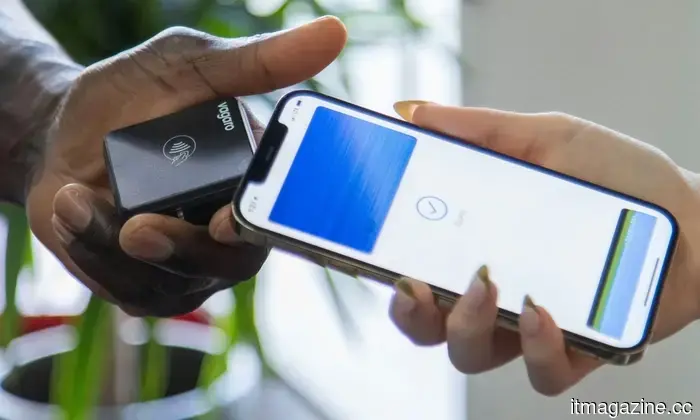
This is positive news, as you won’t have to carry quarters anymore, and smartphone payments are far more convenient. Nevertheless, I would argue that using a quarter was part of the charm.
So, why do these binoculars need a technological update now?
Tower Optical, the company behind nearly 2,000 of these durable, cast-iron binoculars throughout the United States and Canada, has been producing them since 1933, and its owners have an intriguing yet melancholy observation.
Co-owner Adam Rice notes that while people still want to use the binoculars, they have simply stopped carrying quarters. The increasing use of contactless and digital payments is the reason for this shift (via WSJ).
A new ownership group is quietly replacing the old coin slots and timers with battery-operated, tap-to-pay systems. The only noticeable alteration is a small antenna added to the top of the binoculars. The first modified units will go live this month, including the iconic viewers atop Rockefeller Center.
Is this truly a positive change for tourists, or does it diminish the experience?
Here’s my candid perspective. This is undoubtedly a smart business decision, especially as more people become accustomed to using their smartphones for payments.
However, it is also a bit disheartening, as these viewers have persisted for nearly a century by remaining unchanged, devoid of any digital influences. No apps, no screens, just you, a coin, and a view. Tap-to-pay extends their lifespan, which is beneficial since no one wants to see them fade away.
But it also connects them to your phone, the very device Rice suggests people use the binoculars to briefly escape from. The irony is clear for anyone who has ever struggled to find change at the peak of a mountain only to realize they could have just tapped their phone.
Greg Rising, the previous owner of Tower Optical, explored augmented reality enhancements that never launched before his passing in 2024, the same year new investors took over. Their approach is simpler: don’t reinvent the experience, just update the payment method while preserving everything else as nostalgically as it has always been.
For over five years, Shikhar has consistently made advancements in consumer technology easier to understand…
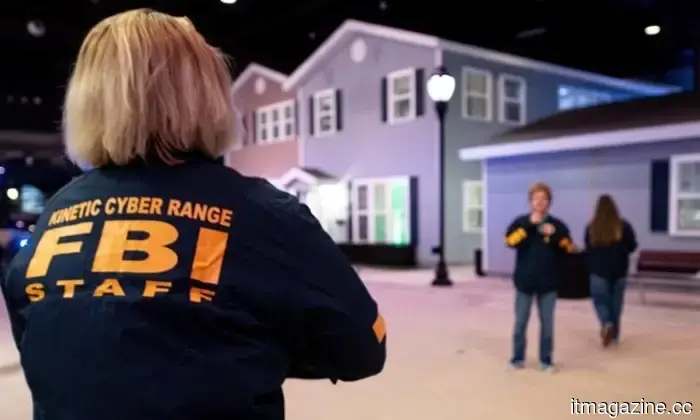
The FBI secretly constructed an entire fake town solely to practice cyberattacks.
Concealed within a warehouse in Alabama, the Kinetic Cyber Range replicates real-world digital attacks from beginning to end.
While Hollywood has fake cities for shooting films, the FBI has one for rehearsing how to respond to hacking. The agency has unveiled its Kinetic Cyber Range, a 22,000-square-foot miniature town hidden on its Huntsville, Alabama campus. Rather than training officers for shootouts or hostage situations, the facility is designed to simulate realistic cyberattacks on homes, businesses, and critical infrastructure, allowing investigators to practice their responses in a controlled setting.
The FBI developed an entire town just for the purpose of simulating cybercrime.
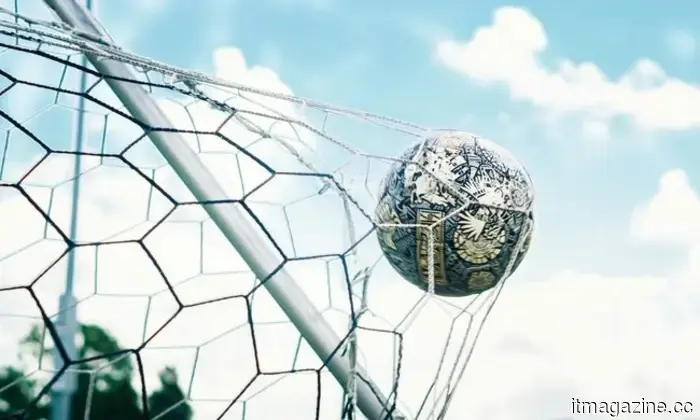
Brazil’s covert World Cup strategy instructed the team on when to disregard data.
The data indicated he wasn’t running enough, while the footage showed he was always in the “ideal tactical position.”
Brazil holds more World Cup titles than any other team, five in total, but after enduring five consecutive tournaments without adding to that tally, the team is heavily relying on data this time around.
Each player is equipped with a sensor-laden "smart vest" that tracks their position on the field (via GPS), heart rate, and a statistic known as "player load," similar to what your Whoop band or Apple Watch measures, but specifically tailored for the sport.
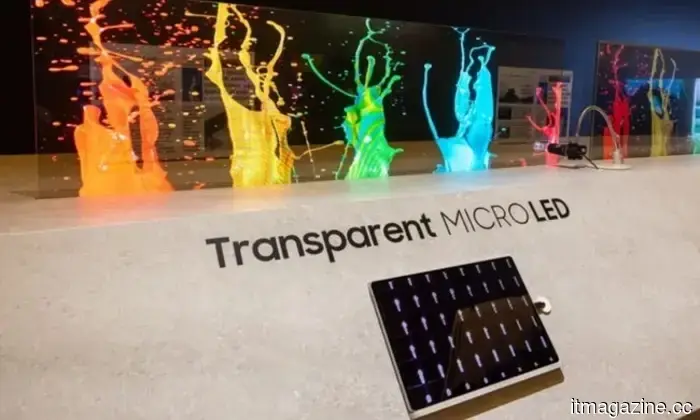
A new OLED advancement might finally render see-through screens genuinely usable.
The electrode solution that could potentially make transparent screens more appealing is in the works.
Every transparent OLED demonstration I have seen thus far looks stunning for about ten seconds, only for me to notice how dim or blurry it actually appears. A significant part of the issue lies in the function of the electrodes in the design.
A transparent display necessitates a see-through electrode that rests atop extremely delicate organic light-emitting layers. However, most traditional options either conduct electricity poorly or risk damaging those layers during production.

Other articles
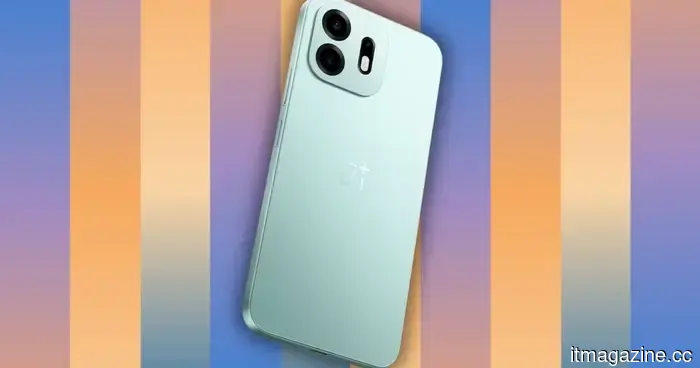 OnePlus has just revealed a new series of budget phones, but your likelihood of obtaining one is quite low.
OnePlus has recently introduced a new budget phone series in India, and recent reports indicate that the US may not be getting these models.
OnePlus has just revealed a new series of budget phones, but your likelihood of obtaining one is quite low.
OnePlus has recently introduced a new budget phone series in India, and recent reports indicate that the US may not be getting these models.
 UK intends to implement a social media ban for individuals under 16 as part of a significant initiative for online safety.
The UK government intends to prohibit access to social media for those under 16 and to implement tougher measures designed to lessen harmful online interactions and excessive use of screens.
UK intends to implement a social media ban for individuals under 16 as part of a significant initiative for online safety.
The UK government intends to prohibit access to social media for those under 16 and to implement tougher measures designed to lessen harmful online interactions and excessive use of screens.
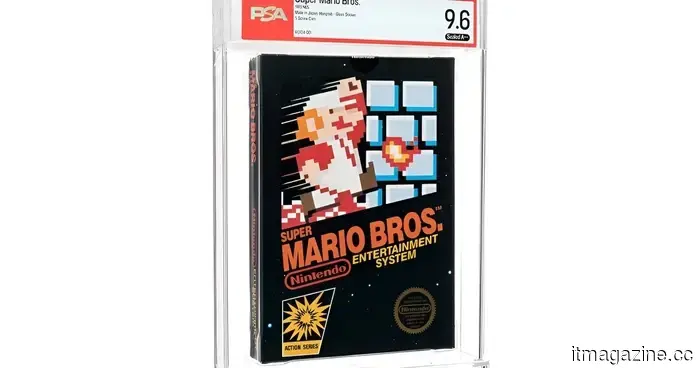 A copy of Nintendo's Super Mario Bros. recently sold for an astonishing $3 million.
A sealed edition of Super Mario Bros. for the NES has been sold for $3 million, establishing a new record in the video game collecting industry.
A copy of Nintendo's Super Mario Bros. recently sold for an astonishing $3 million.
A sealed edition of Super Mario Bros. for the NES has been sold for $3 million, establishing a new record in the video game collecting industry.
 Another study reveals that an excessive number of children are exposed to harmful content on social media.
A study by the Molly Rose Foundation revealed that 34% of teenagers in the UK came across content related to suicide, self-harm, or eating disorders on social media within just one week, showing little to no change since the implementation of the Online Safety Act.
Zhipu leaps as Wall Street places its bets on China's open AI.
Zhipu's stock jumped by as much as 48% as JPMorgan and BofA expressed confidence that China's affordable and accessible AI models will capitalize on the market space the US relinquished by limiting Anthropic.
Another study reveals that an excessive number of children are exposed to harmful content on social media.
A study by the Molly Rose Foundation revealed that 34% of teenagers in the UK came across content related to suicide, self-harm, or eating disorders on social media within just one week, showing little to no change since the implementation of the Online Safety Act.
Zhipu leaps as Wall Street places its bets on China's open AI.
Zhipu's stock jumped by as much as 48% as JPMorgan and BofA expressed confidence that China's affordable and accessible AI models will capitalize on the market space the US relinquished by limiting Anthropic.
Online payments are diminishing the appeal of one of America's premier tourist destinations.
Tower Optical's 90-year-old binocular viewers have been updated with a tap-to-pay feature; here's what is changing and what will remain the same.