
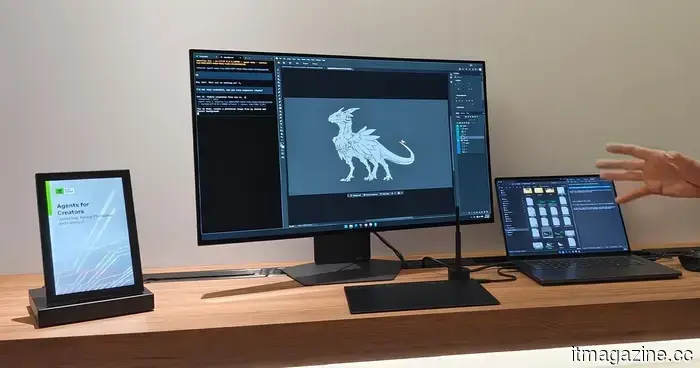
Nvidia's RTX Spark somewhat diminished my dislike for content creation.
Every video editor has a list of tasks they would prefer to delegate to someone else. Exporting is no longer one of these tasks since modern laptops are now quite fast. The real time-consuming aspects are the mundane tasks: manually masking subjects, identifying scene cuts in lengthy recordings, rotoscoping frame by frame, or dealing with tedious edits that demand more patience than creativity.
Varun Mirchandani / Digital Trends
This is precisely why NVIDIA’s RTX Spark demonstration at Computex 2026 surprised me. I entered the booth anticipating yet another presentation filled with AI jargon and benchmark graphs. Instead, I came away thinking that, for the first time in years, hardware might actually be transforming the editing experience, rather than just speeding up render times.
RTX Spark doesn’t revolutionize editing. It addresses the tedious aspects.
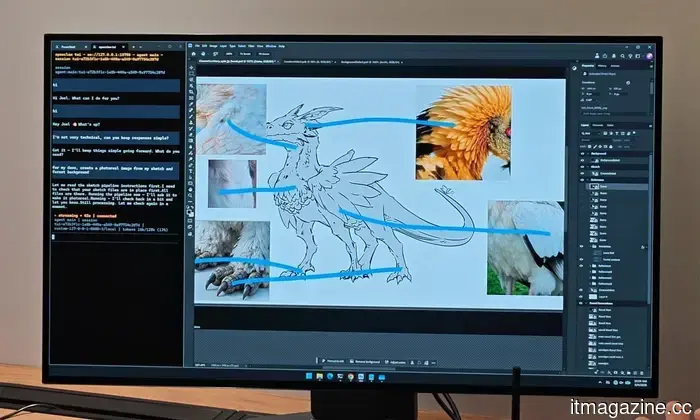
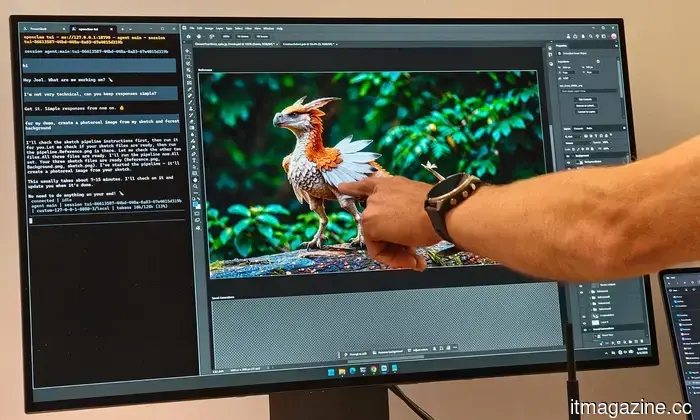
The first demo I encountered wasn’t even in Premiere Pro; it was in Adobe Photoshop, completely changing my expectations of AI image editing. Rather than inputting a detailed prompt, the presenter simply loaded an image, drew a few arrows to indicate where new elements should be placed, added a brief command, and let the RTX Spark-powered laptop handle the rest. In just moments, Photoshop produced the requested composition locally. The resulting image could then be panned, rotated in 3D, expanded using Generative Fill, and even animated frame by frame with impressive ease.
Varun Mirchandani / Digital Trends
The standout feature wasn’t just its speed; it was its simplicity. Instead of making creators learn how to “speak” to AI, NVIDIA and Adobe appeared to be training AI to comprehend how creators naturally work. Rather than concentrating on crafting the ideal command, the prompt used was in plain English yet executed flawlessly. More importantly, since the processing occurs locally on the RTX Spark platform, there was no noticeable wait for cloud servers to manage requests before returning results.
Vikhyaat Vivek / Digital Trends
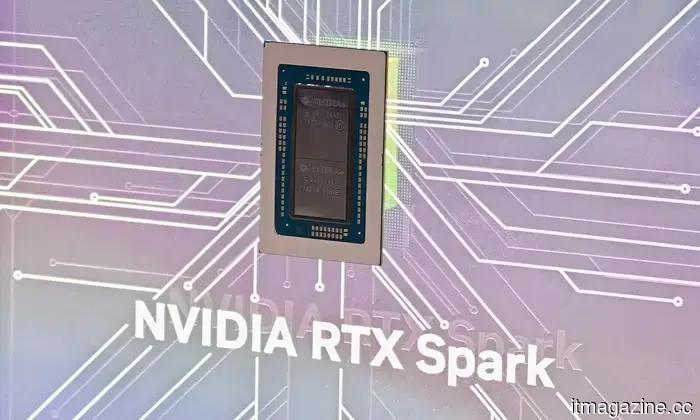
At its core, RTX Spark is powered by a 20-core Grace CPU paired with Blackwell-based RTX graphics and up to 128GB of unified memory, providing sufficient local AI power to manage demanding creative tasks directly on the device. However, after witnessing the demo, the specifications became almost secondary. The actual experience was what captivated me.
Premiere Pro finally masters the tedious tasks
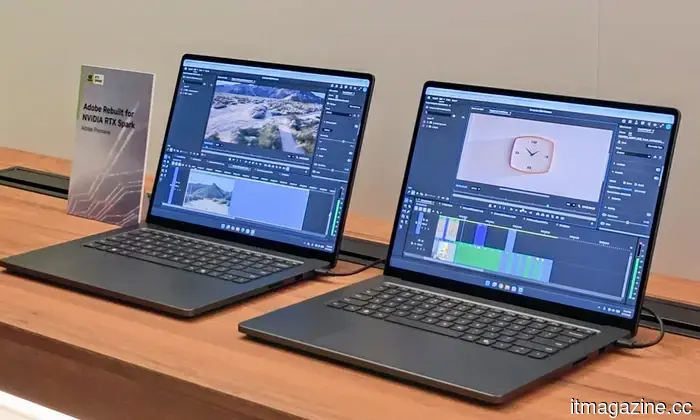
The Photoshop demonstration was impressive, but the showcase for Premiere Pro truly made me smile. NVIDIA displayed two nearly identical RTX-powered laptops side by side: one was running the public version of Premiere Pro, while the other utilized a new beta version developed in collaboration with Adobe to leverage RTX Spark’s AI capabilities.
Varun Mirchandani / Digital Trends
Both systems were tasked with scene edit detection on the same video. While the public version processed the timeline at its normal speed, the RTX Spark-powered beta analyzed the footage and detected cuts nearly instantly. Watching a task that editors typically begin and then leave become almost instantaneous was genuinely striking.
Varun Mirchandani / Digital Trends
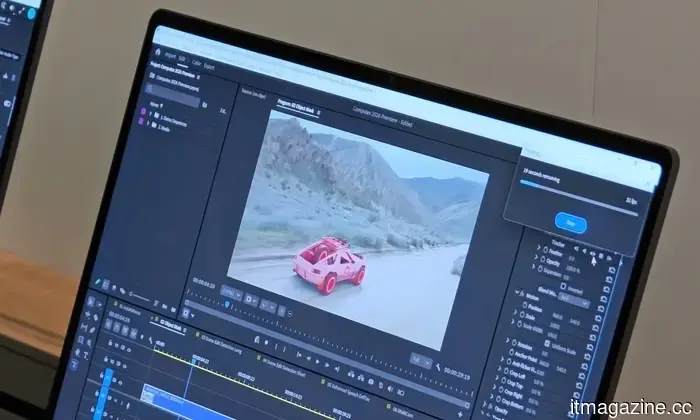
Next came rotoscoping, arguably one of the least appealing jobs in post-production. Anyone who has spent hours isolating a moving subject frame by frame understands how quickly that process can sap both patience and enthusiasm. However, during the demo, the presenter merely clicked on an object once, and the AI instantly identified it, generated a mask, and tracked it throughout the entire clip with remarkably little manual effort. It felt less like a software function and more like someone silently eliminating hours of repetitive tasks from the editing workflow.
RTX Spark is more than just a chip for creators
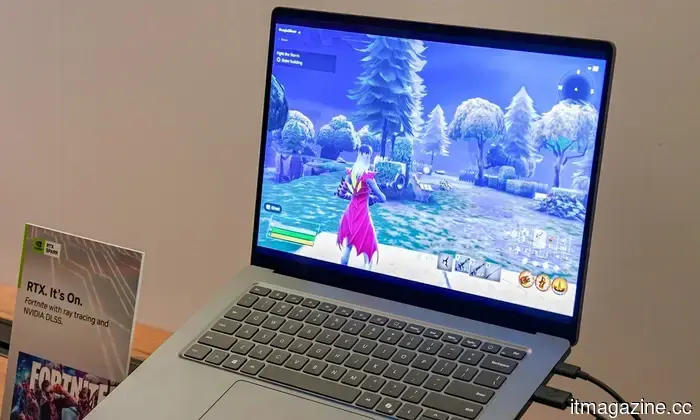
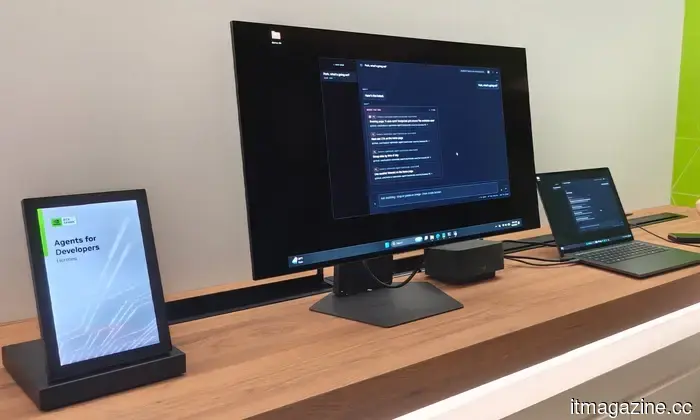
Of course, NVIDIA isn’t branding RTX Spark as a platform solely for creators. The company also highlighted impressive gaming demonstrations using DLSS 4.5 and advanced path tracing, showing that the underlying Blackwell GPU still possesses significant gaming capability. I even witnessed games running smoothly on the ARM-powered platform, indicating that NVIDIA isn’t solely focused on AI workloads. There were additional technical showcases featuring AI-assisted development and debugging, where local AI models could assist developers in analyzing code and resolving issues without relying heavily on cloud services.
Varun Mirchandani / Digital Trends
However, whether these use cases become mainstream remains uncertain. I’m not completely convinced that developers will quickly revamp their existing workflows for RTX Spark, and gamers willing to invest in these laptops may still prioritize raw graphical performance over AI features. Those are markets where NVIDIA still has a considerable amount to demonstrate.
Vikhyaat Vivek / Digital Trends
What resonated with me about RTX Spark was its application in creative tasks. If features like one-click rotoscoping, near-instant scene detection, and intuitive AI-assisted image editing become a regular part of workflows, I can genuinely envision video editors and content creators gravitating toward these systems. RTX Spark isn’t seeking to replace human creativity; it’s merely removing the monotonous, mind-numbing tasks, allowing creators to dedicate more time to what they excel at: crafting better stories.
Other articles
 I tested Acer's latest 5K MiniLED Gaming monitor, and I couldn't stop thinking about OLED.
Engaging with the Acer Nitro XV345CKR P showcases a striking approach to MiniLED gaming monitors, striking a balance between 5K clarity, HDR brilliance, and adaptability compared to the undeniable allure of OLED.
I tested Acer's latest 5K MiniLED Gaming monitor, and I couldn't stop thinking about OLED.
Engaging with the Acer Nitro XV345CKR P showcases a striking approach to MiniLED gaming monitors, striking a balance between 5K clarity, HDR brilliance, and adaptability compared to the undeniable allure of OLED.
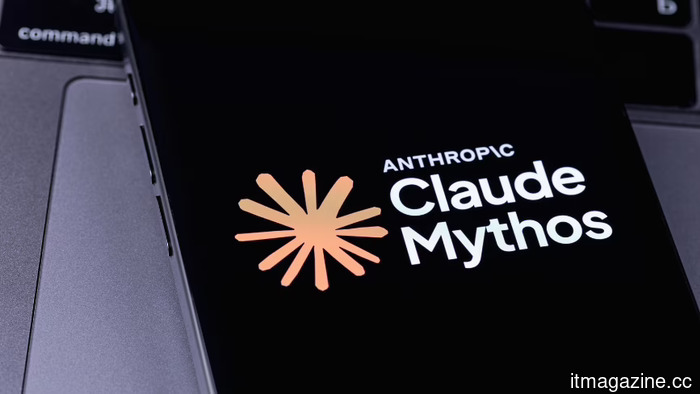 The US government has instructed Anthropic to cease operations of Fable 5 and Mythos 5.
Washington compelled Anthropic to deactivate its most advanced AI models due to a contested jailbreak, just three days following the launch. Anthropic claims that the response is excessive.
The US government has instructed Anthropic to cease operations of Fable 5 and Mythos 5.
Washington compelled Anthropic to deactivate its most advanced AI models due to a contested jailbreak, just three days following the launch. Anthropic claims that the response is excessive.
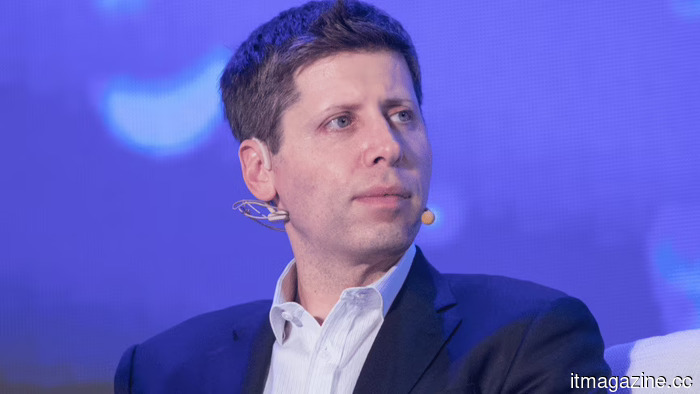 Forty-two state attorneys general are investigating OpenAI just days after its IPO application.
A group of 42 state attorneys general is probing OpenAI regarding user safety, data handling, and the protection of children, just days after the company submitted a confidential filing for its IPO.
Forty-two state attorneys general are investigating OpenAI just days after its IPO application.
A group of 42 state attorneys general is probing OpenAI regarding user safety, data handling, and the protection of children, just days after the company submitted a confidential filing for its IPO.
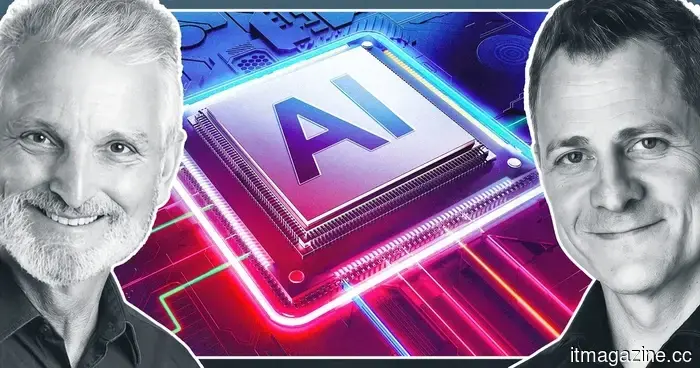 AI Is Poised to Impact Employment. The Key Question Is Whether Governments Are Recognizing This Reality.
Entrepreneur Marco Riedesser has dedicated his career to developing automation systems, which makes his perspectives on AI and employment particularly noteworthy. In a discussion that spans topics from coding and robotics to universal basic income and the meaning of work, he contends that the true dilemma may not be AI per se, but rather if society is ready for the potential transformations in the nature of work.
AI Is Poised to Impact Employment. The Key Question Is Whether Governments Are Recognizing This Reality.
Entrepreneur Marco Riedesser has dedicated his career to developing automation systems, which makes his perspectives on AI and employment particularly noteworthy. In a discussion that spans topics from coding and robotics to universal basic income and the meaning of work, he contends that the true dilemma may not be AI per se, but rather if society is ready for the potential transformations in the nature of work.
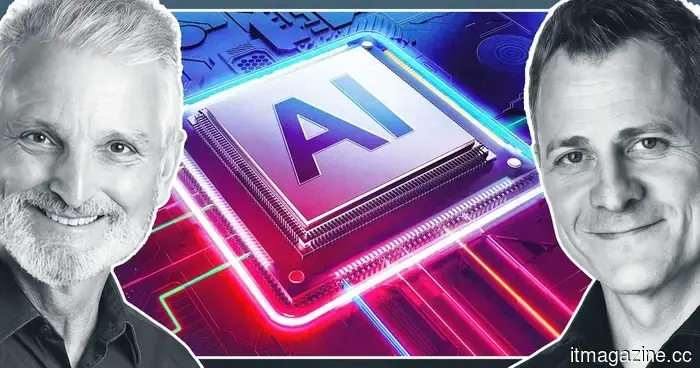 AI Is Set to Impact Employment. The Key Issue Is Whether Governments Are Noticing.
Entrepreneur Marco Riedesser has dedicated his career to creating automation systems, which makes his insights on AI and employment particularly noteworthy. In a discussion that spans topics from programming and robotics to universal basic income and the meaning of work, he contends that the true challenge might not be AI per se, but rather society's readiness for the potential transformations in the nature of work.
AI Is Set to Impact Employment. The Key Issue Is Whether Governments Are Noticing.
Entrepreneur Marco Riedesser has dedicated his career to creating automation systems, which makes his insights on AI and employment particularly noteworthy. In a discussion that spans topics from programming and robotics to universal basic income and the meaning of work, he contends that the true challenge might not be AI per se, but rather society's readiness for the potential transformations in the nature of work.
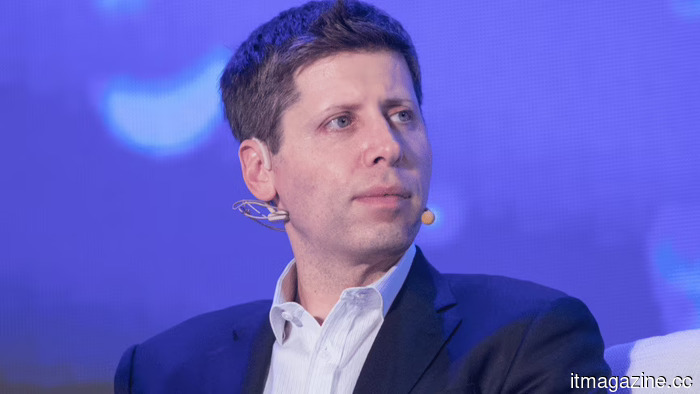 Forty-two state attorneys general are investigating OpenAI just days after the company's initial public offering filing.
A group of 42 state attorneys general is probing OpenAI concerning user safety, data handling, and child protection issues, just days following the company's confidential IPO filing.
Forty-two state attorneys general are investigating OpenAI just days after the company's initial public offering filing.
A group of 42 state attorneys general is probing OpenAI concerning user safety, data handling, and child protection issues, just days following the company's confidential IPO filing.
Nvidia's RTX Spark somewhat diminished my dislike for content creation.
Having witnessed the NVIDIA RTX Spark in operation at Computex 2026, I am persuaded that its AI-driven editing features have the potential to spare creators countless hours by removing the most monotonous aspects of video editing.