
I believed that affordable Windows laptops were a thing of the past, but Computex has restored my optimism.
Budget Windows laptops have suffered from a negative reputation for some time. While their appealing prices are a definite advantage, the notebooks often feel somewhat uninspiring to hold. If you've spent little time outside the Apple ecosystem, you know what I mean—flexible plastic bodies, dim displays, and squishy keyboards. Although the specifications can seem acceptable for the cost, the actual devices rarely excite.
During my recent trip to Taiwan for Computex 2026, I was eager to see the most powerful gaming machines and innovative technology showcased at the event. Expectations lean towards seeing top-tier products from tech giants, so budget announcements typically aren’t on the radar. However, this year, the most captivating laptop narrative wasn't centered on high-end gaming setups, AI workstations, or expensive creator devices.
Vikhyaat Vivek / Digital Trends
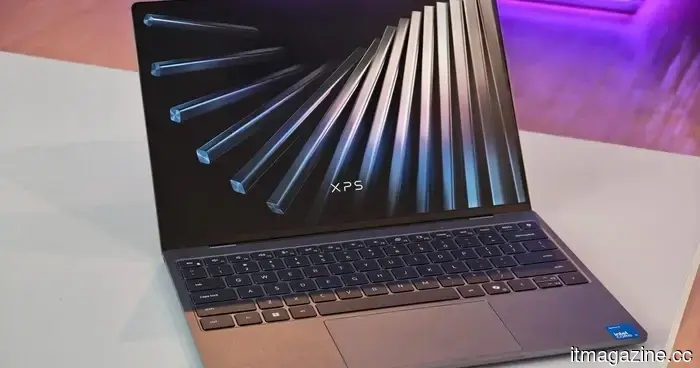
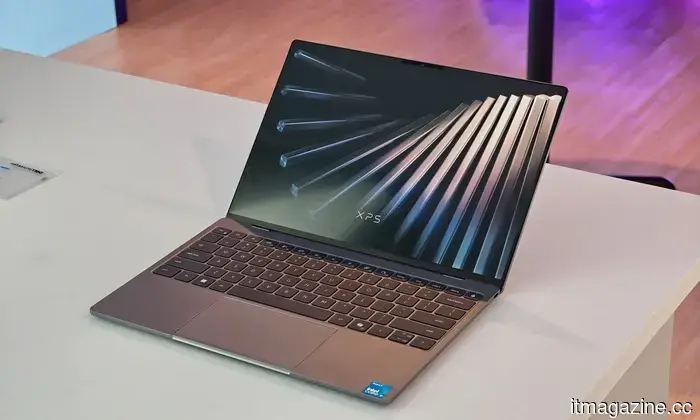
I encountered a new wave of budget-conscious yet high-quality Windows laptops, seemingly crafted to compete with Apple’s MacBook Neo in terms of price, build quality, and practical usability. While there have been numerous affordable releases lately, Dell and Acer truly distinguished themselves with their latest offerings. The Dell XPS 13 and Acer Swift Air 14 AI are models I can genuinely envision average buyers or students opting for on a tight budget.
Both models seem to grasp what Apple got right with the MacBook Neo—consumers desire a laptop that feels premium without venturing into four-figure pricing.
The new XPS 13 makes a significant statement
The return of the XPS range from Dell was met with enthusiasm, and the XPS 13 improves upon that excitement.
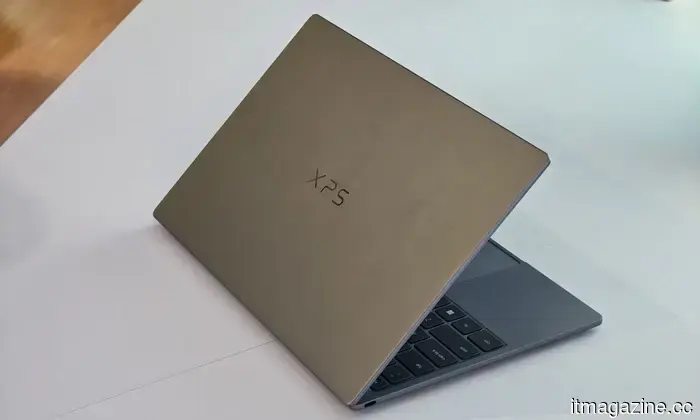
A laptop that offers solid value is admirable, but a premium device at a reasonable price feels like an obvious choice. The XPS line has consistently been Dell’s premium consumer laptop range, known for its sturdy construction, sleek design, impressive displays, and a refined Windows experience. Thus, the new XPS 13 starting at $699, and even dropping to $599 for eligible students, shifts the conversation.
Vikhyaat Vivek / Digital Trends
This is crucial given the current dismal RAM and component situation. Many laptop manufacturers are under pressure to maintain low prices while memory costs escalate. There’s only so much cutting back you can do. Mediocre screens, basic webcams, and cheaper materials are typically associated with budget laptops. Therefore, the price increases were inevitable. This makes the XPS 13 all the more refreshing.
The latest XPS 13 retains an aluminum chassis, a 2.5K anti-reflective touch display, a backlit keyboard, Windows Hello, quad speakers, faster USB-C connections, Wi-Fi 7, and a starting weight of merely 1kg. Dell has targeted this notebook toward students, young professionals, and first-time premium laptop buyers seeking a product that feels superior to the usual entry-level Windows notebooks.
Nadeem Sarwar / Digital Trends
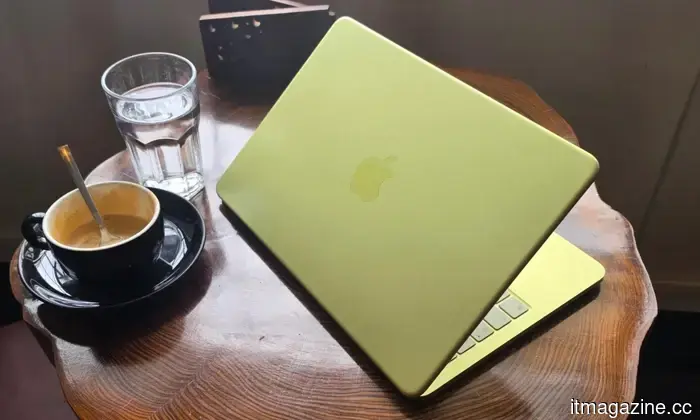
Yes, it still costs a hundred dollars more than the MacBook Neo, but there are sufficient justifications for this difference. A smoother 120Hz display, a practical backlit keyboard, and biometric login even in the base model, which also has double the base storage capacity. Performance with Intel’s Wildcat chips still requires thorough testing, but the overall package already positions the XPS 13 as a serious competitor to the MacBook Neo.
Acer’s Swift Air 14 AI also makes a strong impression
Vikhyaat Vivek / Digital Trends
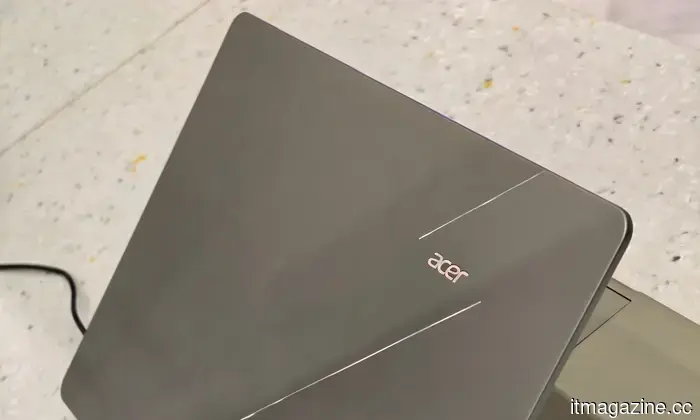
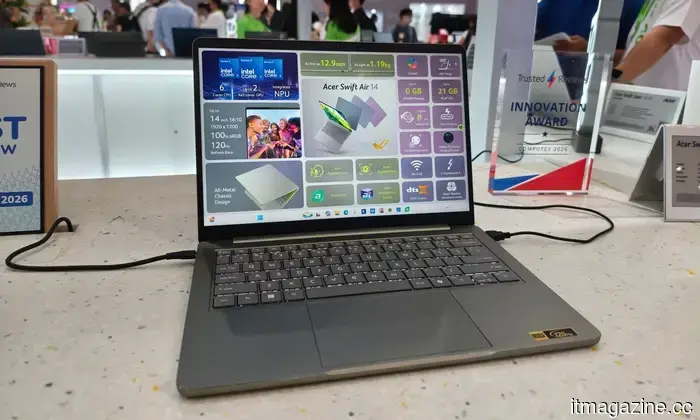
Dell XPS 13 isn’t the only contender making waves. Another positive development at Computex 2026 was the Acer Swift Air 14 AI. This premium direction is evident here too, featuring an all-aluminum Windows laptop equipped with Intel Core Series 3 chips, a built-in NPU for AI-augmented features, a 14-inch 120Hz display, quad speakers, an IR camera with Windows Hello, a privacy shutter, dual Thunderbolt 4 ports, USB-A, and a 70Wh battery.
This package represents a significant upgrade from the traditional idea of budget laptops. While the MacBook Neo has clear advantages, including a sharper display, the ecosystem of macOS, and impressive battery efficiency, Acer offsets these with a larger 14-inch display, a smoother 120Hz refresh rate, a greater variety of ports, Windows Hello facial recognition, and a design that doesn't appear apologetic for its price.
Vikhyaat Vivek / Digital Trends
The MacBook Neo has woken Windows up
A key factor in the Neo’s success is Apple’s understanding of its own formula. Offering a premium product at a more accessible price profoundly influenced the laptop market. Suddenly, Windows no longer seemed like the obvious value choice. Dell and Acer are not attempting to outdo Apple with lower pricing; instead, each adds unique features that differentiate them from Apple’s entry-level model.
Neither of these laptops magically resolves the issues facing budget laptops. The return to 8GB starting configurations still needs
Other articles
 Insta360 Luna Ultra provides creators with 8K recording capabilities and enhanced stabilization features.
Insta360 has introduced the Luna Ultra, an 8K gimbal camera with dual lenses that has been developed in collaboration with Leica, aimed at creators in search of portable video tools for cinematic purposes.
Insta360 Luna Ultra provides creators with 8K recording capabilities and enhanced stabilization features.
Insta360 has introduced the Luna Ultra, an 8K gimbal camera with dual lenses that has been developed in collaboration with Leica, aimed at creators in search of portable video tools for cinematic purposes.
 ChatGPT is suggesting fraudulent websites that could take your credit card information.
According to the scam-checking service Ask Silver, ChatGPT is displaying fraudulent replicas of inactive retail websites when users seek product suggestions. These counterfeit stores are created to capture payment details.
ChatGPT is suggesting fraudulent websites that could take your credit card information.
According to the scam-checking service Ask Silver, ChatGPT is displaying fraudulent replicas of inactive retail websites when users seek product suggestions. These counterfeit stores are created to capture payment details.
 The most budget-friendly Kindle Scribe is now available for purchase on Amazon.
The least expensive Kindle Scribe is now available for $429.99, and Amazon has introduced the new Story So Far AI reading feature on all recent Kindle models.
The most budget-friendly Kindle Scribe is now available for purchase on Amazon.
The least expensive Kindle Scribe is now available for $429.99, and Amazon has introduced the new Story So Far AI reading feature on all recent Kindle models.
 Steam is discontinuing gift cards due to issues caused by scammers.
Steam Gift Cards are becoming increasingly scarce on store shelves. According to Valve, scammers have continued to exploit physical cards, despite being warned and the implementation of retail restrictions and various anti-fraud measures.
Steam is discontinuing gift cards due to issues caused by scammers.
Steam Gift Cards are becoming increasingly scarce on store shelves. According to Valve, scammers have continued to exploit physical cards, despite being warned and the implementation of retail restrictions and various anti-fraud measures.
 Tesla's Full Self-Driving
Musk claims that true autonomy involves being able to sleep during your commute. Tesla's robotaxis in Austin experience crashes every 57,000 miles, which is four times worse than the average for human drivers.
Tesla's Full Self-Driving
Musk claims that true autonomy involves being able to sleep during your commute. Tesla's robotaxis in Austin experience crashes every 57,000 miles, which is four times worse than the average for human drivers.
 A botnet associated with the Chinese state has expanded to 1,500 compromised routers and is identifying susceptible targets within hours of their revelation.
The JDY botnet, associated with China's Volt Typhoon, has expanded significantly and now searches for newly revealed vulnerabilities within hours. The majority of its nodes are located in the United States.
A botnet associated with the Chinese state has expanded to 1,500 compromised routers and is identifying susceptible targets within hours of their revelation.
The JDY botnet, associated with China's Volt Typhoon, has expanded significantly and now searches for newly revealed vulnerabilities within hours. The majority of its nodes are located in the United States.
I believed that affordable Windows laptops were a thing of the past, but Computex has restored my optimism.
Computex 2026 revitalized the budget Windows laptop market, as Dell and Acer unveiled high-quality devices that directly compete with Apple’s MacBook Neo.