
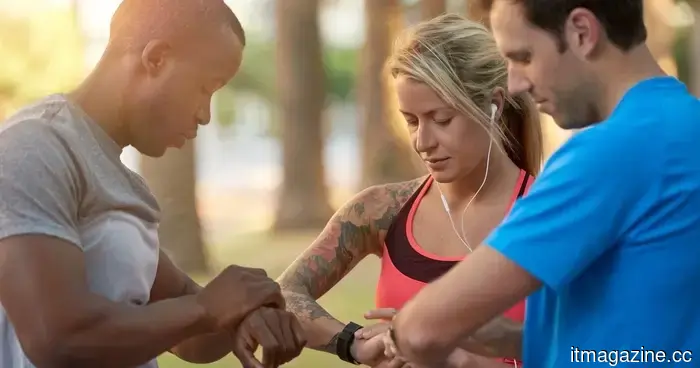
An increasing number of individuals are investing in wearable devices, yet the actual advantage continues to diminish, according to a study.
Digital Trends may receive a commission if you make a purchase through links on our site. Why trust us?
In recent years, the ownership of wearables among Americans has significantly increased, yet less than 20% share their health data with their healthcare providers.
Smartwatches and fitness trackers have become ubiquitous, with more Americans purchasing them than ever before. However, a recent study indicates that merely owning a wearable device does not guarantee that users gain significant health benefits from it.
Researchers from Yale School of Medicine examined data from 17,395 participants over three national surveys conducted in 2020, 2022, and 2024. Their findings reveal a more complex situation than the wearable market may prefer to acknowledge.
What the data reveals
Wearable device usage among adults in the U.S. rose from 30.2% in 2020 to 41.1% in 2024. However, other related metrics either remained unchanged or worsened. About half of wearable users reported wearing their devices daily, a figure that has not improved over the years.
The statistics regarding data sharing are even more alarming. The percentage of individuals willing to share their wearable health data with doctors fell from 81.3% in 2020 to 73.4% in 2024. Actual data sharing with healthcare professionals barely increased, from 14.2% in 2020 to just 19.2% in 2024. This indicates that under 20% of those who own wearables are sharing their health information with the medical professionals who could utilize it for insights.
Reasons for the widening gap
The study revealed that improved digital literacy made individuals more inclined to share their data, but this willingness did not convert into actual data sharing. The researchers identified the healthcare system itself as the primary obstacle.
Most doctors’ systems are not equipped to receive data from wearable devices. Many medical records cannot interface with consumer technology, and there is no standardized method for clinicians to routinely assess information tracked by devices like Apple Watches or Fitbits.
The researchers concluded that merely increasing the number of wearable users will not bridge this gap. It is essential for the healthcare system to establish the infrastructure needed to effectively utilize the data collected by individuals.
Manisha Priyadarshini is a technology and entertainment writer with more than nine years of editorial experience.
watchOS 27: Everything we know about the new features coming to your Apple Watch
Your Apple Watch is set to become significantly more functional, provided it supports watchOS 27.
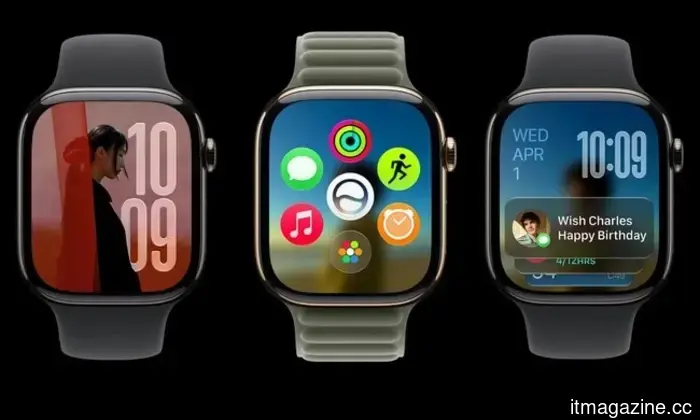
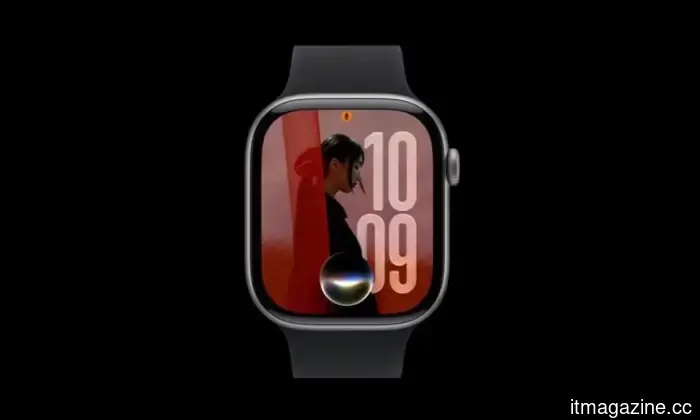
At WWDC 2026, Apple unveiled watchOS 27, introducing Siri AI, a new Siri app, a dynamic app grid, improved Smart Stack suggestions, enhanced fitness features, and additional health tracking tools for the Apple Watch.
The Apple Watch offers its best functionality when it facilitates quick tasks without needing to access your iPhone. watchOS 27 emphasizes this concept, providing updates that simplify the process of starting workouts, locating apps, accessing Wallet passes, and checking vital information directly from your wrist. Here’s what’s new.
Read more
Your Tech, Your Way with JLab: Why Premium Audio Shouldn’t Break the Bank
The headphones you choose for focused listening may not be the same ones you grab when you’re on the go.
Many of us may not realize how much time we spend wearing headphones or earbuds—including myself. Between switching playlists during my daily commute, joining work calls, listening to podcasts while walking, and enjoying late-night binge sessions, audio has quietly become a crucial daily element.
Yet, our audio needs vary throughout the day. The over-ear headphones I prefer for an extended workday aren’t necessarily the ones I reach for when I head outside. Nevertheless, many audio brands insist that a single high-priced product is the perfect all-in-one solution.
Read more
iOS 27 could simplify battery-saving settings
Apple is reportedly testing a feature called Dormancy, which highlights unused options and recommends disabling them to conserve battery life.
iOS 27 may streamline the process of saving battery life. Developer Steve Moser found references in iOS 27 Beta 1 and watchOS pointing to a feature named Dormancy, designed to suggest turning off settings or features that have gone unused.
https://twitter.com/SteveMoser/status/2064332094608748671
Read more


Other articles
 How businesses train millions of employees while continuously shipping their products.
ServiceNow restructured its corporate learning initiative using AI-generated videos, reducing production time by 90%. The Senior Vice President of Synthesia discusses the ongoing skills gap and how AI-driven learning and development addresses it.
How businesses train millions of employees while continuously shipping their products.
ServiceNow restructured its corporate learning initiative using AI-generated videos, reducing production time by 90%. The Senior Vice President of Synthesia discusses the ongoing skills gap and how AI-driven learning and development addresses it.
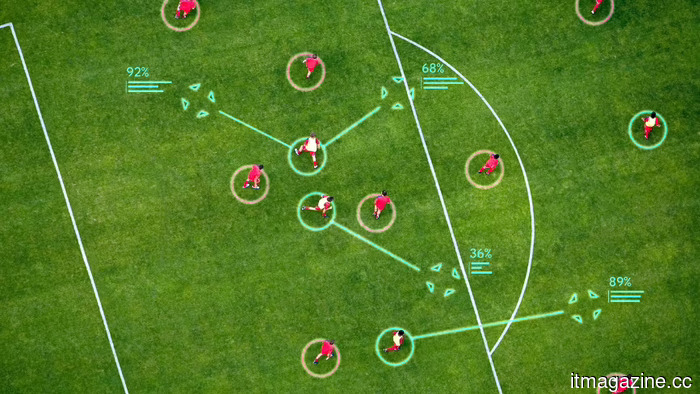 Google DeepMind's TacticAI can anticipate football plays 8 seconds in advance. Palmeiras is the first team to utilize it.
Google's TacticAI forecasts player movements 8 seconds in advance by analyzing broadcast footage. Experts from Liverpool favored its strategies 90% of the time compared to the original approach.
Google DeepMind's TacticAI can anticipate football plays 8 seconds in advance. Palmeiras is the first team to utilize it.
Google's TacticAI forecasts player movements 8 seconds in advance by analyzing broadcast footage. Experts from Liverpool favored its strategies 90% of the time compared to the original approach.
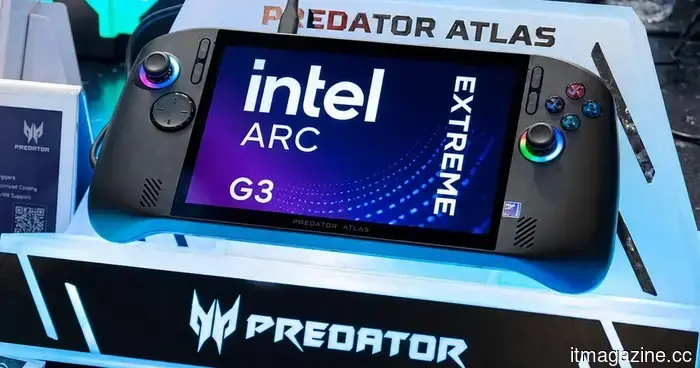 Intel’s Arc G3 Extreme might provide the unexpected turn that handheld gaming has been looking for.
I had the opportunity to try out MSI's Claw and Acer's Predator Atlas, both powered by Intel's Arc G3 Extreme, at Computex, and the outlook for handheld gaming appears to be very encouraging.
Intel’s Arc G3 Extreme might provide the unexpected turn that handheld gaming has been looking for.
I had the opportunity to try out MSI's Claw and Acer's Predator Atlas, both powered by Intel's Arc G3 Extreme, at Computex, and the outlook for handheld gaming appears to be very encouraging.
 AI requires discernment, not just a job description: Michael Ronis discusses the future of hiring.
AI has the capability to sift through a thousand resumes in just a few hours, yet it falls short in assessing rapport, cultural compatibility, or career aspirations. Recruiter Michael Ronis contends that the crucial issue is not if AI will supplant human roles, but rather where human intervention is necessary.
AI requires discernment, not just a job description: Michael Ronis discusses the future of hiring.
AI has the capability to sift through a thousand resumes in just a few hours, yet it falls short in assessing rapport, cultural compatibility, or career aspirations. Recruiter Michael Ronis contends that the crucial issue is not if AI will supplant human roles, but rather where human intervention is necessary.
 Google developed an AI capable of predicting football plays before they occur.
Google DeepMind has introduced TacticAI, an AI system created in collaboration with Liverpool FC, capable of anticipating football player movements up to eight seconds ahead and offering tactical suggestions for set pieces.
Google developed an AI capable of predicting football plays before they occur.
Google DeepMind has introduced TacticAI, an AI system created in collaboration with Liverpool FC, capable of anticipating football player movements up to eight seconds ahead and offering tactical suggestions for set pieces.
 Saily has just converted the eSIM into a $1 disposable phone number.
Saily's new US phone number add-on offers travelers an affordable secondary line for making calls, sending texts, receiving 2FA codes, and maintaining privacy for their primary number.
Saily has just converted the eSIM into a $1 disposable phone number.
Saily's new US phone number add-on offers travelers an affordable secondary line for making calls, sending texts, receiving 2FA codes, and maintaining privacy for their primary number.
An increasing number of individuals are investing in wearable devices, yet the actual advantage continues to diminish, according to a study.
A greater number of Americans are owning wearables than before, yet a new study from Yale indicates that fewer than 20% actually share their health data with their physician.