
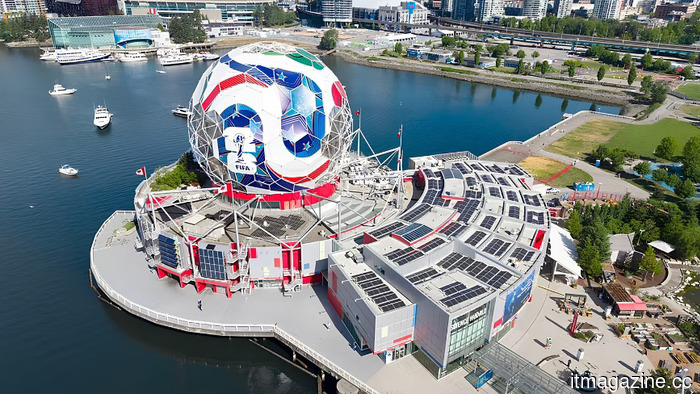
World Cup biometrics, Google Gemini, and your face at the entrance.
The 2026 World Cup is introducing two layers of technology that most of its 10 million attendees will interact with: a consumer-AI layer spearheaded by Google, and a biometric-identity layer that allows fans to use their faces as tickets. This represents the more understated aspect of the tournament's technology, designed with fans in mind rather than focusing on security threats.
In 16 host cities across the US, Canada, and Mexico, neither of these layers comes with robotic dogs. Nonetheless, both are expected to have a lasting impact beyond the tournament's conclusion. Google has officially designated Gemini and its Pixel phones as sponsors for various national teams, including France, Argentina, Morocco, Iraq, Turkey, and the United States. The French team is using Pixel as its official phone while also utilizing Gemini for team communications.
For fans, Google is enhancing tournament experiences across its platforms like Search, Maps, Waze, and the Gemini app with features such as live score tracking, AI-generated tactical diagrams, and match highlights that the app generates on demand. Moreover, Google will make its AI Mode Pro visuals free during the summer to coincide with the tournament. For the company, the World Cup serves as a global launch platform for Gemini, disguised as fan engagement.
Using your face as a ticket
At the entry points, the most significant shift involves biometric technology. At Gillette Stadium near Boston, fans can choose to use facial recognition that associates their face with a digital wallet, allowing them to gain entry and make purchases without needing a ticket or card. Various venues are experimenting with similar facial recognition systems for access.
Surrounding the stadiums, cities are enhancing surveillance capabilities. In Seattle, officials have integrated stadium-area CCTV and automatic license-plate readers into a Real-Time Crime Center after public debate regarding when these cameras would activate and if they would monitor immigration status. This is not new practice; Qatar utilized approximately 22,000 cameras across eight venues for the 2022 World Cup. However, the novel aspect is the consumer-oriented approach, positing that using one's face for entry is simply more efficient.
This biometric component exists alongside the more overt security technologies previously discussed by TNW, such as robot dogs, surveillance drones, and AI cameras, yet it is the technology that fans will voluntarily choose to engage with. However, the fundamental technology is not without flaws; independent studies have indicated that facial recognition systems tend to misidentify women and people of color more frequently than they do white males. TNW has long highlighted this as a potential civil liberties concern as the technology becomes more widespread.
The referee is now also a camera
AI is also making its way onto the field. FIFA's body-worn 'Ref Cam,' which was tested at the 2025 Club World Cup, has now been incorporated into the Laws of the Game and will be present in every match, with selected highlights provided to broadcasters and displayed on stadium screens. FIFA's partner Lenovo is using AI to enhance footage quality, reportedly reducing motion blur from a running referee by up to 50 percent.
This innovation aims to enhance transparency on the field, adding another live, AI-processed feed to broadcasts.
The burden on fans
Over 120 civil-society organizations, including the ACLU and Amnesty International, have issued a travel warning regarding the tournament. They are cautioning against racial profiling, device searches, social media monitoring, and facial recognition, advising some travelers to disable the face-unlock feature on their phones prior to traveling.
In February, ICE announced that its agents would play a "key role" in ensuring security during the tournament.
Currently, facial payment systems are opt-in. However, the question that lingers after the final on July 20 is what will happen next. Facial recognition in stadiums, license-plate tracking networks, and AI video analytics typically do not disappear along with the crowds.
The World Cup serves as a venue where this less conspicuous aspect of technological infrastructure is normalized in front of 10 million spectators, reflecting the cost of passing through the gates.
Other articles
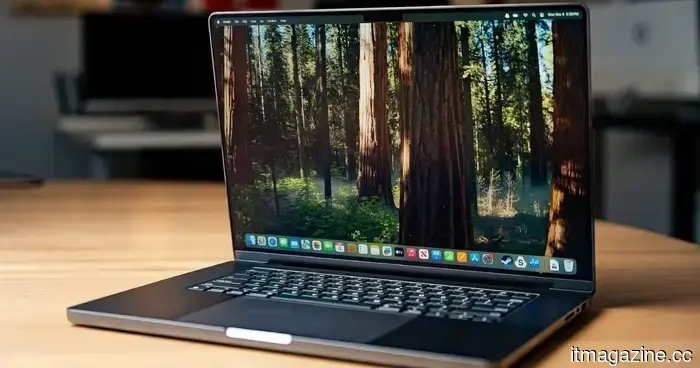 MacOS Golden Gate offers a glimpse into the functionality of a touchscreen MacBook.
The macOS 27 Golden Gate beta is said to introduce new touch controls via Sidecar, sparking speculation about Apple's first MacBook with an OLED touchscreen.
MacOS Golden Gate offers a glimpse into the functionality of a touchscreen MacBook.
The macOS 27 Golden Gate beta is said to introduce new touch controls via Sidecar, sparking speculation about Apple's first MacBook with an OLED touchscreen.
 Uncovr secures $7 million for AI technology that records surgical procedures.
Uncovr has secured $7 million in seed funding, with Index Ventures leading the investment, for its AI technology that converts surgical videos into operational reports and billing codes in real time.
SK Hynix aims for a $14 billion listing in the US, capitalizing on the surge in AI memory demand.
SK Hynix is aiming for a US listing that might generate up to $14 billion as early as August, driven by the AI-memory surge that has increased its stock by 250% and pushed its valuation beyond $1 trillion.
Uncovr secures $7 million for AI technology that records surgical procedures.
Uncovr has secured $7 million in seed funding, with Index Ventures leading the investment, for its AI technology that converts surgical videos into operational reports and billing codes in real time.
SK Hynix aims for a $14 billion listing in the US, capitalizing on the surge in AI memory demand.
SK Hynix is aiming for a US listing that might generate up to $14 billion as early as August, driven by the AI-memory surge that has increased its stock by 250% and pushed its valuation beyond $1 trillion.
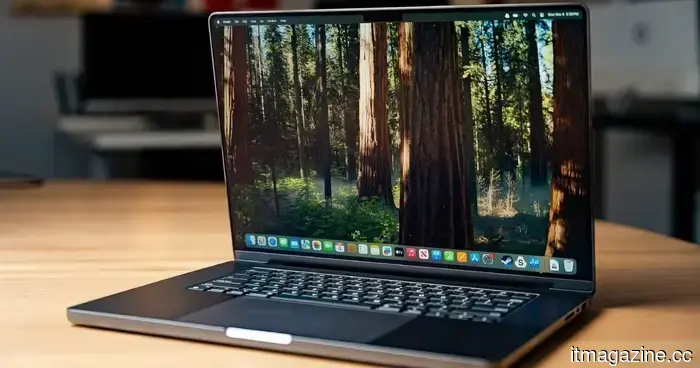 MacOS Golden Gate provides a glimpse into the functionality of a touchscreen MacBook.
The macOS 27 Golden Gate beta is said to introduce new touch controls via Sidecar, sparking speculation about Apple's first OLED touchscreen MacBook.
MacOS Golden Gate provides a glimpse into the functionality of a touchscreen MacBook.
The macOS 27 Golden Gate beta is said to introduce new touch controls via Sidecar, sparking speculation about Apple's first OLED touchscreen MacBook.
World Cup biometrics, Google Gemini, and your face at the entrance.
World Cup biometrics scan your face at the entrance, while Google's Gemini occupies your phone. This is the AI that 10 million fans will truly interact with in 2026.