
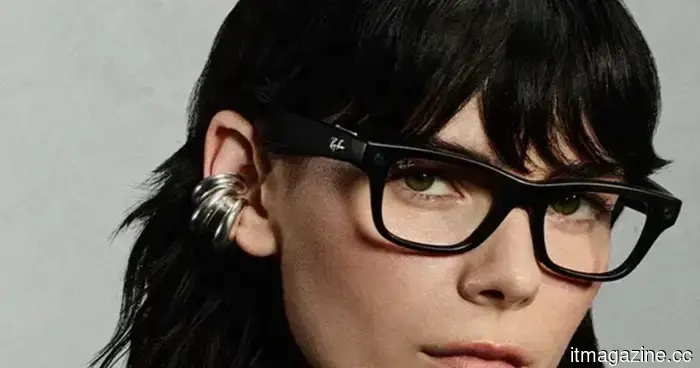
Meta rejected the use of face scanning technology in its AI smartglasses and subsequently discreetly removed any evidence of it.
Meta’s face-recognition past resurfaces, complicating its AI smart glasses goals
Meta's smart glasses privacy concerns have evolved once more. Following a discovery by WIRED of inactive references to face identification within the Meta AI app, that same code has reportedly disappeared after a subsequent app update.
The smart glasses app revealed remnants of face-ID development.
The code was linked to an internal initiative named “NameTag.” WIRED noted that the system was not active for users, but its existence indicated that Meta had moved past the initial concept stage and had commenced testing the potential for face identification within its smart glasses framework.
WIRED reported that this dormant system seemed to convert faces into on-device identifiers that could be correlated with previously stored data. While this does not signify an imminent public implementation of facial recognition on Ray-Ban Meta smart glasses, it highlights why the finding has attracted attention.
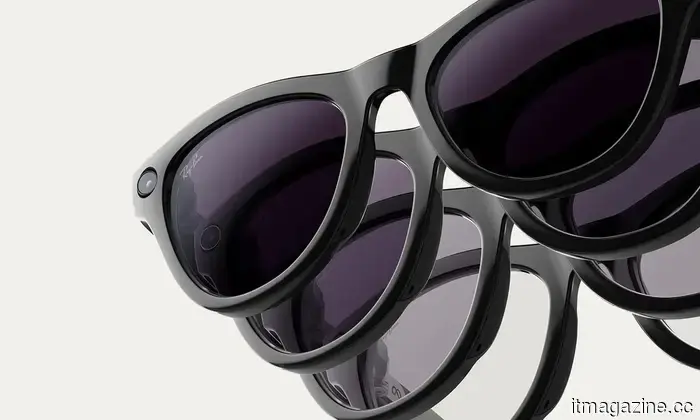
The sensitivity of the situation is heightened as this feature wasn't concealed within a research demonstration or a developer-exclusive version. It emerged in the app that typical smart glasses users regularly engage with. Given that this device includes a camera designed for public use, even inactive references to face recognition raise concerns regarding consent and the extent to which users are aware of what is being evaluated behind the scenes.
Civil rights organizations had already raised alarms.
This was not the initial warning regarding Meta’s aspirations for smart glasses. Prior reports indicated that civil rights groups expressed dissatisfaction with Meta’s supposed intentions to introduce facial recognition in its AI glasses. Advocates for civil rights contended that a feature capable of identifying individuals through wearable cameras could pose privacy threats to unsuspecting bystanders and further extend surveillance in everyday settings.
The worry has intensified following the code’s removal. Meta’s communications executive Andy Stone informed WIRED that the feature was part of a pilot program, and the company had not yet made a decision on its implementation. This may clarify why the feature was inactive, yet it does not explain why face-ID code was present in an app designed for standard smart glasses users.
Given Meta’s previous experiences with this technology, it becomes challenging to dismiss such concerns. In 2021, Facebook announced it would discontinue its facial recognition system and delete recognition templates for over a billion users, due to privacy and regulatory issues. The recent report does not confirm that facial recognition is on the horizon for Meta glasses. However, the emergence of dormant face-ID code in a consumer app, followed by its removal after being reported, complicates the perception of Meta’s interest as merely hypothetical.





Other articles
 The new Stockwell III by Marshall addresses the issue that many Bluetooth speakers overlook.
The updated Stockwell III offers extended battery life and enhanced durability, but its most intriguing aspect isn't related to playing music.
The new Stockwell III by Marshall addresses the issue that many Bluetooth speakers overlook.
The updated Stockwell III offers extended battery life and enhanced durability, but its most intriguing aspect isn't related to playing music.
 The Munich-based startup ERC System has introduced Victor, a heavy-lift cargo eVTOL, during the ILA Berlin event.
ERC System introduced Victor, a hybrid-electric cargo eVTOL that is uncrewed, featuring a payload capacity of 250kg and a range of 300km, during ILA Berlin 2026, with deliveries expected in 2028.
The Munich-based startup ERC System has introduced Victor, a heavy-lift cargo eVTOL, during the ILA Berlin event.
ERC System introduced Victor, a hybrid-electric cargo eVTOL that is uncrewed, featuring a payload capacity of 250kg and a range of 300km, during ILA Berlin 2026, with deliveries expected in 2028.
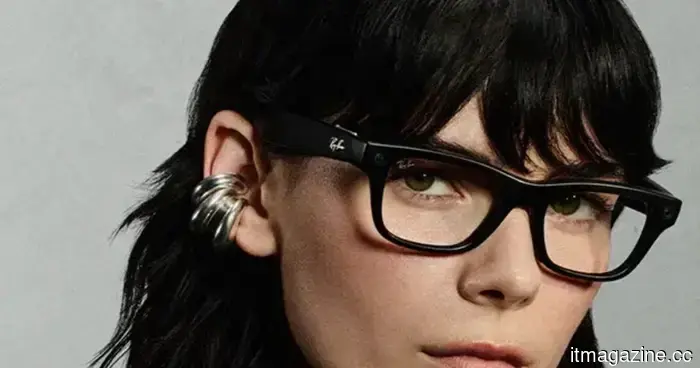 Meta refuted the existence of face scanning technology in their AI smartglasses and subsequently discreetly erased the proof.
Inactive face-recognition software reportedly surfaced in the app for Meta's smart glasses but vanished following examination. This has brought Meta's AI eyewear initiatives back into focus regarding privacy concerns.
Meta refuted the existence of face scanning technology in their AI smartglasses and subsequently discreetly erased the proof.
Inactive face-recognition software reportedly surfaced in the app for Meta's smart glasses but vanished following examination. This has brought Meta's AI eyewear initiatives back into focus regarding privacy concerns.
 BenQ's ZOWIE is approaching gaming equipment with the same rigor as sports science, and as an esports enthusiast, I find it fantastic.
Within BenQ's ZOWIE lab, I observed how gaming mice and monitors are influenced by sports science, player statistics, and the minute differences that determine the outcomes of competitive games.
BenQ's ZOWIE is approaching gaming equipment with the same rigor as sports science, and as an esports enthusiast, I find it fantastic.
Within BenQ's ZOWIE lab, I observed how gaming mice and monitors are influenced by sports science, player statistics, and the minute differences that determine the outcomes of competitive games.
 Marshall’s latest Stockwell III addresses an issue that many Bluetooth speakers overlook.
The latest Stockwell III offers extended battery life and enhanced durability, yet its most intriguing aspect isn't related to music at all.
Marshall’s latest Stockwell III addresses an issue that many Bluetooth speakers overlook.
The latest Stockwell III offers extended battery life and enhanced durability, yet its most intriguing aspect isn't related to music at all.
Meta rejected the use of face scanning technology in its AI smartglasses and subsequently discreetly removed any evidence of it.
Code for face recognition that was inactive reportedly surfaced in Meta's smart glasses application, only to vanish following examination. This has once again brought Meta's AI eyewear initiatives under the scrutiny of privacy concerns.