

Google's updated AI response system may simplify the texting experience.
Google seems to be testing a new AI feature within Google Messages that could significantly speed up text responses. Currently under development, this feature implements a “tap to draft” mechanism that automatically creates longer, more contextually relevant replies, moving beyond the short smart replies users know.
As reported by 9to5Google, this upcoming capability enhances Google Messages’ existing Smart Reply system by enabling users to click on suggested prompts that instantly craft full draft responses within a chat. Instead of offering basic one-word or one-line replies like “Sounds good” or “Thanks,” the new feature is designed to produce more natural, conversational answers that users can adjust before sending.
This update is part of Google’s larger initiative to incorporate generative AI into everyday Android experiences. Over the last year, the company has gradually integrated Gemini-powered tools into Gmail, Docs, Search, Photos, and Android itself. Introducing more sophisticated AI-generated responses in Google Messages appears to be the next logical step.
Google aims to make texting feel more automated and conversational.
The “tap to draft” system is thought to function by assessing the context of a conversation and providing multiple suggested replies for users to select. Once a suggestion is tapped, it expands into a more detailed draft message, potentially alleviating the need for users to compose lengthy replies manually.
This is significant because messaging apps have become one of the most frequent ways people interact with their phones daily. AI-generated assistance in texting platforms could enable users to respond more swiftly, maintain conversations while multitasking, or lessen the effort required for repetitive messages.
The feature also indicates a changing perspective among companies towards messaging applications. Rather than just serving as communication tools, platforms like Google Messages are increasingly becoming AI-powered assistants that can summarize discussions, generate replies, and help users manage their communications automatically.
For Android users, this feature could prove particularly beneficial in professional or group chats where longer responses are often required. Users may find that they only need to adjust AI-generated drafts instead of composing detailed replies from the beginning.
However, the rising integration of AI in messaging apps might prompt concerns regarding authenticity and excessive automation. As generated responses become more natural, the distinction between human-written messages and AI-assisted replies could become increasingly blurred.
Google Messages may become a more integral part of the Gemini ecosystem.
This capability has reportedly been uncovered through app teardowns, indicating that it has not yet officially launched and could still undergo changes before its release. Google has yet to announce a timeline for rollout, but this functionality aligns closely with the company's continued strategy to weave Gemini AI throughout Android services.
If widely released, “tap to draft” could enable Google Messages to compete more effectively with Apple’s expanding AI-powered messaging tools and other communication platforms that are incorporating generative AI features.
This addition suggests a future where messaging applications transform into proactive productivity systems rather than merely chat interfaces. Features such as contextual replies, AI-generated drafts, conversation summaries, and automated actions are becoming increasingly standard components of modern communication platforms.
For now, the feature is still in testing, but it provides a glimpse into how rapidly AI is altering even the most routine smartphone interactions, including something as basic as replying to a text.


Other articles
 Trump signs a memorandum placing the 'most advanced AI' under military control and prohibiting vendors from shutting it down.
Trump's recent security memorandum speeds up the implementation of military AI, mandates an update to the autonomous weapons directive, and prohibits companies from deactivating deployed models.
Trump signs a memorandum placing the 'most advanced AI' under military control and prohibiting vendors from shutting it down.
Trump's recent security memorandum speeds up the implementation of military AI, mandates an update to the autonomous weapons directive, and prohibits companies from deactivating deployed models.
 OpenAI introduces Lockdown Mode in ChatGPT to prevent data theft resulting from prompt injection attacks.
ChatGPT's new Lockdown Mode turns off live browsing, agent mode, and deep research to prevent attackers from extracting data via prompt injection.
OpenAI introduces Lockdown Mode in ChatGPT to prevent data theft resulting from prompt injection attacks.
ChatGPT's new Lockdown Mode turns off live browsing, agent mode, and deep research to prevent attackers from extracting data via prompt injection.
 OpenAI has introduced Lockdown Mode to ChatGPT to prevent data theft resulting from prompt injection attacks.
ChatGPT's new Lockdown Mode turns off live browsing, agent mode, and deep research to prevent attackers from extracting data via prompt injection.
OpenAI has introduced Lockdown Mode to ChatGPT to prevent data theft resulting from prompt injection attacks.
ChatGPT's new Lockdown Mode turns off live browsing, agent mode, and deep research to prevent attackers from extracting data via prompt injection.
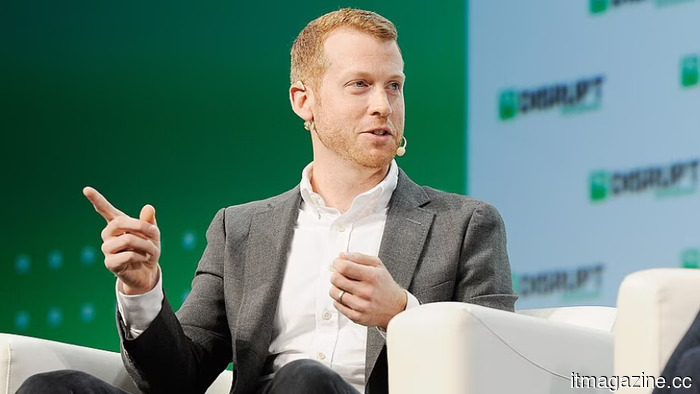 Kyle Vogt's Bot Company is facing a lawsuit for converting an Airbnb into a robot laboratory.
The Bot Company reportedly rented a house in San Francisco under deceitful circumstances and utilized it as a research and development lab for domestic robots. The homeowner is seeking $12,000 in damages.
Kyle Vogt's Bot Company is facing a lawsuit for converting an Airbnb into a robot laboratory.
The Bot Company reportedly rented a house in San Francisco under deceitful circumstances and utilized it as a research and development lab for domestic robots. The homeowner is seeking $12,000 in damages.
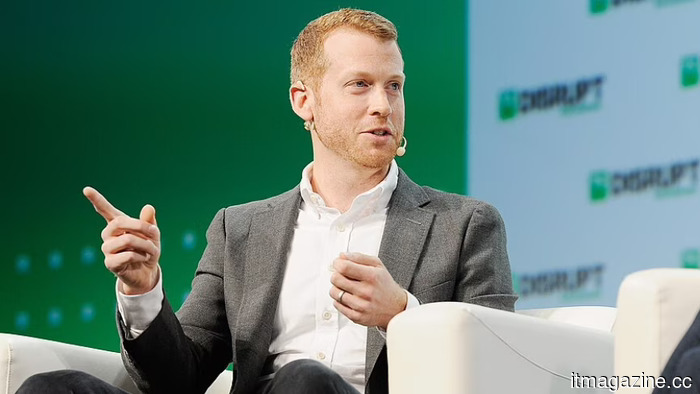 Kyle Vogt's Bot Company is facing a lawsuit for converting an Airbnb into a robotics laboratory.
The Bot Company is accused of reserving a home in San Francisco under misleading circumstances and utilizing it as a research and development lab for home robots. The property owner is suing for $12,000.
Kyle Vogt's Bot Company is facing a lawsuit for converting an Airbnb into a robotics laboratory.
The Bot Company is accused of reserving a home in San Francisco under misleading circumstances and utilizing it as a research and development lab for home robots. The property owner is suing for $12,000.
 Trump signs a memorandum that places 'the most advanced AI' under military control and prohibits suppliers from withdrawing support.
Trump's latest security memo speeds up the implementation of military AI, directs an update for autonomous weapons guidelines, and prohibits companies from deactivating deployed models.
Trump signs a memorandum that places 'the most advanced AI' under military control and prohibits suppliers from withdrawing support.
Trump's latest security memo speeds up the implementation of military AI, directs an update for autonomous weapons guidelines, and prohibits companies from deactivating deployed models.
Google's updated AI response system may simplify the texting experience.
Google Messages is said to be trialing a new feature called “tap to draft,” which utilizes AI to create longer and more contextually relevant text responses within conversations.