

Snap issued alerts to students during class time, fully aware of the potential for distraction.
From teenage ambassadors to classroom notifications, Big Tech's strategy for attracting school children has been unveiled.
A review by The New York Times of internal documents from lawsuits initiated by over 1,400 school districts against Meta, Snap, TikTok, and YouTube has disclosed that these companies intentionally targeted students, despite warnings from their own safety teams about the resulting harm.
The documents present a troubling narrative. Snapchat sent notifications to teenagers during school hours, encouraging them to share updates from their classrooms. A strategy document from Snapchat reportedly described using phones in class as “under the desk” time.
Meta escalated this effort by hiring “teen ambassadors,” compensating high school students with $45 gift cards and branded merchandise to promote Instagram among their peers. TikTok contributed millions to the National PTA, partially to support school events focused on online safety.
Did these companies understand the implications of their actions?
Yes, and this awareness makes the findings particularly alarming. TikTok’s safety team advocated for disabling notifications during school hours for years, but company leadership dismissed this suggestion. A TikTok employee remarked in 2022, “Teachers are going to hate it. Kids already have smartphone addiction in class,” in reference to a feature that encouraged users to post within three minutes.
In response, a manager stated, “If we assume teens are going to do this anyway, we’d rather have them here on TikTok.” Google shared similar accountability; a 2020 internal document noted that “investing in schools helps onboard kids into Google’s ecosystem,” while YouTube managers recognized that the algorithm was suggesting off-topic videos to students during school hours.
What lies ahead?
All four companies recently reached a settlement with Breathitt County Schools, a small district in Kentucky with around 1,500 students, for $27 million. However, this is likely just the initial step. The subsequent case involves Tucson Unified School District, which is pursuing over $1 billion in damages.
Cornell Law professor Alexandra Lahav commented on the litigation as “massive, massive lawsuits” that could potentially cost these companies billions. The companies argue that the pandemic and other issues contribute to the teenage mental health crisis and share blame with parents and schools. Whether a court concurs is an entirely different question.
Even if the court agrees, a billion dollars is a trivial amount for these companies. They will easily cover such costs while generating 100 times that amount in a year. Without criminal prosecutions against these companies for clearly causing harm to youth and the enactment of stringent laws by the government, issues like these are unlikely to be resolved soon.
Rachit is an experienced tech journalist with over a decade of experience covering the consumer technology sector.
Google introduces a new feature for following social media antics of your favorite personalities.
Google is launching a new feature aimed at simplifying how users keep track of their favorite creators, journalists, and online figures without needing to switch between various apps. Named Search Profiles, this feature offers qualifying publishers and creators a dedicated area on Google Search to highlight content from across the internet. It serves as a digital hub that compiles a creator’s most recent articles, videos, social media posts, and other relevant links in one accessible location.
Meta’s new AI Creator Assistant aims to serve as your personal content strategist.
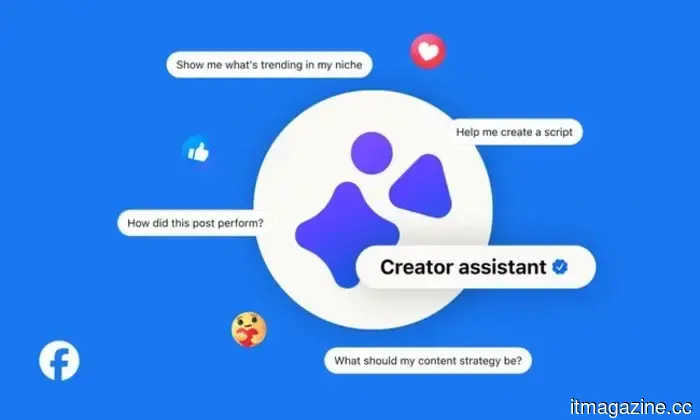
If you’re a creator on Facebook who has ever found yourself analyzing an analytics dashboard trying to understand why one reel performed significantly better than another, Meta has developed a tool for you. The company has introduced Creator Assistant, a conversational AI integrated directly into the Facebook creator dashboard. This tool is meant to provide insights beyond the numbers, explaining what is effective in your content and why. Creator Assistant is currently being rolled out to creators in the US, Canada, and India, with additional countries to follow in the coming months.
Instagram plans to reduce repetitive exposure to harmful content for teenagers.
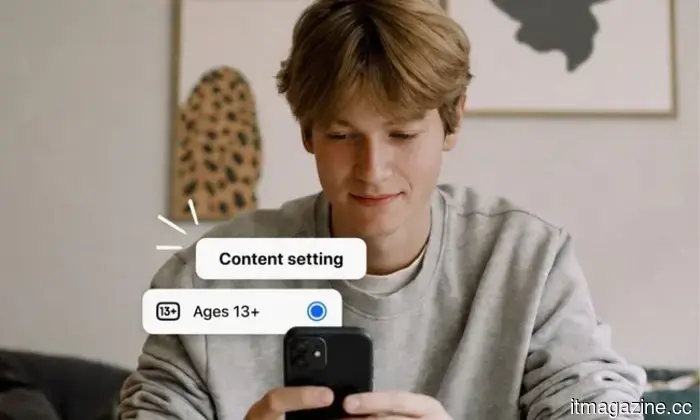
Instagram has faced criticism regarding its treatment of teenage users, and Meta is now taking tangible steps to rectify this issue. The company has announced it is testing a new feature on Instagram aimed at preventing teenagers from frequently encountering the same types of content in Explore, Feed, and Reels. This announcement is part of a larger, global initiative to enhance protections for teenage accounts across Instagram, Facebook, and Messenger.




Other articles
 The Steam Machine has been confirmed to arrive this summer, but we still lack information regarding its price.
Valve has announced that Steam Machine will be released this summer, but the price has yet to be disclosed. The newly introduced Verified program assists in clarifying game compatibility, as potential buyers await additional information that will influence their upgrade choices.
The Steam Machine has been confirmed to arrive this summer, but we still lack information regarding its price.
Valve has announced that Steam Machine will be released this summer, but the price has yet to be disclosed. The newly introduced Verified program assists in clarifying game compatibility, as potential buyers await additional information that will influence their upgrade choices.
 Google simplifies the process of keeping track of your favorite personalities' activities on social media.
Google is offering creators a new platform in Search, which may alter how you follow your favorite online figures. This update introduces a novel method to find content without constantly switching between different apps.
Google simplifies the process of keeping track of your favorite personalities' activities on social media.
Google is offering creators a new platform in Search, which may alter how you follow your favorite online figures. This update introduces a novel method to find content without constantly switching between different apps.
 This AI is capable of distinguishing between authentic online reviews and fraudulent ones, and its accuracy is quite impressive.
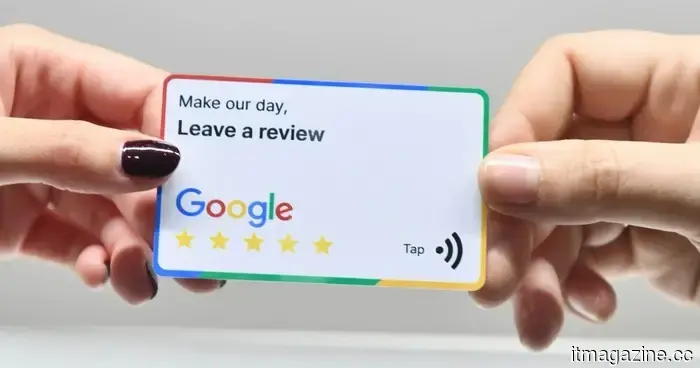
A novel AI system integrates text, images, and reviewer behavior to identify fake online reviews with an accuracy exceeding 94%, surpassing all other methods it has been compared to.
This AI is capable of distinguishing between authentic online reviews and fraudulent ones, and its accuracy is quite impressive.
A novel AI system integrates text, images, and reviewer behavior to identify fake online reviews with an accuracy exceeding 94%, surpassing all other methods it has been compared to.
Snap issued alerts to students during class time, fully aware of the potential for distraction.
Internal documents from lawsuits involving over 1,400 school districts show that Meta, Snap, TikTok, and YouTube intentionally targeted students, including during school hours.