
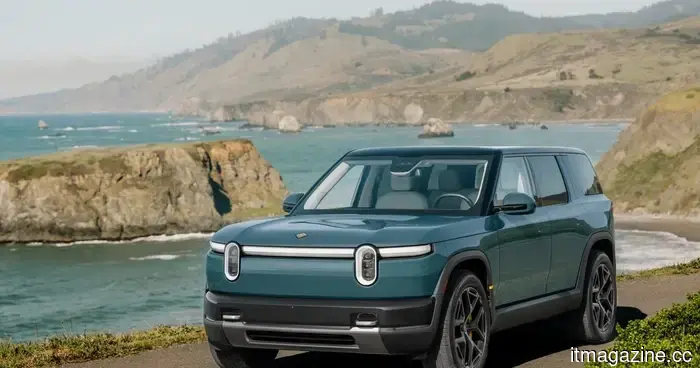
Rivian believes that Apple CarPlay is now outdated, and the reason for this is AI.
Rivian has reiterated its contentious choice to forego Apple CarPlay and Android Auto, asserting that the evolution of in-car technology is moving past smartphone mirroring altogether. The company's software leaders suggest that rapid advancements in artificial intelligence could soon render the entire CarPlay discussion moot.
These remarks come as Rivian focuses on developing its own AI-driven vehicle software ecosystem rather than utilizing Apple’s widely used in-car platform. The company has faced criticism over the years from consumers eager for CarPlay support, but Rivian now contends that AI assistants will ultimately take over many functions that drivers currently perform with their smartphones.
Rivian aims to make vehicles ‘AI-defined’ rather than app-driven
In an interview on The Verge’s Decoder podcast, Rivian Chief Software Officer Wassym Bensaid explained that advancements in AI are transforming user interactions with vehicles. He suggested that comprehensive AI integration within cars could render conventional app-based systems like Apple CarPlay obsolete.
Bensaid indicated that Rivian envisions a shift from cars being “software-defined” to “AI-defined.” The company believes that future AI assistants will manage tasks like navigation, music, messaging, and scheduling through natural conversation and contextual awareness, rather than requiring users to open individual applications.
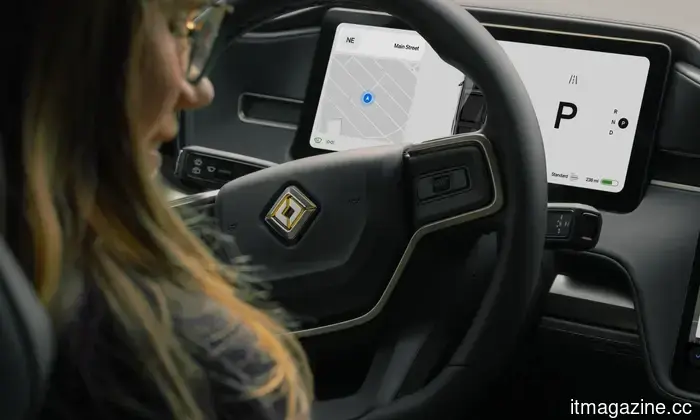
This concept is already beginning to materialize with the introduction of Rivian Assistant. This AI-enhanced voice system can manage vehicle controls, respond to inquiries, access calendar data, send messages, and interact with connected services using natural language. Rivian emphasizes that this assistant is thoroughly integrated into the vehicle, as opposed to functioning merely as an additional app layer.
Rivian argues that systems like Apple CarPlay and Android Auto create a disjointed user experience by essentially embedding a smartphone interface in the vehicle. Instead, Rivian prefers to maintain full control over its vehicle software experience, enabling AI to directly engage with the car’s systems, sensors, navigation, climate controls, and future connected services.
This position is still contentious. Apple CarPlay remains one of the most sought-after features among numerous EV purchasers, and Rivian has previously recognized that a sizable segment of its customers initially desired support for it. However, the company asserts that interest has waned as its native software experience has advanced.
Why this is significant
The discussion extends well beyond Rivian itself.
More automakers are striving to manage their software ecosystems, opting not to delegate essential elements of user experience to Apple or Google. These companies view software, subscriptions, AI services, and connected features as potential revenue sources, enhancing the value of in-house platforms over third-party integrations.
At the same time, AI is emerging as a crucial area of competition within vehicles. Rivian’s approach reflects a broader trend in the industry, with manufacturers investing significantly in voice assistants, autonomous capabilities, and AI-infused interfaces that understand context rather than merely executing commands.
What lies ahead
Rivian is likely to continue expanding its AI ecosystem, particularly with the arrival of upcoming models like the Rivian R2 and forthcoming software updates.
Whether AI can genuinely replace the ease and familiarity of Apple CarPlay is still uncertain. Many drivers maintain a preference for the apps, navigation systems, and media services they utilize daily.
However, Rivian's message is becoming increasingly pronounced: rather than incorporating CarPlay into its vehicles, the company aims to develop something it believes will ultimately render CarPlay unnecessary. The crucial question remains whether customers will concur.

Other articles
 The NBA is implementing AI to address controversial referee decisions and alleviate fan frustration.
Poor referee decisions have emerged as one of the NBA's most exasperating recurring themes, particularly during the playoffs when every play is analyzed online almost immediately. The league now seems poised to increasingly incorporate artificial intelligence to help minimize contentious officiating rulings and alleviate mounting fan frustration regarding inconsistent calls. According to [...]
The NBA is implementing AI to address controversial referee decisions and alleviate fan frustration.
Poor referee decisions have emerged as one of the NBA's most exasperating recurring themes, particularly during the playoffs when every play is analyzed online almost immediately. The league now seems poised to increasingly incorporate artificial intelligence to help minimize contentious officiating rulings and alleviate mounting fan frustration regarding inconsistent calls. According to [...]
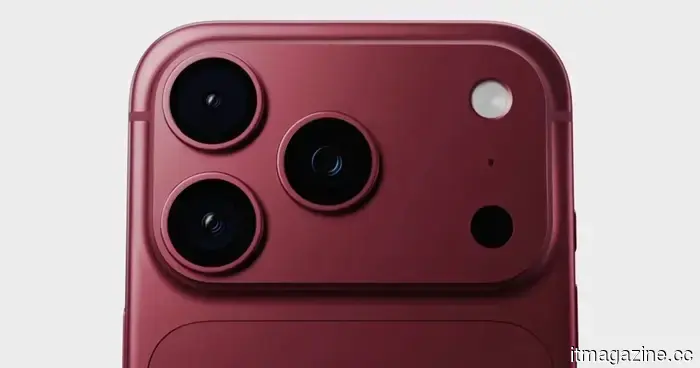 The significant camera enhancement in the iPhone 18 Pro could lead to a higher cost.
The iPhone 18 Pro from Apple is said to include a variable aperture camera system, although this sophisticated technology might lead to a notable rise in production expenses.
The significant camera enhancement in the iPhone 18 Pro could lead to a higher cost.
The iPhone 18 Pro from Apple is said to include a variable aperture camera system, although this sophisticated technology might lead to a notable rise in production expenses.
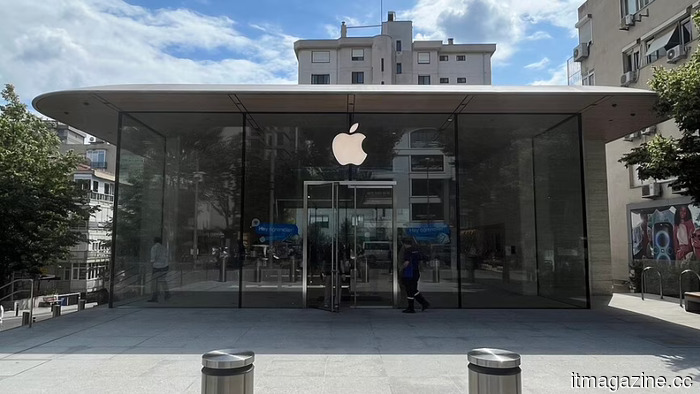 Apple has disrupted the mid-range watch market. Now, it is setting its sights on the $200 billion eyewear sector.
Swatch's revenue decreased by 28%, while Fossil saw a 70% decline following the release of the Apple Watch. Apple intends to implement a similar strategy for glasses, aiming for a launch in late 2027.
Apple has disrupted the mid-range watch market. Now, it is setting its sights on the $200 billion eyewear sector.
Swatch's revenue decreased by 28%, while Fossil saw a 70% decline following the release of the Apple Watch. Apple intends to implement a similar strategy for glasses, aiming for a launch in late 2027.
 The NBA will implement AI technology to address poor referee decisions and fan outrage.
Poor referee decisions have emerged as one of the NBA's most exasperating ongoing narratives, particularly during the playoffs when each play is scrutinized online almost immediately. The league seems prepared to embrace artificial intelligence more extensively in an effort to minimize contentious officiating choices and address the escalating frustration among fans regarding inconsistent calls. According to […]
The NBA will implement AI technology to address poor referee decisions and fan outrage.
Poor referee decisions have emerged as one of the NBA's most exasperating ongoing narratives, particularly during the playoffs when each play is scrutinized online almost immediately. The league seems prepared to embrace artificial intelligence more extensively in an effort to minimize contentious officiating choices and address the escalating frustration among fans regarding inconsistent calls. According to […]
 A comprehensive list of all Stellaris cheats and console commands.
Console commands in Stellaris can assist you in adding resources, accelerating research, initiating events, and testing empire constructions, but it's essential to first learn the correct commands.
A comprehensive list of all Stellaris cheats and console commands.
Console commands in Stellaris can assist you in adding resources, accelerating research, initiating events, and testing empire constructions, but it's essential to first learn the correct commands.
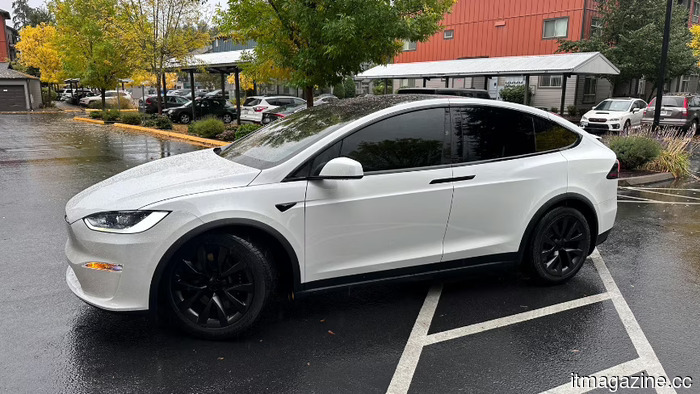 Tesla operates 42 robotaxis in Texas, while Waymo has 577. This difference is now a matter of public record.
A new law in Texas required both companies to register their vehicle fleets. Tesla self-classified its cars as Level 4, despite having previously informed regulators that they were Level 2.
Tesla operates 42 robotaxis in Texas, while Waymo has 577. This difference is now a matter of public record.
A new law in Texas required both companies to register their vehicle fleets. Tesla self-classified its cars as Level 4, despite having previously informed regulators that they were Level 2.
Rivian believes that Apple CarPlay is now outdated, and the reason for this is AI.
Rivian suggests that AI-driven vehicle assistants may ultimately substitute Apple CarPlay by providing enhanced integration and a more intuitive interaction within future automobiles.