
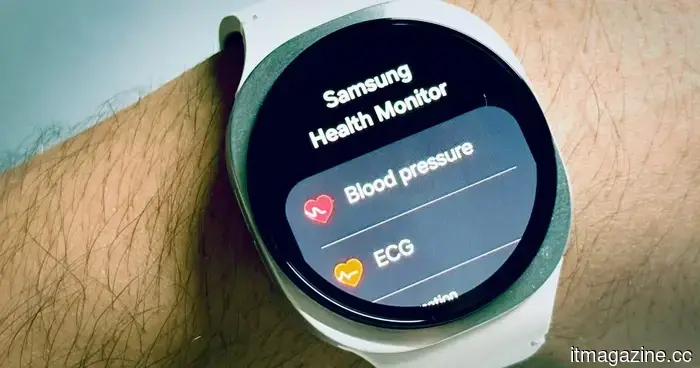
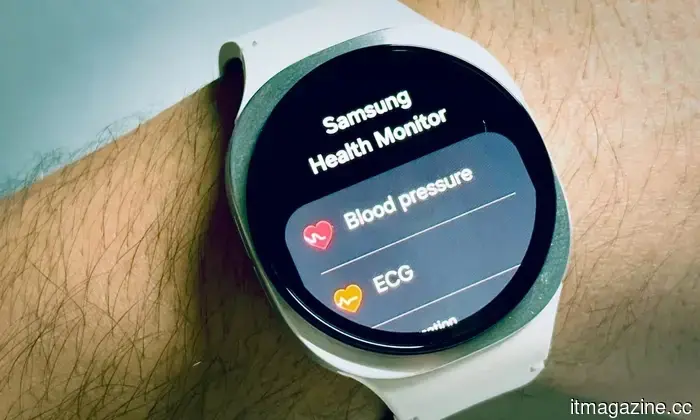
Samsung's Galaxy Watch is set to become significantly more intelligent in interpreting your health information.
Nadeem Sarwar / Digital Trends
Samsung's health tracking capabilities on their smartwatches have never really had an issue with data availability; if anything, the situation has been the reverse. Galaxy Watches already gather information on heart rate, sleep patterns, body composition, and various activity metrics, yet much of this data tends to be obscured within graphs that most users glance at once and then ignore. That may soon change.
According to a post by tipster TonySamsunglove on X, Samsung is set to unveil the first beta version of One UI 9 Watch.
From health tracking to health interpretation
For years, smartwatch manufacturers have competed to maximize the amount of health data they can gather. Apple, Samsung, Google, and other brands have equipped their devices with highly advanced sensors. The current challenge is transforming this vast amount of data into something practical. Recent rumors from TonySamsunglove indicate that Samsung intends for Galaxy AI to fulfill this role.
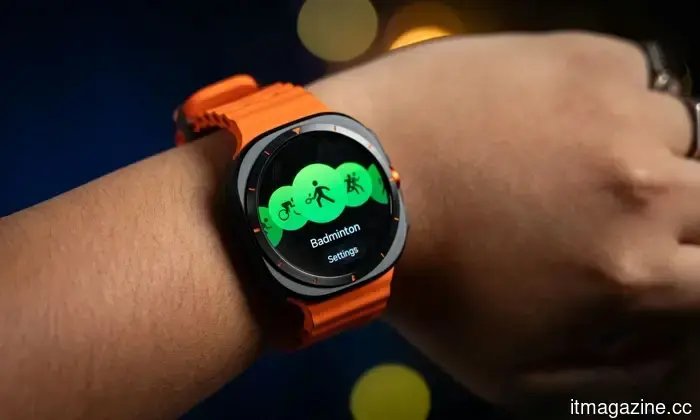
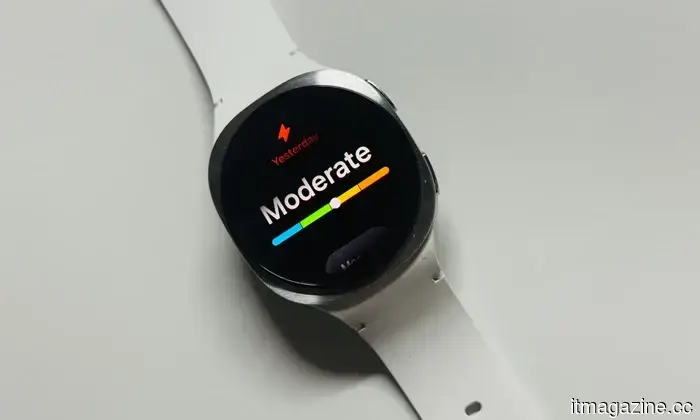
Instead of merely presenting a sleep score or resting heart rate, One UI 9 Watch is reportedly being designed to provide AI-generated health reports and more profound health insights. The software might be able to identify long-term trends, spotlight potential issues, and offer suggestions based on individual habits and behaviors. This change is significant. A user doesn't just need to know that their average sleep score was 78 the prior week; they need to understand why it fell, whether this has turned into a trend, and what adjustments could enhance it. This represents a shift from just accumulating data to actively coaching users through it. The leak also suggests that Samsung is enhancing its BioActive Sensor and developing additional health metrics, although specifics about those new measurements are not currently available.
Wear OS 7 could enhance these upgrades
The timing aligns with Google’s wider strategies for wearables. One UI 9 Watch is anticipated to be based on Wear OS 7, which promises deeper Gemini integration, better battery life, live activity updates, and improved workout tracking features. Such improvements at the platform level could provide Samsung with a more robust foundation for its AI-driven health goals. Rather than merely gathering data, Galaxy Watches could begin translating that information into meaningful connections between sleep, exercise, recovery, and overall wellness.
Nadeem Sarwar / Digital Trends
Samsung is also expected to follow its usual beta rollout approach. If past releases are indicative, the initial One UI 9 Watch beta will likely debut on the Galaxy Watch 8 series in South Korea and the U.S. before expanding to more models. For now, it is best to consider these claims as rumors. However, if the information from TonySamsunglove proves correct, One UI 9 Watch could represent Samsung's most significant advancement in transforming smartwatch health data into something truly beneficial instead of merely informative.
Shimul is a contributor to Digital Trends, bringing over five years of experience in the tech industry.
Out of nowhere, Acer has just released two stylish pairs of smart glasses
Acer's unexpected launch of smart glasses ahead of Computex 2026 introduces two genuinely functional options to the market.
In 2026, the smart glasses conversation is primarily led by a few key players: Meta, Samsung, and Google. There are other brands that already have products available, yet they may not anticipate competition from this PC and laptop brand suddenly entering the market—namely, Acer. The company has discreetly introduced two pairs of glasses in advance of Computex 2026, and neither appears to be an experimental offering.
What capabilities does Acer’s wired AR headset have?
Read more
Following smart glasses, Meta seemingly aims to get you to wear its all-listening AI pendant
Meta’s aspirations for smart glasses are no longer a secret. The company has spent recent years persuading people that AI should be a staple on their faces. Now, if a new report is correct, it seeks to get even closer. According to a report from The Information, Meta is developing an AI-driven pendant that it plans to start testing in the coming year. This wearable would join an increasingly crowded array of AI hardware, but unlike smart glasses, this device may spend most of its time quietly eavesdropping from around your neck.
That notion may sound familiar because it is. Meta acquired the AI startup Limitless in 2025, which had a flagship product literally named the Pendant—a clip-on microphone designed to consistently capture conversations and ambient sounds and convert them into searchable transcripts, summaries, and reminders. At the time, this acquisition seemed like a strategic investment in AI wearables. Now, it looks like Meta might be ready to capitalize on it.
Open-ear earbuds are the new headphones for those seeking plausible deniability
They allow you to keep the surrounding noise audible, enjoy your podcast, and blur social interactions just enough to navigate through another workday.
I appreciate noise-canceling earbuds since they prevent the outside world from intruding without consent. A few blocks to the gym shouldn’t require listening to every motorcycle, car horn



Other articles
 Social media firms compensated a school district with an amount exceeding its yearly budget in order to prevent a trial.
Financial specifics regarding the Breathitt County settlement indicate the cost of preventing the initial school addiction trial. An additional 1,300 districts are in anticipation.
Social media firms compensated a school district with an amount exceeding its yearly budget in order to prevent a trial.
Financial specifics regarding the Breathitt County settlement indicate the cost of preventing the initial school addiction trial. An additional 1,300 districts are in anticipation.
 Social media firms compensated a school district with an amount exceeding its yearly budget to prevent going to trial.
Financial information regarding the Breathitt County settlement shows the cost of preventing the initial school addiction trial. An additional 1,300 districts are on standby.
Social media firms compensated a school district with an amount exceeding its yearly budget to prevent going to trial.
Financial information regarding the Breathitt County settlement shows the cost of preventing the initial school addiction trial. An additional 1,300 districts are on standby.
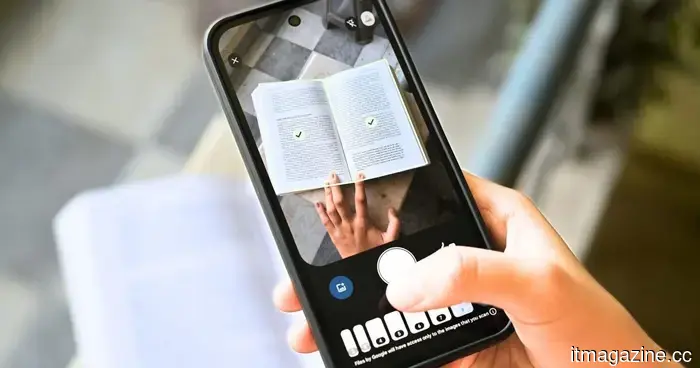 Google Drive can now scan your documents in batches and alleviate some of your other frustrations as well.
Google Drive's updated document scanner allows you to scan a stack of pages in a single smooth motion, automatically corrects blurry images, and omits duplicates.
Google Drive can now scan your documents in batches and alleviate some of your other frustrations as well.
Google Drive's updated document scanner allows you to scan a stack of pages in a single smooth motion, automatically corrects blurry images, and omits duplicates.
 Meta is developing an AI pendant and is also preparing to launch a business subscription service called Wearables for Work.
An internal memo indicates that Meta plans to begin testing the pendant next year, following its acquisition of Limitless. Reality Labs experienced a loss of $4 billion last quarter.
Meta is developing an AI pendant and is also preparing to launch a business subscription service called Wearables for Work.
An internal memo indicates that Meta plans to begin testing the pendant next year, following its acquisition of Limitless. Reality Labs experienced a loss of $4 billion last quarter.
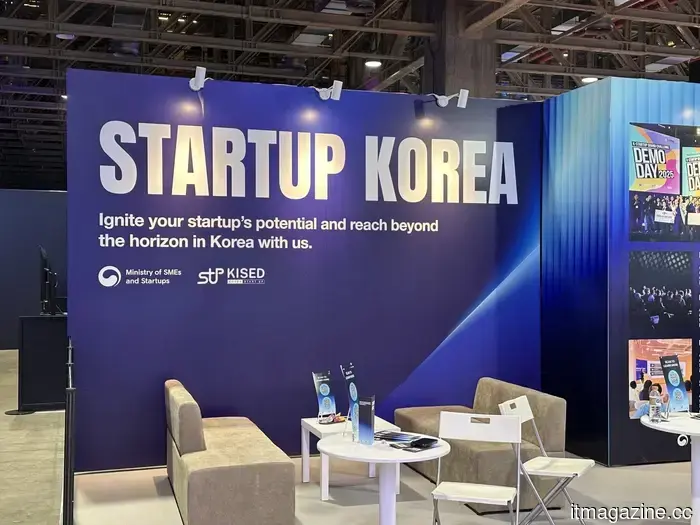 KISED showcases South Korea's startup environment and support initiatives at the BEYOND Expo.
At BEYOND Expo 2026, the Korea Institute of Startup & Entrepreneurship Development (KISED) showcased South Korea's startup ecosystem and
KISED showcases South Korea's startup environment and support initiatives at the BEYOND Expo.
At BEYOND Expo 2026, the Korea Institute of Startup & Entrepreneurship Development (KISED) showcased South Korea's startup ecosystem and
 Meta is developing an AI pendant and also intends to launch a business subscription service named Wearables for Work.
An internal memo indicates that Meta will begin testing the pendant next year, following its Limitless acquisition. Last quarter, Reality Labs reported a loss of $4 billion.
Meta is developing an AI pendant and also intends to launch a business subscription service named Wearables for Work.
An internal memo indicates that Meta will begin testing the pendant next year, following its Limitless acquisition. Last quarter, Reality Labs reported a loss of $4 billion.
Samsung's Galaxy Watch is set to become significantly more intelligent in interpreting your health information.
Your Galaxy Watch may soon improve its ability to connect information. Samsung's upcoming update might transform the way you utilize your health data.