
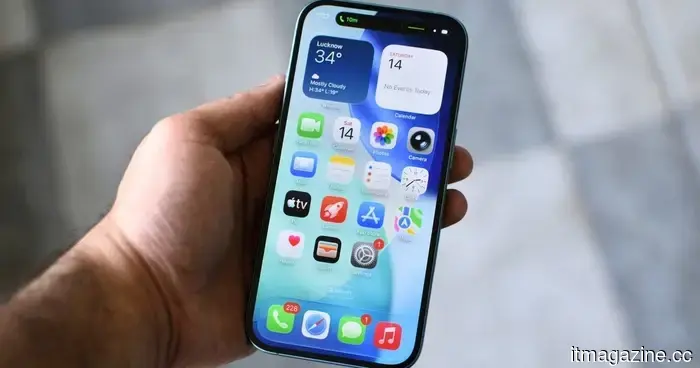
Apple might adopt Android’s most effective anti-theft feature for upcoming iPhones.
Apple may soon implement a new anti-theft feature that aims to make stolen iPhones notably harder to access, closely resembling a useful security tool found on Android devices. According to a report from 9to5Mac, Apple is developing a system that can automatically recognize when an iPhone has been forcibly taken from a user's hands and locks the device immediately to protect sensitive information from thieves.
This feature will reportedly utilize a mix of motion sensors, accelerometer data, and contextual signals to detect whether the phone has been abruptly grabbed and moved in an unnatural manner. If the system suspects a theft, it will automatically activate a lock state to prevent unauthorized access.
Apple is tackling a significant security vulnerability
This initiative addresses a growing concern related to smartphone theft. Current iPhone protections, like Stolen Device Protection and Find My, offer some security for user data once a phone is missing, but they are much less effective if the device is already unlocked when stolen.
Such gaps have become increasingly prevalent in real-world theft incidents, particularly in busy urban areas where thieves swiftly snatch unlocked phones and disable security settings, reset passwords, or access banking applications before the owner can respond.
Dimitri Karastelev / unsplash
Apple's new approach seems to draw heavy inspiration from Android's Theft Detection Lock feature introduced with Android 15. Google's system employs AI and motion sensors to detect sudden movements that are often associated with theft, such as a person quickly snatching a phone and fleeing on foot, a bike, or in a vehicle. Once activated, the Android device locks itself and engages additional security measures.
As per the report, Apple’s version may take this further by using proximity data from a paired Apple Watch to verify whether the phone remains close to its owner. The company may also incorporate location data utilized in Stolen Device Protection to ascertain if the iPhone is situated in a familiar environment like home or work.
If the device identifies suspicious activity in an unfamiliar area, it could automatically limit access to sensitive configurations, account adjustments, passwords, and security controls.
The significance of this development
This feature has the potential to be among Apple's most practical security enhancements in years since it addresses a specific real-world issue rather than merely focusing on remote device recovery.
Shikhar Mehrotra / Digital Trends
It also illustrates a broader trend in the smartphone market where manufacturers are increasingly adopting effective ideas from one another. While Apple typically emphasizes privacy and ecosystem integration, Android makers have recently accelerated development in AI-driven theft detection and proactive security systems.
For users, the primary benefit would be increased peace of mind. If implemented successfully, the new feature could greatly minimize the brief opportunity thieves now exploit after stealing unlocked phones.
What’s next
Apple has not yet officially confirmed the feature, and there is no set release timeline at this point. However, the report indicates that the system is currently in active development, hinting it might be included in a future iOS update, potentially debuting with iOS 27 later this year.
If Apple manages to integrate the feature into its overall iPhone security framework, it could represent one of the more significant real-world applications of on-device AI and sensor technology in upcoming iPhones.
Other articles
 Apple might incorporate Android’s most intelligent anti-theft feature into future iPhones.
Apple is said to be working on a theft detection feature that utilizes motion sensors, AI, and proximity data from Apple Watches to automatically lock stolen iPhones.
Apple might incorporate Android’s most intelligent anti-theft feature into future iPhones.
Apple is said to be working on a theft detection feature that utilizes motion sensors, AI, and proximity data from Apple Watches to automatically lock stolen iPhones.
 AI models exhibit a bias toward certain religions, and recent research has revealed this issue.
Researchers evaluated 14 prominent AI models for religious bias and identified a consistent trend: the models subtly prioritize certain religions over others, with Grok exhibiting the most pronounced bias, while Anthropic and Meta achieved the best performance.
AI models exhibit a bias toward certain religions, and recent research has revealed this issue.
Researchers evaluated 14 prominent AI models for religious bias and identified a consistent trend: the models subtly prioritize certain religions over others, with Grok exhibiting the most pronounced bias, while Anthropic and Meta achieved the best performance.
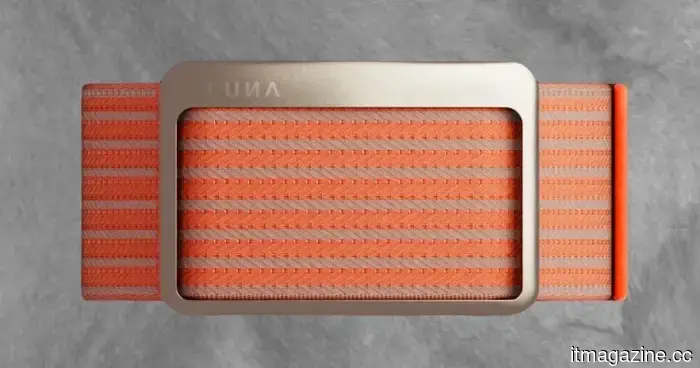 Luna is wagering that you're weary of fitness subscriptions and suggesting its screenless band as the answer.
Luna's initial screenless fitness band will be launched in July, featuring no subscription fee. It includes voice-activated health logging, a battery life of 10 days, and is compatible with LifeOS for support with Siri and Gemini.
Luna is wagering that you're weary of fitness subscriptions and suggesting its screenless band as the answer.
Luna's initial screenless fitness band will be launched in July, featuring no subscription fee. It includes voice-activated health logging, a battery life of 10 days, and is compatible with LifeOS for support with Siri and Gemini.
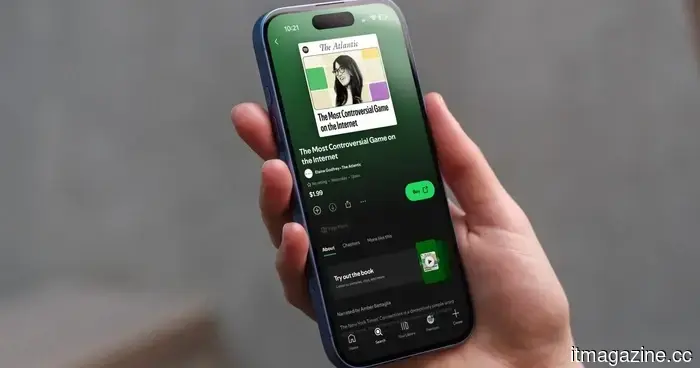 Spotify has simplified the process of keeping up with lengthy reads without the need to read them yourself.
Spotify is launching over 650 narrated magazine articles from publications such as Rolling Stone, Vogue, WIRED, and others. Premium subscribers can begin listening to these articles using their audiobook allowance starting today.
Spotify has simplified the process of keeping up with lengthy reads without the need to read them yourself.
Spotify is launching over 650 narrated magazine articles from publications such as Rolling Stone, Vogue, WIRED, and others. Premium subscribers can begin listening to these articles using their audiobook allowance starting today.
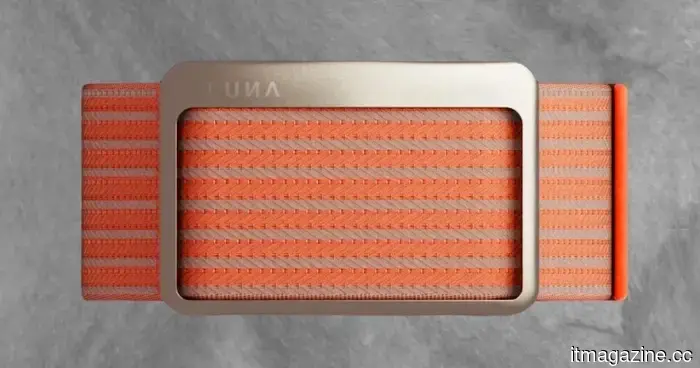 Luna believes you might be weary of fitness subscriptions and is presenting its screenless band as a solution.
Luna's initial screenless fitness band will launch in July, featuring no subscription fee. It offers voice-activated health logging, a 10-day battery life, and supports LifeOS for both Siri and Gemini.
Luna believes you might be weary of fitness subscriptions and is presenting its screenless band as a solution.
Luna's initial screenless fitness band will launch in July, featuring no subscription fee. It offers voice-activated health logging, a 10-day battery life, and supports LifeOS for both Siri and Gemini.
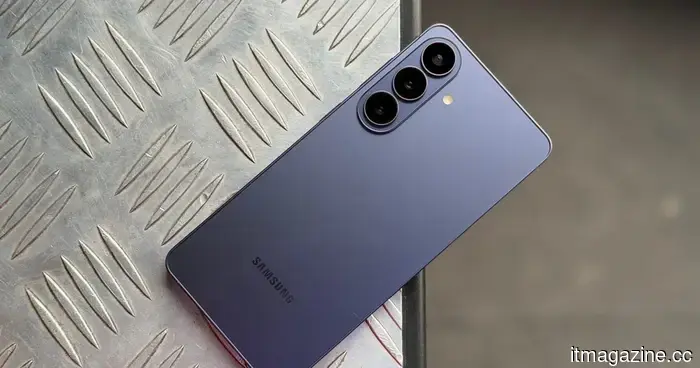 Next month, the taxation on Samsung's Galaxy flagship could become more burdensome.
Samsung’s premium smartphones in Greece may experience a price increase starting in June, as a report suggests that the Galaxy S, Galaxy Z, and Galaxy FE models could rise by at least €100.
Next month, the taxation on Samsung's Galaxy flagship could become more burdensome.
Samsung’s premium smartphones in Greece may experience a price increase starting in June, as a report suggests that the Galaxy S, Galaxy Z, and Galaxy FE models could rise by at least €100.
Apple might adopt Android’s most effective anti-theft feature for upcoming iPhones.
Apple is said to be working on a theft detection feature that utilizes motion sensors, AI, and proximity data from the Apple Watch to automatically lock stolen iPhones.