
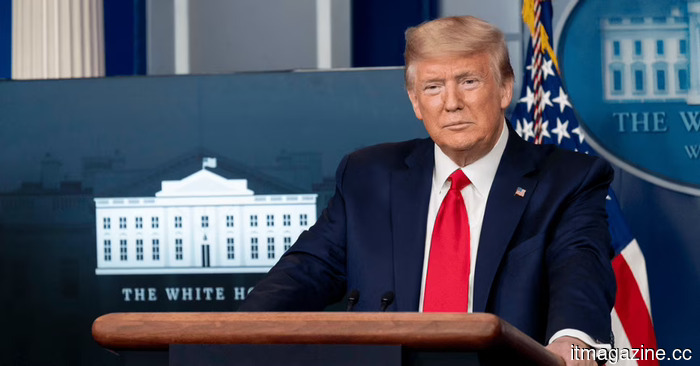
This week, Trump is set to sign an order for AI oversight as pressure from MAGA supporters intensifies on leading model laboratories.
The proposed executive order, anticipated as soon as Thursday, establishes a voluntary 90-day pre-release model-disclosure framework involving the federal government, with essential infrastructure providers such as banks included from the outset. Steve Bannon and Amy Kremer have been advocating for a stricter, mandatory approach.
According to a report by Reuters on Wednesday, President Donald Trump is likely to sign an executive order on AI oversight by Thursday, facing increasing pressure from segments of his political base that demand tighter security reviews for advanced AI systems.
This draft order creates a voluntary framework whereby AI developers must grant the federal government pre-release access to high-capacity models 90 days ahead of public release, along with pre-release access for crucial infrastructure operators like banks.
The political impetus that has brought this order to the signing stage is notably peculiar. Analysis from U.S. News & World Report suggests the emergence of a coalition within the broader MAGA base, including former Trump advisor Steve Bannon and right-wing political organizer Amy Kremer, who have been urging the White House to implement a mandatory security review for the most advanced frontier models.
Bannon suggests that the launches of Anthropic’s Mythos and OpenAI’s GPT-5.5-Cyber have altered the cyber-threat landscape significantly, prompting urgent federal attention.
The order’s voluntary framework represents a carefully negotiated compromise within the West Wing. Advisors with industry interests, like David Sacks, have countered against the mandatory-disclosure narrative on competitiveness grounds, while national-security advocates aligned with Bannon and Kremer have pushed for stricter measures.
The voluntary 90-day window structure emanates from these internal discussions. Based on the draft, the order does not impose civil or criminal penalties for those who choose not to participate, though opting out is portrayed as a stance the government may publicly address.
The model-disclosure framework is designed in response to a specific cybersecurity threat landscape. Anthropic’s prior commitment to share Mythos findings with partner governments, along with previous briefings about Mythos's cyber capabilities, laid the groundwork for what the executive order codifies domestically.
The Trump administration's representation indicates that this voluntary regime will grant federal cybersecurity agencies, such as CISA and NSA’s Cybersecurity Collaboration Center, the same pre-public-release opportunity that the company has already extended to foreign intelligence partners regarding the Mythos cycle.
The pre-release access for critical infrastructure is the aspect of the order expected to be implemented quickly. Legal analysis from Vorys describes the critical infrastructure category as including banks, energy companies, telecom providers, and large healthcare networks.
The 90-day period aims to provide these operators with enough time to assess their own defenses against the new frontier models before these models are publicly deployed.
This order emerges during a politically sensitive moment. The Trump-Xi Beijing summit, focusing on AI regulations and Nvidia H200 export licensing, has established the bilateral framework shaping the US-China AI policy context.
This executive order, set to be signed this week, complements the domestic side of this framework and addresses the security review identified as lacking in the bilateral discussions.
Local news coverage has highlighted the pressure from the MAGA base that influenced the timing of the order, aligning its release with messaging around AI safety in addition to any specific cybersecurity threat.
The White House has not released the final text of the order ahead of the signing. Details such as the list of voluntary participants, the coordinating federal agency for the 90-day disclosure framework, the specific critical-infrastructure recipients of pre-release access, and the timeline for the first model disclosed under this framework remain unconfirmed.
The administration has indicated that OpenAI, Anthropic, Google DeepMind, Meta, and Microsoft are all expected to participate at launch. The next significant milestone will be the initial model disclosed under the voluntary framework, which, according to the White House’s timeline, could occur before the end of Q3 2026.
Other articles
 AMD has pledged over $10 billion to Taiwan's AI ecosystem, with ASE, SPIL, and Helios being the prominent results.
AMD has revealed investments exceeding $10 billion in Taiwan's AI semiconductor ecosystem, designating ASE and SPIL as packaging partners, while the rack-scale Helios platform is planned for customer deployment in the second half of 2026.
SpaceX submits S-1, paving the way for what could become the largest IPO in history.
SpaceX has submitted its S-1 prospectus to the US SEC, paving the way for what could become the biggest IPO in the history of financial markets.
Malaysia has issued a statutory demand to TikTok due to shortcomings in content moderation.
The Communications and Multimedia Commission of Malaysia has formally issued a Section 39 statutory demand to TikTok due to an ongoing inability to manage inappropriate content.
Malaysia has issued a legal demand to TikTok regarding shortcomings in content moderation.
Malaysia's Communications and Multimedia Commission has formally delivered a Section 39 statutory demand to TikTok due to its ongoing inability to manage inappropriate content.
AMD has pledged over $10 billion to Taiwan's AI ecosystem, with ASE, SPIL, and Helios being the prominent results.
AMD has revealed investments exceeding $10 billion in Taiwan's AI semiconductor ecosystem, designating ASE and SPIL as packaging partners, while the rack-scale Helios platform is planned for customer deployment in the second half of 2026.
SpaceX submits S-1, paving the way for what could become the largest IPO in history.
SpaceX has submitted its S-1 prospectus to the US SEC, paving the way for what could become the biggest IPO in the history of financial markets.
Malaysia has issued a statutory demand to TikTok due to shortcomings in content moderation.
The Communications and Multimedia Commission of Malaysia has formally issued a Section 39 statutory demand to TikTok due to an ongoing inability to manage inappropriate content.
Malaysia has issued a legal demand to TikTok regarding shortcomings in content moderation.
Malaysia's Communications and Multimedia Commission has formally delivered a Section 39 statutory demand to TikTok due to its ongoing inability to manage inappropriate content.
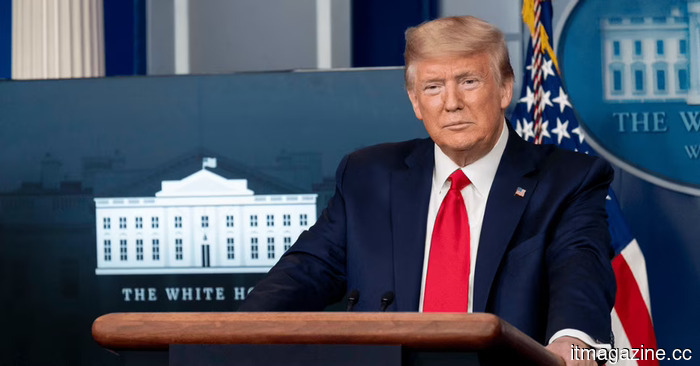 Trump is set to sign an AI oversight order this week as MAGA security concerns intensify regarding frontier-model laboratories.
President Trump is anticipated to sign an executive order regarding AI oversight as soon as Thursday, establishing a voluntary framework for model disclosure prior to release that will last for 90 days, involving the federal government and operators of critical infrastructure.
Trump is set to sign an AI oversight order this week as MAGA security concerns intensify regarding frontier-model laboratories.
President Trump is anticipated to sign an executive order regarding AI oversight as soon as Thursday, establishing a voluntary framework for model disclosure prior to release that will last for 90 days, involving the federal government and operators of critical infrastructure.
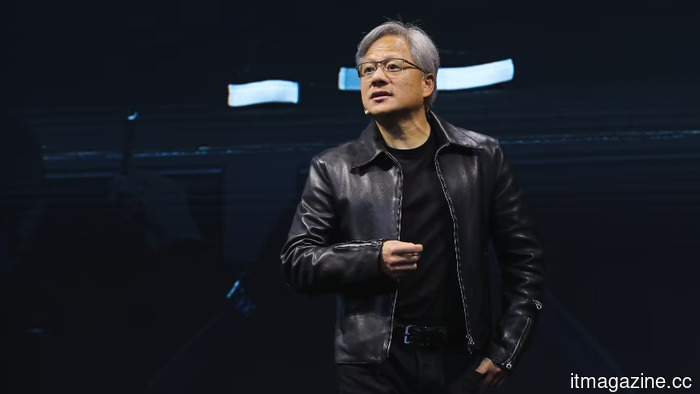 China halts imports of NVIDIA's RTX 5090D V2 while Jensen Huang visited Beijing.
On May 15, 2026, China halted the issuance of import permits for Nvidia's RTX 5090D V2, coinciding with CEO Jensen Huang's presence in Beijing with Donald Trump's state visit delegation.
China halts imports of NVIDIA's RTX 5090D V2 while Jensen Huang visited Beijing.
On May 15, 2026, China halted the issuance of import permits for Nvidia's RTX 5090D V2, coinciding with CEO Jensen Huang's presence in Beijing with Donald Trump's state visit delegation.
This week, Trump is set to sign an order for AI oversight as pressure from MAGA supporters intensifies on leading model laboratories.
President Trump is anticipated to sign an executive order concerning AI oversight as soon as Thursday, establishing a voluntary framework for model disclosure that will last 90 days prior to release, involving the federal government and operators of critical infrastructure.