
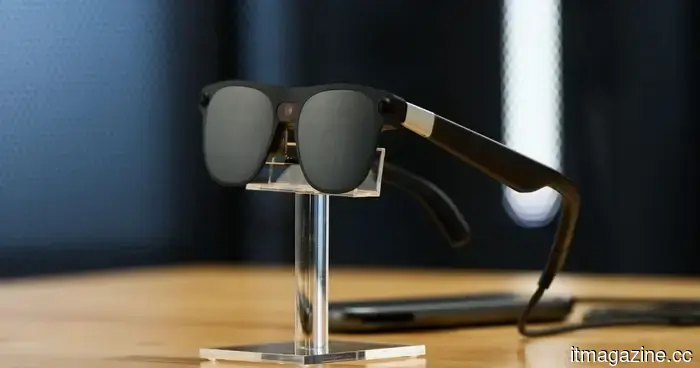
The smart glasses from Google and Xreal, known as Project Aura, are set to be released later this year.
Xreal Project Aura smart glasses feature integrated display units and are compatible with Android applications.
Google
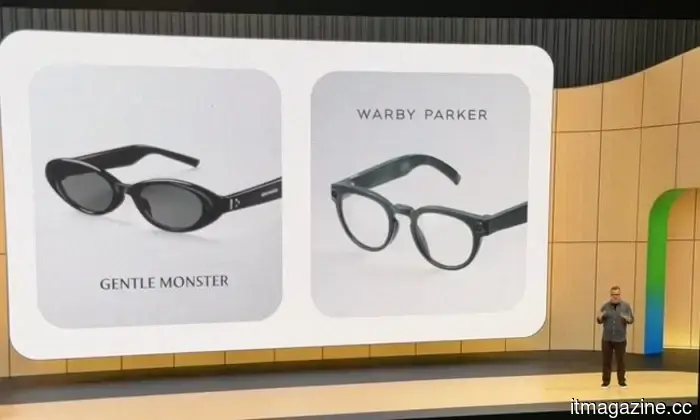
Google is developing a variety of smart glasses. The initial model running on the Android XR platform created by Samsung is anticipated to launch around July. The market appears set to become quite competitive soon. Earlier today at the I/O 2026 Developers Conference, Google also unveiled a new type of audio glasses created in collaboration with Warby Parker and Gentle Monster.
The Xreal Project Aura smart glasses are the standout product, offering full hand gesture recognition and a mixed reality view for Android applications accessible via the Play Store. These smart glasses were initially revealed in December 2025, but Xreal confirmed today that the Project Aura smart glasses will be available in 2026.
Google
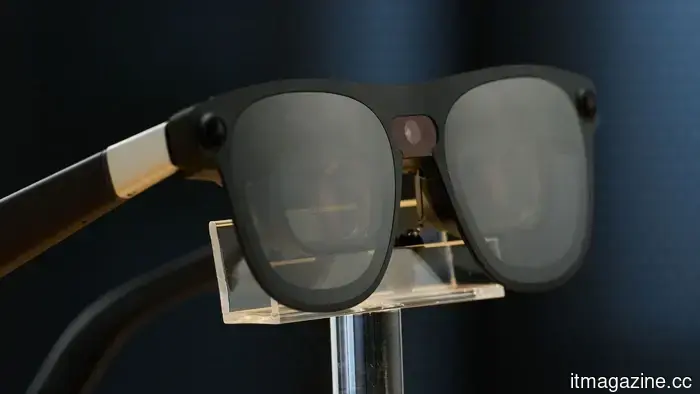
The Xreal Project Aura smart glasses include a built-in display that provides a 70° field of view, which the company claims is the largest FOV ever offered by an AR glasses model. With this display, digital content can be superimposed in your line of sight while maintaining a clear view of your surroundings. The company emphasizes that you can use multiple app windows and experience the full functionality of Android applications without any workarounds.
Xreal
This offers a complete Android experience. Until now, the Xreal smart glasses available to consumers had been running a customized version of Xreal's proprietary software accessed through an application. The only way to use Android on Xreal smart glasses was by mirroring them from a smartphone or connecting them to a PC to operate Windows or macOS.
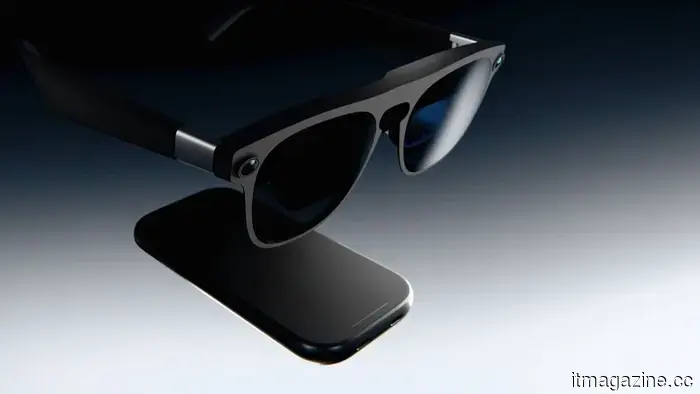
They supported multiple windows, providing a substantial digital workspace to run various apps side by side. These virtual windows could be positioned either fixed in space or configured to track your head movements. With Project Aura, Xreal is eliminating software limitations, enabling these smart glasses to operate with the native Android XR experience, along with multiple Gemini capabilities. The demo videos released by the company so far have showcased these glasses connecting to a smartphone-shaped device via a cable.
Xreal
Unlike the audio glasses demonstrated by Google earlier today, these glasses will require a wired connection to deliver the full Android XR experience due to processing constraints. Regarding processing power, Qualcomm will provide the chip for the Xreal Project Aura smart glasses, featuring a dual-chip architecture that includes Snapdragon silicon and a custom X1S processor.
Nadeem is the Managing Editor at Digital Trends.
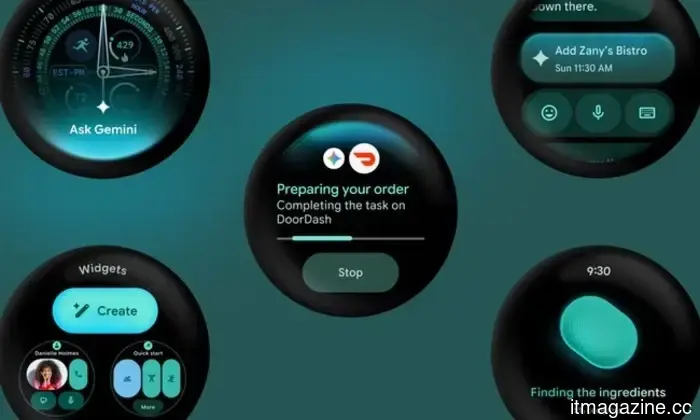
Wear OS 7 promises a 10% improvement in battery life and introduces Gemini Intelligence... for select models in 2026.
Restricting Gemini Intelligence to a limited number of future watches while existing Pixel Watch users remain in waiting is precisely the kind of fine print that can turn an encouraging announcement into a disappointing one.
Google revealed Wear OS 7 at I/O 2026, and for Pixel Watch owners who have witnessed Apple adding features to watchOS over the years, this could feel like a long-awaited vindication. The newest Wear OS update claims a battery life increase of up to 10% compared to Wear OS 6, which is significant for a device where every hour of battery matters. Additionally, Gemini Intelligence will be coming to Pixel Watches later this year (with an asterisk as large as a watch face).
Read more
Google unveils Android audio glasses created in partnership with Gentle Monster and Warby Parker
Developed collaboratively with Warby Parker and Gentle Monster, the smart glasses are set to be released later this year.
At the I/O 2026 Developer Conference, Google introduced the forthcoming Gemini-powered Intelligent Eyewear. Built on the Android XR framework, these glasses are a product of collaboration with Samsung and Qualcomm, while the design elements have been shaped by Gentle Monster and Warby Parker. This partnership mirrors the collaboration that Meta initiated with Ray-Ban for their smart glasses, later expanding to Oakley as well. Google refers to them as audio glasses because they do not feature a built-in screen, and most interactions with Gemini will be conducted through voice and audio commands. The front of these smart glasses includes two cameras for image capture and environmental awareness. Based on the input from these cameras, users will be able to ask questions.
Read more
The Marshall Milton ANC is priced at $229, lasts 80 hours, and has a replaceable battery.
Marshall set the price for the Milton ANC at $229 and incorporated features that competitors like Sony and Bose typically reserve for their higher-end products: a replaceable battery, adaptive ANC, LDAC support, and 80 hours of listening time.
Marshall has a reputation for designing headphones reminiscent of those left behind at 1970s rock concerts, which the new Milton ANC continues. Setting aesthetics aside for a moment, the technical specifications of these headphones are compelling at $229. Announced on May 19, 2026, the Milton ANC can be purchased through Marshall’s website. They represent the company’s first on-ear headphones with adaptive noise cancellation, positioned between the Major V ($149) and the Monitor III ANC ($349



Other articles
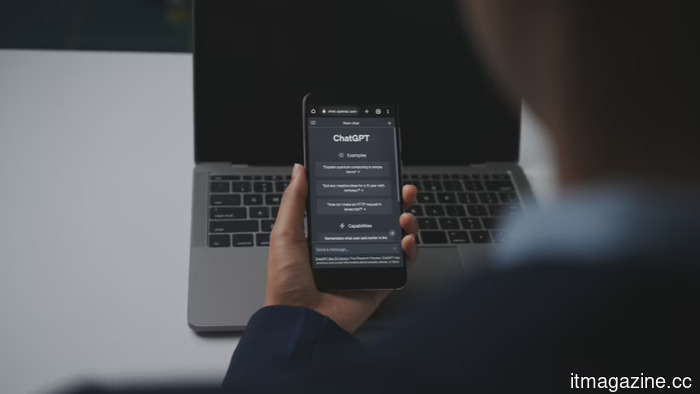 ChatGPT, Claude, Gemini, and Grok are not prepared to inform American voters.
Chatbots are not dependable for news updates. With the midterm elections 167 days away, let's examine what existing research reveals about ChatGPT, Claude, Gemini, and Grok, along with the actions being taken by the labs.
ChatGPT, Claude, Gemini, and Grok are not prepared to inform American voters.
Chatbots are not dependable for news updates. With the midterm elections 167 days away, let's examine what existing research reveals about ChatGPT, Claude, Gemini, and Grok, along with the actions being taken by the labs.
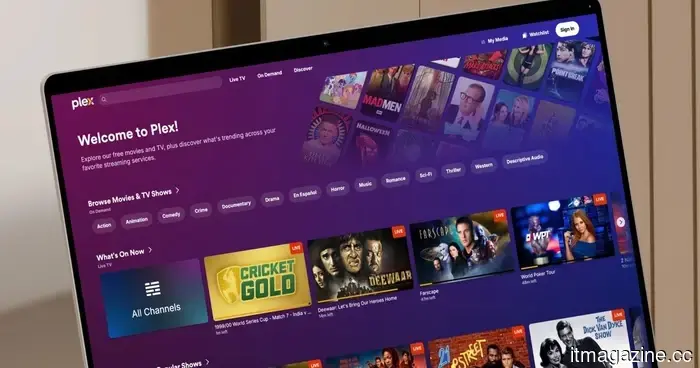 Plex aims to push its users into a subscription entrapment, and to be honest, it frustrates me a bit.
Plex will increase its Lifetime Plex Pass price from $249.99 to $749.99 starting July 1, 2026. Although it's presented as positive news, I'm not convinced, either figuratively or literally.
Plex aims to push its users into a subscription entrapment, and to be honest, it frustrates me a bit.
Plex will increase its Lifetime Plex Pass price from $249.99 to $749.99 starting July 1, 2026. Although it's presented as positive news, I'm not convinced, either figuratively or literally.
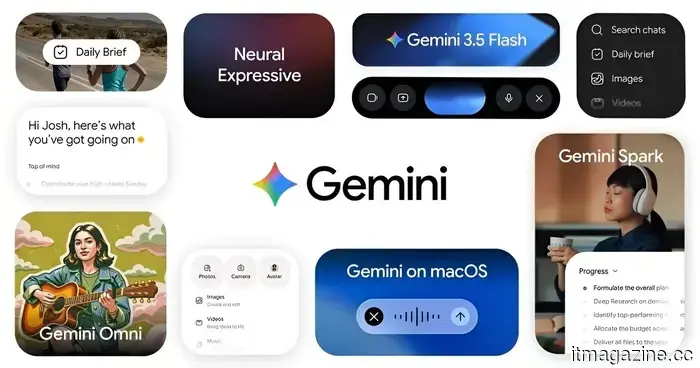 Gemini is now able to create videos, summarize your morning, and handle digital tasks while you rest.
Google's Gemini app is undergoing a significant enhancement, which includes cinematic video creation, morning summaries, more detailed responses, and a round-the-clock assistant that manages tasks.
Gemini is now able to create videos, summarize your morning, and handle digital tasks while you rest.
Google's Gemini app is undergoing a significant enhancement, which includes cinematic video creation, morning summaries, more detailed responses, and a round-the-clock assistant that manages tasks.
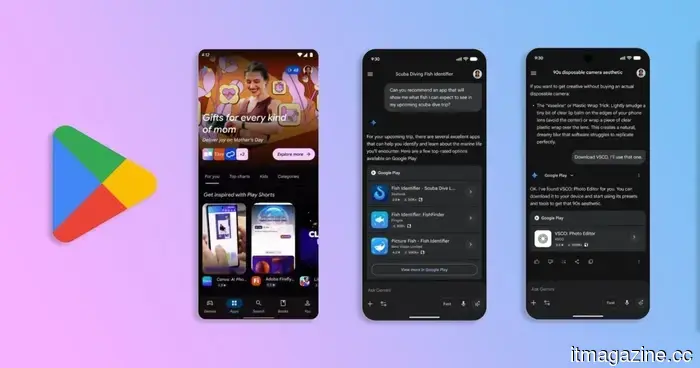 Google Play is introducing app previews similar to TikTok and incorporating AI-driven search features.
Google has announced the integration of Google Play with the Gemini app, which will enhance app and content discovery. The company has also introduced Play Shorts, a short video feed for exploring apps, along with Ask Play, a conversational AI search feature that assists users in finding the appropriate apps.
Google Play is introducing app previews similar to TikTok and incorporating AI-driven search features.
Google has announced the integration of Google Play with the Gemini app, which will enhance app and content discovery. The company has also introduced Play Shorts, a short video feed for exploring apps, along with Ask Play, a conversational AI search feature that assists users in finding the appropriate apps.
 French firms are offering $10 billion for one of the five planned AI gigafactory locations in the EU.
A French consortium led by Scaleway has submitted a bid of approximately $10 billion to construct one of the European Union's proposed AI gigafactories.
French firms are offering $10 billion for one of the five planned AI gigafactory locations in the EU.
A French consortium led by Scaleway has submitted a bid of approximately $10 billion to construct one of the European Union's proposed AI gigafactories.
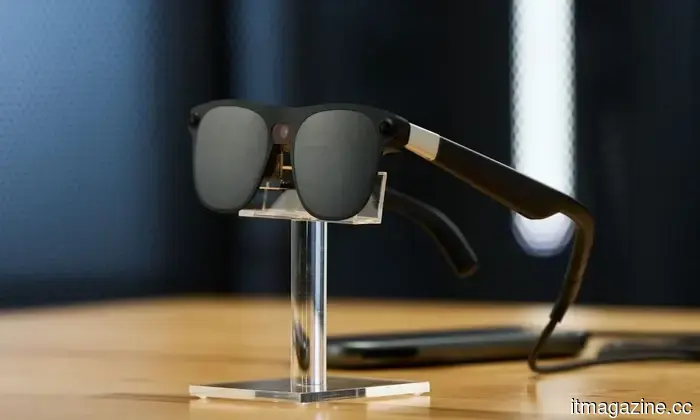
The smart glasses from Google and Xreal, known as Project Aura, are set to be released later this year.
Xreal's Project Aura smart glasses incorporate built-in display units, offering an extensive field of view.