

Intel unveils Project Firefly, aimed at producing affordable Wildcat Lake laptops that compete with the MacBook Neo.
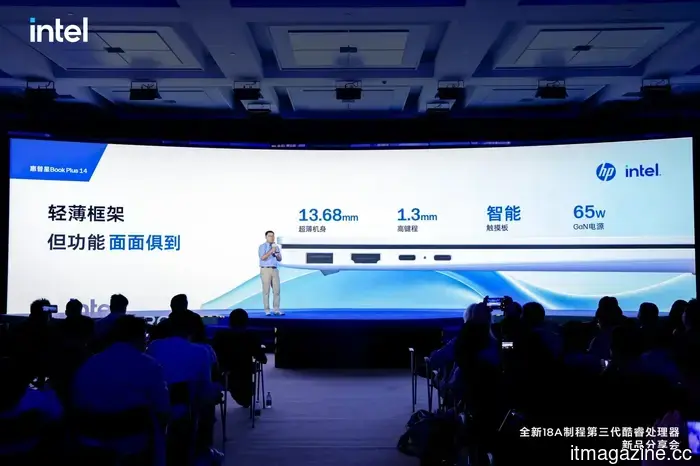
Intel is making efforts to improve the appeal of budget Windows laptops by launching Project Firefly in conjunction with its Wildcat Lake laptop chips. This initiative provides PC manufacturers with a standardized hardware framework aimed at creating thinner, more streamlined, and cost-effective systems that can more directly compete with Apple's MacBook Neo. The goal is straightforward: reduce the compromises commonly found in budget laptops.
Intel reports that the initial rollout will feature over 70 designs, with manufacturers adopting a more coherent approach to components, layout, and system architecture. Early models utilizing Wildcat Lake start at approximately $449, with others priced around $600.
The core of Project Firefly lies in Intel's supply-chain strategy.
As highlighted by a VideoCardz report, Intel intends to leverage China's mobile phone supply chain to reduce production costs for Wildcat Lake laptops on a larger scale. The Firefly initiative also highlights collaboration among upstream and downstream partners on system design, component selection, and cost management.
A key element in this hardware enhancement is a 50-pin connector. Intel encourages PC makers to utilize shared components, modular motherboard and I/O designs, and facilitate parts reuse. This approach could lead to more consistent value laptops across different brands, making them easier to service.
Why might Apple be concerned about uniformity?
Project Firefly targets one of Apple’s key strengths: its comprehensive control over the entire device.
Intel's plan features a cohesive design strategy, along with a motherboard design that is 5% smaller and utilizes 7% fewer devices compared to previous models. These minor modifications indicate a broader aim: to minimize components, tighten construction, and create more predictable designs for budget laptops.
However, there is a technical limitation to consider. The NPU in Wildcat Lake has a maximum performance of 17 TOPS, which falls short of the 40 TOPS required by Microsoft for Copilot+ PC certification. Therefore, while Intel's budget laptops may appear more ambitious in terms of AI capabilities, they might not fully meet the required standards.
What should potential buyers keep an eye on?
Project Firefly must successfully transition from design concepts to retail products.
Intel is aligning Wildcat Lake for value-oriented laptops, with designs planned through 2026 and advertised battery life reaching up to 18.5 hours for video playback. While this scale appears promising, the final outcome will rely heavily on the choices made by each manufacturer concerning screens, batteries, memory, storage, and cooling solutions.






Other articles
 Startled by the MacBook Neo, Asus showcases budget-friendly Intel Wildcat Lake laptops.
Asus' latest Intel Wildcat Lake Vivobooks are creating initial competition for the MacBook Neo, thanks to their competitive pricing in China, useful ports, and the availability of a quicker 16-inch display option.
Startled by the MacBook Neo, Asus showcases budget-friendly Intel Wildcat Lake laptops.
Asus' latest Intel Wildcat Lake Vivobooks are creating initial competition for the MacBook Neo, thanks to their competitive pricing in China, useful ports, and the availability of a quicker 16-inch display option.
 A leak of the Motorola Edge 70 reveals a device that features an all-gold, glittery design.
Renders of the leaked Motorola Edge 2026 reveal a champagne gold finish, a textured back panel, slim bezels, a flat screen, and a prominent triple-camera setup.
A leak of the Motorola Edge 70 reveals a device that features an all-gold, glittery design.
Renders of the leaked Motorola Edge 2026 reveal a champagne gold finish, a textured back panel, slim bezels, a flat screen, and a prominent triple-camera setup.
 Microsoft's latest Surface PCs are becoming more intelligent, more expensive, and surprisingly adept at maintaining confidentiality.
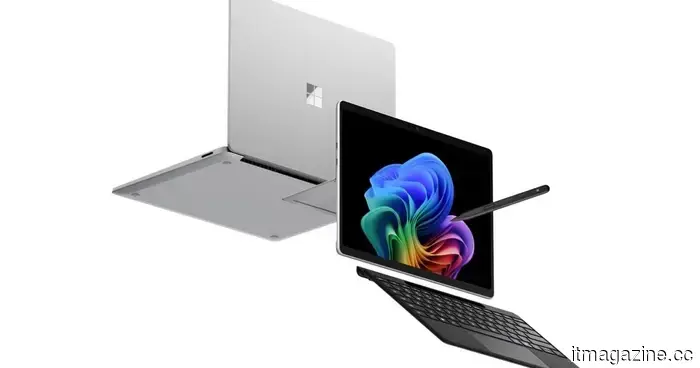
Microsoft has recently unveiled its newest generation of Surface series laptops designed specifically for businesses. The updated Surface Pro and Surface Laptop for Business models feature Intel’s latest Core Ultra Series 3 processors, on-device AI capabilities, enhanced security, and numerous other enhancements to cater to business needs. What features do they provide, and what is the price tag […]
Microsoft's latest Surface PCs are becoming more intelligent, more expensive, and surprisingly adept at maintaining confidentiality.
Microsoft has recently unveiled its newest generation of Surface series laptops designed specifically for businesses. The updated Surface Pro and Surface Laptop for Business models feature Intel’s latest Core Ultra Series 3 processors, on-device AI capabilities, enhanced security, and numerous other enhancements to cater to business needs. What features do they provide, and what is the price tag […]
 Fortnite has returned to the App Store globally as the conflict between Epic and Apple reaches its concluding stage.
Fortnite is making a comeback to Apple's App Store globally as Epic Games persists in its legal and regulatory battle against Apple's app store limitations.
Fortnite has returned to the App Store globally as the conflict between Epic and Apple reaches its concluding stage.
Fortnite is making a comeback to Apple's App Store globally as Epic Games persists in its legal and regulatory battle against Apple's app store limitations.
 X restricts the amount you can post and reply on the platform without charge. You need to pay Musk to continue using these features.
X, the platform previously known as Twitter, seems to have implemented stricter posting restrictions for users who are not subscribed to paid verification, providing yet another incentive for individuals to sign up for X Premium. Based on recent updates in X’s Help Center and various user reports, accounts without verification are now restricted to 50 original posts and 200 replies per […]
X restricts the amount you can post and reply on the platform without charge. You need to pay Musk to continue using these features.
X, the platform previously known as Twitter, seems to have implemented stricter posting restrictions for users who are not subscribed to paid verification, providing yet another incentive for individuals to sign up for X Premium. Based on recent updates in X’s Help Center and various user reports, accounts without verification are now restricted to 50 original posts and 200 replies per […]
 Startled by the MacBook Neo, Asus showcases budget-friendly Intel Wildcat Lake laptops.
Asus' latest Intel Wildcat Lake Vivobooks are exerting early competition on the MacBook Neo, thanks to competitive pricing in China, useful ports, and a quicker 16-inch display choice driving their strategy.
Startled by the MacBook Neo, Asus showcases budget-friendly Intel Wildcat Lake laptops.
Asus' latest Intel Wildcat Lake Vivobooks are exerting early competition on the MacBook Neo, thanks to competitive pricing in China, useful ports, and a quicker 16-inch display choice driving their strategy.
Intel unveils Project Firefly, aimed at producing affordable Wildcat Lake laptops that compete with the MacBook Neo.
Intel is aiming to enhance the appeal of budget Windows laptops, making them appear less like low-quality options. Project Firefly, introduced in China together with Intel's Wildcat Lake laptop processors, provides PC manufacturers with a unified hardware guideline to create thinner, sleeker, and more affordable devices that can more effectively compete with the MacBook Neo. The goal is straightforward: to reduce compromises in budget laptops…