
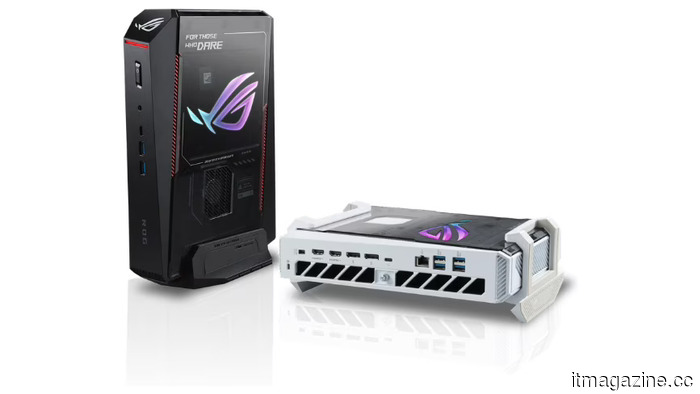
Asus packed an RTX 5080 into a 3-liter enclosure. It is priced at $4,400, and the performance increase is 2.3%.
Asus has introduced the ROG NUC 16 in China, priced at $4,400. This mini PC features an RTX 5080 and a Core Ultra 9 290HX, all housed in a 3-litre chassis.
The 2026 ROG NUC 16 combines Intel's Core Ultra 9 290HX Plus processor with an Nvidia GeForce RTX 5080 laptop GPU within a compact 3-litre chassis that weighs 3.12 kilograms. The black model is available for CNY 29,999 (around $4,400), while the Moonlight White variant costs CNY 31,999 (about $4,700). Although global pricing is not yet confirmed, a US launch around $4,000 is anticipated, likely following a broader announcement at Computex in June.
The specs for such a small form factor are impressive. The Core Ultra 9 290HX Plus features 24 cores (8 Performance, 16 Efficient) and 40MB of L2 cache. The RTX 5080 laptop GPU, which is based on Nvidia's Blackwell architecture, supports DLSS 4.5 with Multi Frame Generation and can achieve up to 1,334 AI TOPS across CPU, GPU, and NPU tasks. The system can accommodate up to 128GB of DDR5-6400 memory via two CSODIMM slots, and storage options include one M.2 PCIe 5.0 slot and two PCIe 4.0 slots, allowing for a total capacity of up to 9TB. More affordable configurations with RTX 5070 Ti, 5070, and 5060 GPUs are also offered, all utilizing the same processor.
Connectivity options are extensive: Thunderbolt 4, two HDMI 2.1 ports, two DisplayPort 2.1 ports, four USB 3.2 Gen2 Type-A ports, Wi-Fi 7 with Bluetooth 5.4, and 2.5GbE LAN. When paired with the recently announced ROG Xreal R1 AR gaming glasses, the NUC 16 can create a portable high-refresh-rate gaming setup that fits in a backpack, although the combined cost would exceed $5,200.
The cooling has seen improvements with a three-fan system and dual vapor chamber, offering 12% more thermal coverage compared to the previous generation. Asus claims that the system operates under 38 dBA at full load, which is quite quiet given its power consumption from a 380W external brick. The chassis dimensions are 282.4 x 189.5 x 56.5mm, making it smaller than a PlayStation 5, and it features a tool-less design for easy memory and storage upgrades, along with a new removable stand instead of the previous screw-on mount.
However, the price increase relative to performance gains is a concern. The 2025 ROG NUC 15, which used the Core Ultra 9 275HX with the same RTX 5080 GPU, launched in the US for $3,200. Asus's benchmarks indicate that the 2026 model provides about 2.3% better 3DMark performance than its predecessor, resulting in a $1,200 price hike for a generational improvement that likely falls within the margin of error for most real-world gaming scenarios.
Some of the price increase can be attributed to the ongoing RAM price crisis, as DDR5 memory costs have surged sharply across the consumer electronics sector in 2026, with gaming devices requiring high-capacity, high-speed memory being particularly affected. However, justifying the steep jump from $3,200 to an expected $4,000-plus in the US market based solely on component costs is challenging.
The competitive market landscape has also evolved. Minisforum’s G1 Pro features a desktop-class RTX 5060 in a console-style form factor at a significantly lower price. Thunderobot’s MIX Gaming 2, unveiled at CES 2026, fits an RTX 5090 laptop GPU into a similarly compact chassis. The broader consumer electronics market is experiencing pricing pressures from various sources, putting the ROG NUC 16 in a position where it competes not only with other mini PCs but also with full gaming desktops that provide greater power for less, as well as gaming laptops that offer portability the NUC cannot match without a separate display.
Asus has branded the ROG NUC as an AI-capable workstation in addition to being a gaming device, highlighting capabilities like local inference tasks, generative AI applications, and expedited content creation. This marketing approach reflects a broader industry trend of promoting gaming hardware as hybrid AI systems, yet the practical utility of carrying out local AI workloads on a $4,400 mini PC pales in comparison to cloud-based solutions or dedicated AI hardware.
China remains a key market for the launch of high-end consumer electronics, serving as a testing ground before global pricing commitments
Other articles
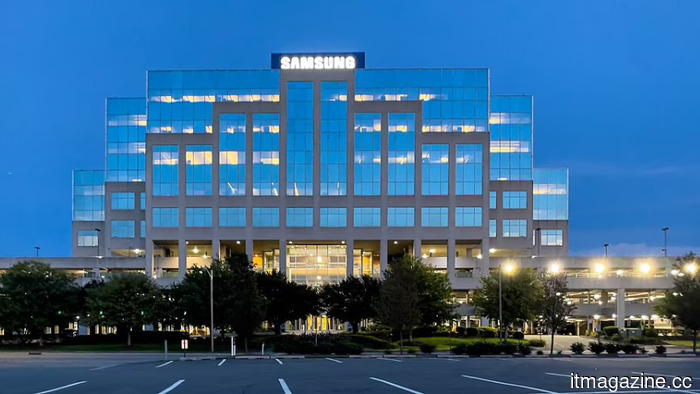 Samsung and its union are set to meet on Monday in a final effort to avert an 18-day strike at the chip factory.
South Korea's Prime Minister cautioned about "unimaginable" economic consequences. The union is demanding 15% of the operating profit, while Samsung has proposed 10%. The deadline is set for May 21.
Samsung and its union are set to meet on Monday in a final effort to avert an 18-day strike at the chip factory.
South Korea's Prime Minister cautioned about "unimaginable" economic consequences. The union is demanding 15% of the operating profit, while Samsung has proposed 10%. The deadline is set for May 21.
 Cerebras has just completed the largest tech IPO in the US since Snowflake. Next in line are SpaceX, OpenAI, and Anthropic.
Cerebras secured $5.55 billion and reached a valuation of $95 billion. However, the $3 trillion in total IPOs from SpaceX, OpenAI, and Anthropic makes everything else appear minor in comparison.
Cerebras has just completed the largest tech IPO in the US since Snowflake. Next in line are SpaceX, OpenAI, and Anthropic.
Cerebras secured $5.55 billion and reached a valuation of $95 billion. However, the $3 trillion in total IPOs from SpaceX, OpenAI, and Anthropic makes everything else appear minor in comparison.
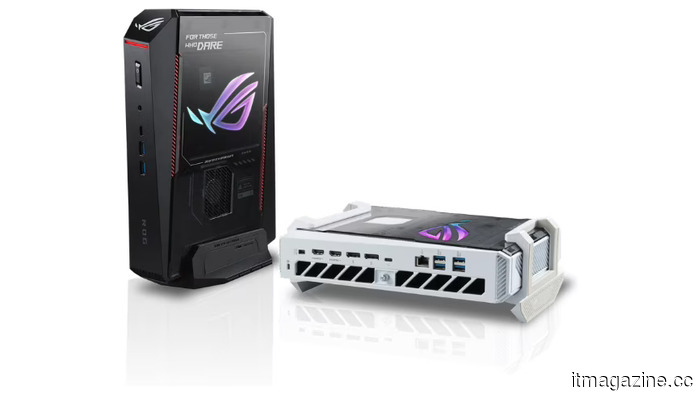 Asus packed an RTX 5080 into a 3-litre chassis. It is priced at $4,400, and the improvement in performance is 2.3%.
The ROG NUC 16 combines Intel's Core Ultra 9 290HX with an RTX 5080 laptop GPU in a case that is smaller than a PS5. The anticipated global price is around $4,000.
Asus packed an RTX 5080 into a 3-litre chassis. It is priced at $4,400, and the improvement in performance is 2.3%.
The ROG NUC 16 combines Intel's Core Ultra 9 290HX with an RTX 5080 laptop GPU in a case that is smaller than a PS5. The anticipated global price is around $4,000.
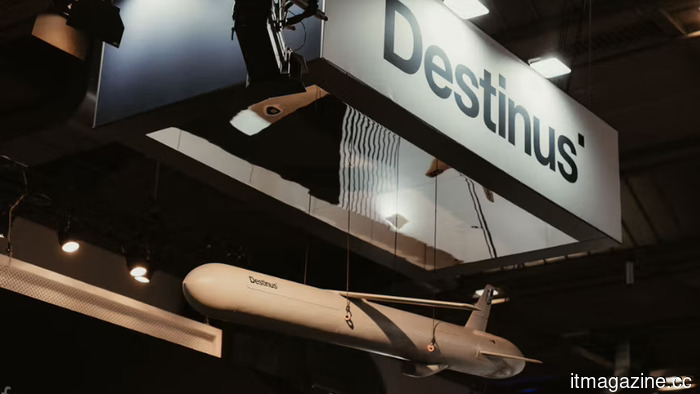 Destinus is seeking to raise €200 million in preparation for an IPO. The cruise missile manufacturer aims for a valuation of €5 billion.
The Dutch defense startup produces drones and cruise missiles for Ukraine and its European partners. It has already established a joint venture with Rheinmetall.
Destinus is seeking to raise €200 million in preparation for an IPO. The cruise missile manufacturer aims for a valuation of €5 billion.
The Dutch defense startup produces drones and cruise missiles for Ukraine and its European partners. It has already established a joint venture with Rheinmetall.
 Malta has just become the first nation to provide all its citizens with free access to ChatGPT Plus, but there is one stipulation.
OpenAI has reached an agreement with Malta to offer ChatGPT Plus for one year to all residents who successfully finish a complimentary AI literacy course created by a university.
Malta has just become the first nation to provide all its citizens with free access to ChatGPT Plus, but there is one stipulation.
OpenAI has reached an agreement with Malta to offer ChatGPT Plus for one year to all residents who successfully finish a complimentary AI literacy course created by a university.
 ArXiv implements a one-year prohibition for researchers who submit papers containing unverified AI-generated material.
The preprint platform will impose penalties on authors whose manuscripts include fictional references or remnants of LLM directives. A study published in The Lancet revealed that instances of fabricated citations in biomedical research increased twelve times since 2023.
ArXiv implements a one-year prohibition for researchers who submit papers containing unverified AI-generated material.
The preprint platform will impose penalties on authors whose manuscripts include fictional references or remnants of LLM directives. A study published in The Lancet revealed that instances of fabricated citations in biomedical research increased twelve times since 2023.
Asus packed an RTX 5080 into a 3-liter enclosure. It is priced at $4,400, and the performance increase is 2.3%.
The ROG NUC 16 combines Intel's Core Ultra 9 290HX with an RTX 5080 laptop GPU in a case that is smaller than a PS5. The estimated global price is around $4,000.