
Snap, YouTube, and TikTok have resolved the school addiction lawsuit, with Meta remaining as the sole company heading to trial.
TL;DRSnap, YouTube, and TikTok have reached settlements in the first addiction trial initiated by a school district, leaving only Meta to face court on June 12. Snap, Google's YouTube, and ByteDance's TikTok settled a lawsuit from Breathitt County School District in Kentucky, which claimed social media addiction disrupted learning and burdened schools financially in dealing with a youth mental health crisis. The settlements were filed in federal court in Oakland, California. Breathitt County's case is considered a bellwether for over 1,200 similar lawsuits nationwide, and its outcome could influence broader settlements.
Details of the settlements were not revealed. YouTube commented that the issue was “amicably resolved” and emphasized its commitment to developing age-appropriate products and parental controls. Snap expressed satisfaction with the amicable resolution as well, while TikTok has not yet provided comments. Attorneys for the school districts are committed to seeking justice for the remaining districts involved in lawsuits.
The settlements have left Meta isolated as the only company still going to trial. Earlier this year, a Los Angeles jury held Meta and Google liable for creating addictive platforms that harmed a 20-year-old, awarding $6 million in damages. Additionally, another jury in New Mexico mandated Meta to pay $375 million for misleading consumers about platform safety and enabling child exploitation, marking a significant legal precedent concerning child safety.
Although the school district lawsuits are based on a different legal theory than personal injury cases, they similarly argue that social media companies designed addictive products, were aware of the harm to young people, and failed to act responsibly. School districts contend that this mental health crisis has diverted essential resources from education to counseling and crisis management. Bloomberg Intelligence estimates these lawsuits could expose tech companies to nearly $400 billion in potential liability.
The pattern seen in 2026's social media litigation has been consistent; Snap and TikTok previously settled a personal injury addiction lawsuit in Los Angeles before it went to trial, while Meta and Google, who did not settle, faced losses. Now, all co-defendants in the school district cases have settled, while Meta has not.
Meta's choice to contest rather than settle poses significant risks, especially with a trial against multiple state attorneys general set for August, where an adverse outcome could lead to major operational changes. During its Q1 2026 earnings call, Meta focused exclusively on AI expenditures, with no inquiries about child safety litigation, which could be a larger financial threat than its AI initiatives.
For Snap, these settlements hold greater implications, as the company is much smaller than Meta, Google, or ByteDance and recently reported its first user decline in years partly due to regulatory reactions regarding child safety. Snap has been attempting to position Snapchat as a distinct alternative to social media. However, its legal outcomes may impact this perception. Settling the bellwether lawsuit eases one major risk but does not resolve the extensive litigation challenges.
Currently, over 3,300 lawsuits regarding addiction are pending in California state court against social media companies, alongside another 2,400 cases centralized in federal court. This litigation is often compared to the tobacco lawsuits of the 1990s, which led to significant industry-wide changes.
While the comparison may not be perfect, it offers insight; tobacco litigation resulted in a $206 billion master settlement agreement due to overwhelming liability, prompting a shift toward settlements rather than extended litigation. The social media sector appears to be nearing a similar turning point, where the $400 billion estimate from Bloomberg Intelligence remains theoretical, yet every verdict and settlement influences the negotiation dynamics.
Meta will stand trial against Breathitt County School District on June 12. This trial will determine whether a jury holds a social media company accountable for impacting an entire public education system rather than just individual users. A ruling in favor of the school district could serve as a precedent, increasing pressure for Meta to settle the remaining lawsuits.
The three companies that settled seem to have recognized that a framework for resolution already exists. The verdicts in Los Angeles and New Mexico have shown that juries are prepared to hold tech companies accountable for their design decisions. The remaining question lies in determining the financial outcome.
Other articles
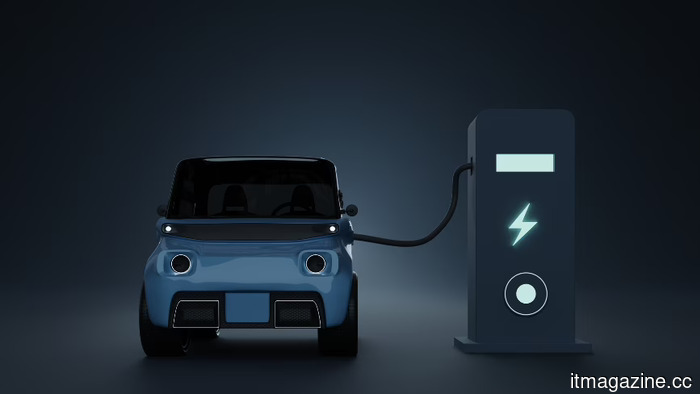 Chinese components are already powering American vehicles, and this is precisely why Congress is in a state of alarm.
Bipartisan legislators are advocating for a prohibition on Chinese vehicles in the United States; however, over 60 Chinese-owned suppliers are already part of the American auto supply chain.
Chinese components are already powering American vehicles, and this is precisely why Congress is in a state of alarm.
Bipartisan legislators are advocating for a prohibition on Chinese vehicles in the United States; however, over 60 Chinese-owned suppliers are already part of the American auto supply chain.
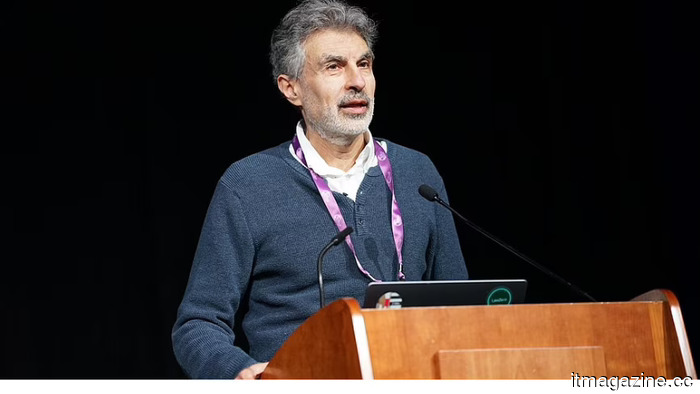 Yoshua Bengio cautions about hyperintelligent AI with
The Turing Award recipient established the nonprofit LawZero with $30 million to create AI that is safe by design. He points out that the industry's pursuit of agentic systems is transforming theoretical risks into real-world concerns.
Yoshua Bengio cautions about hyperintelligent AI with
The Turing Award recipient established the nonprofit LawZero with $30 million to create AI that is safe by design. He points out that the industry's pursuit of agentic systems is transforming theoretical risks into real-world concerns.
 Yoshua Bengio cautions about hyperintelligent AI with
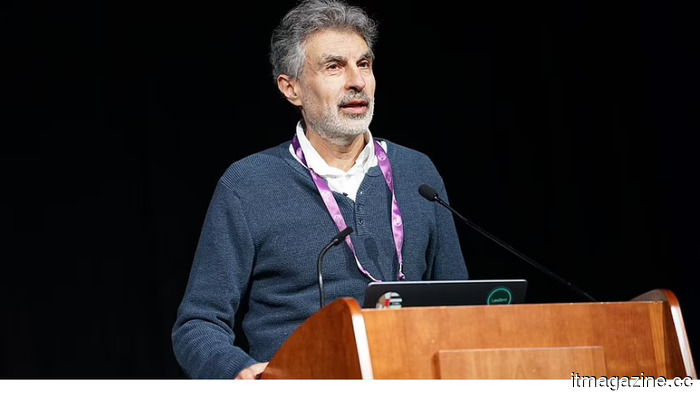
The Turing Award recipient established the nonprofit LawZero with $30 million to develop AI that is safe by design. He believes that the industry's pursuit of autonomous systems is transforming theoretical risks into real-world challenges.
Yoshua Bengio cautions about hyperintelligent AI with
The Turing Award recipient established the nonprofit LawZero with $30 million to develop AI that is safe by design. He believes that the industry's pursuit of autonomous systems is transforming theoretical risks into real-world challenges.
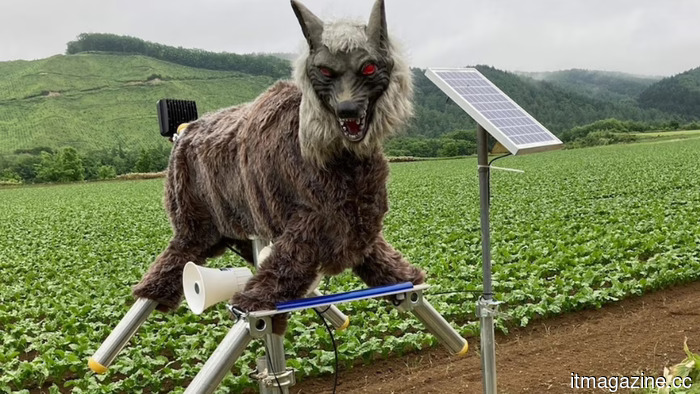 Japan's Monster Wolf robot is a $4,000 scarecrow featuring red LED eyes, and it proves to be effective.
A company in Hokkaido is struggling to produce its animatronic wolf quickly enough as Japan experiences unprecedented bear attacks and a declining rural population.
Japan's Monster Wolf robot is a $4,000 scarecrow featuring red LED eyes, and it proves to be effective.
A company in Hokkaido is struggling to produce its animatronic wolf quickly enough as Japan experiences unprecedented bear attacks and a declining rural population.
 The BMW Motorrad Vision K18 is a raw metal, six-cylinder machine that will invade your motorcycle fantasies.
The BMW Vision K18 is a unique concept featuring an 1,800cc inline-six engine, and it sounds just as loud and wild as its appearance suggests.
The BMW Motorrad Vision K18 is a raw metal, six-cylinder machine that will invade your motorcycle fantasies.
The BMW Vision K18 is a unique concept featuring an 1,800cc inline-six engine, and it sounds just as loud and wild as its appearance suggests.
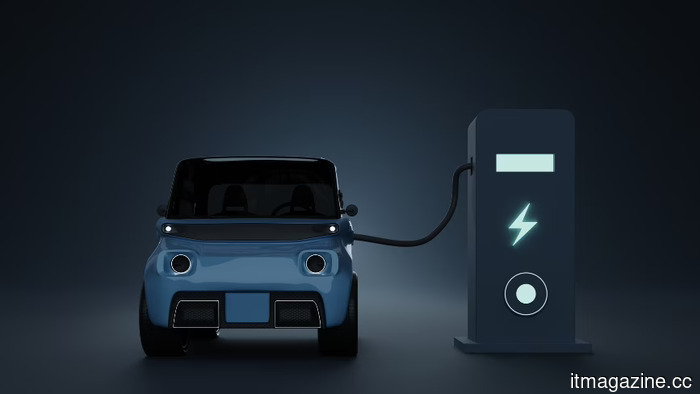 Chinese components are already used in American vehicles, which is precisely why Congress is in a state of alarm.
Bipartisan legislators are advocating for a ban on Chinese vehicles in the U.S., yet there are already over 60 Chinese-owned suppliers operating within America's automotive supply chain.
Chinese components are already used in American vehicles, which is precisely why Congress is in a state of alarm.
Bipartisan legislators are advocating for a ban on Chinese vehicles in the U.S., yet there are already over 60 Chinese-owned suppliers operating within America's automotive supply chain.
Snap, YouTube, and TikTok have resolved the school addiction lawsuit, with Meta remaining as the sole company heading to trial.
Three out of the four defendants reached a settlement with a Kentucky school district in advance of a bellwether trial. Meanwhile, Meta is now confronted with over 1,200 similar lawsuits on its own.