
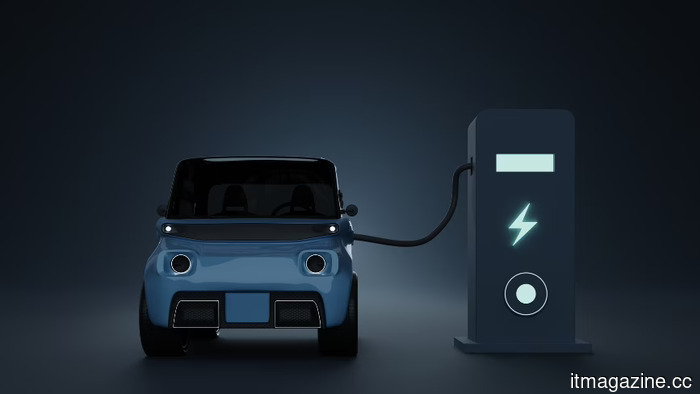
Chinese components are already used in American vehicles, which is precisely why Congress is in a state of alarm.
Bipartisan lawmakers in the US have introduced the Connected Vehicle Security Act aimed at prohibiting vehicles, software, and hardware associated with Chinese entities from entering the American market, coinciding with Trump’s meeting with Xi Jinping in Beijing. However, with over 60 Chinese-backed suppliers already integrated into the US auto supply chain and BYD emerging as the leading EV manufacturer worldwide, this initiative highlights a conflict between national security issues and economic realities.
It's almost certain there is a Chinese component in the car you drove this morning, such as an airbag inflator or a windshield. AlixPartners, a global consulting firm, reports that more than 60 US-based auto suppliers are owned by Chinese companies, producing parts ranging from axles to electronic control units for vehicles manufactured in Michigan, Ohio, and Tennessee.
Against this backdrop of Chinese technology already woven into American vehicles, lawmakers from both parties are advising President Donald Trump not to trade away the US auto market during his visit to Beijing. The message from Congress has been clear: do not use automobiles as a negotiation tool with President Xi Jinping.
The concerns raised are not unfounded. In January, Trump expressed to the Detroit Economic Club that he would welcome Chinese automakers establishing factories in the US as long as they hired American workers. This comment triggered anxiety in an industry that has lobbied for years to prevent Chinese vehicles from entering the market. Although his statement was later retracted, it had already unsettled many stakeholders and disrupted legislative agendas.
On May 12, Representative John Moolenaar, the Republican chairman of the House Select Committee on China, alongside Democratic Representative Debbie Dingell, introduced the Connected Vehicle Security Act of 2026. This legislation would prohibit the importation, production, and sale of connected vehicles, software, and hardware associated with China, Russia, North Korea, and Iran. The software restrictions would commence on January 1, 2027, with hardware limitations to follow by January 1, 2030. Penalties for violations would be substantial, with civil fines starting at $1.5 million or five times the transaction value, whichever is greater.
A similar proposal has been filed in the Senate by Michigan Democrat Elissa Slotkin and Ohio Republican Bernie Moreno. Senator Slotkin described connected vehicles from China as “TikTok on wheels,” referencing data privacy concerns similar to those driving the push for divestiture of TikTok from its Chinese parent company. This comparison has merit, as Chinese electric vehicle content is already prevalent on American social media via platforms owned by the same conglomerate, influencing consumer preferences for vehicles that are legally barred from being sold in the US.
This legislation further codifies and expands upon restrictions that were initially implemented under President Biden, following his Commerce Department's finalization of rules in January 2025 that forbade connected vehicle technologies associated with China and Russia. The legal basis for these measures dates back to a 2019 executive order by Trump, which declared a national emergency regarding foreign threats to America’s information and communications technology supply chain.
The political rationale is straightforward. Michigan and Ohio are crucial battleground states in the lead-up to the 2026 midterms and the next presidential election. Approximately half a million people are employed in the auto industry in Michigan alone, highlighted in a statement from Governor Gretchen Whitmer, who commended the bill. For legislators in these regions, even a perceived openness to Chinese automakers poses a significant political risk.
However, the economic implications are more complicated. The average price of a new car in the US now exceeds $49,000, a situation that has become a growing concern for American consumers. In contrast, Chinese consumers have access to over 200 battery-powered models priced under $25,000. For instance, BYD’s most popular model, the Seagull, is priced around $10,300, whereas the cheapest new electric vehicle in the US, the Chevrolet Bolt, is expected to retail at $28,995.
BYD surpassed Tesla in 2025 to become the top seller of battery electric vehicles, selling 2.26 million units compared to Tesla's 1.64 million, marking a 28% year-over-year increase against Tesla’s approximate 9% decline. The company that Elon Musk once dismissed has emerged as a formidable competitor. While Tesla briefly regained the leading position in Q1 2026, it still faced a gap of over 600,000 units by the end of the year, indicating a broader trend.
Internationally, the narrative is already unfolding. Chinese-made vehicles accounted for roughly 19% of sales in Mexico in 2025, a notable rise from less than 1% five years prior. In response, Mexico increased tariffs on Chinese vehicles to 50%. In Europe, Chinese brands are gaining notable market share, with BYD reportedly negotiating to acquire certain Stellantis plants to enhance production capabilities on the continent. European investments in EVs have surpassed €200 billion, yet much of that
Other articles
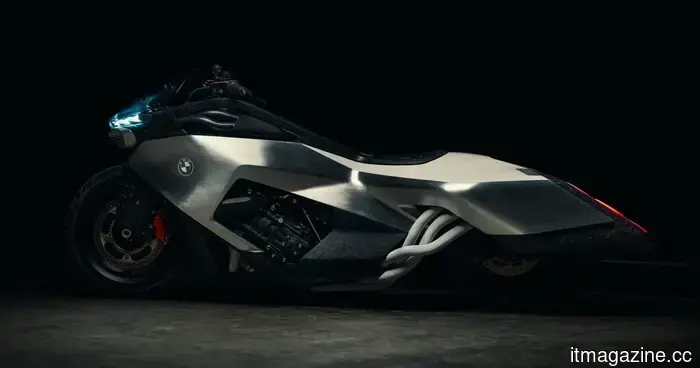 The BMW Motorrad Vision K18 is a raw metal, six-cylinder machine that will invade your motorcycle fantasies.
The BMW Vision K18 is a unique concept featuring an 1,800cc inline-six engine, and it sounds just as loud and wild as its appearance suggests.
The BMW Motorrad Vision K18 is a raw metal, six-cylinder machine that will invade your motorcycle fantasies.
The BMW Vision K18 is a unique concept featuring an 1,800cc inline-six engine, and it sounds just as loud and wild as its appearance suggests.
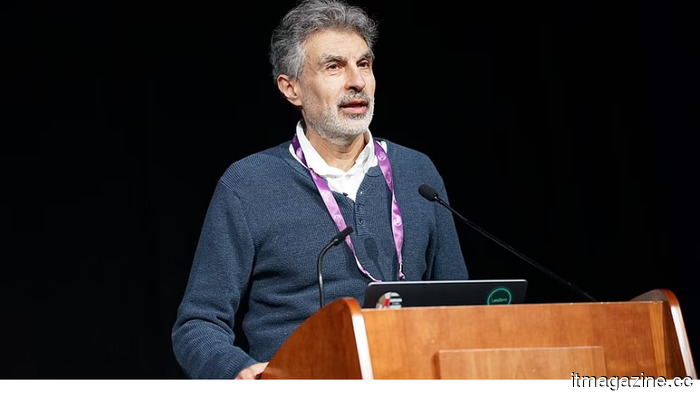 Yoshua Bengio cautions about hyperintelligent AI with
The recipient of the Turing Award has established a nonprofit called LawZero with an investment of $30 million to create AI that is safe by design. He argues that the industry's pursuit of agentic systems is transforming theoretical risks into practical realities.
Yoshua Bengio cautions about hyperintelligent AI with
The recipient of the Turing Award has established a nonprofit called LawZero with an investment of $30 million to create AI that is safe by design. He argues that the industry's pursuit of agentic systems is transforming theoretical risks into practical realities.
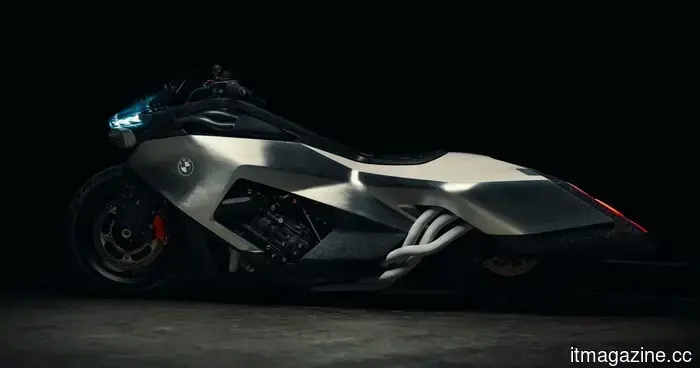 The BMW Motorrad Vision K18 is a raw metal, six-cylinder machine that will linger in your motorcycle fantasies.
The Vision K18 by BMW is a unique concept featuring an 1,800cc inline-six engine, and it sounds just as powerful and wild as its appearance suggests.
The BMW Motorrad Vision K18 is a raw metal, six-cylinder machine that will linger in your motorcycle fantasies.
The Vision K18 by BMW is a unique concept featuring an 1,800cc inline-six engine, and it sounds just as powerful and wild as its appearance suggests.
 Snap, YouTube, and TikTok have resolved the school addiction lawsuit, leaving Meta to go to trial by itself.
Three out of four defendants reached a settlement with a Kentucky school district prior to a bellwether trial. Meta is now dealing with over 1,200 similar lawsuits individually.
Snap, YouTube, and TikTok have resolved the school addiction lawsuit, leaving Meta to go to trial by itself.
Three out of four defendants reached a settlement with a Kentucky school district prior to a bellwether trial. Meta is now dealing with over 1,200 similar lawsuits individually.
 Noticed an error in your Instagram Story? You can now edit it after it’s been posted.
Instagram is officially introducing the Edit Story feature, which users have been asking for, allowing them to modify a Story even after it has been published.
Noticed an error in your Instagram Story? You can now edit it after it’s been posted.
Instagram is officially introducing the Edit Story feature, which users have been asking for, allowing them to modify a Story even after it has been published.
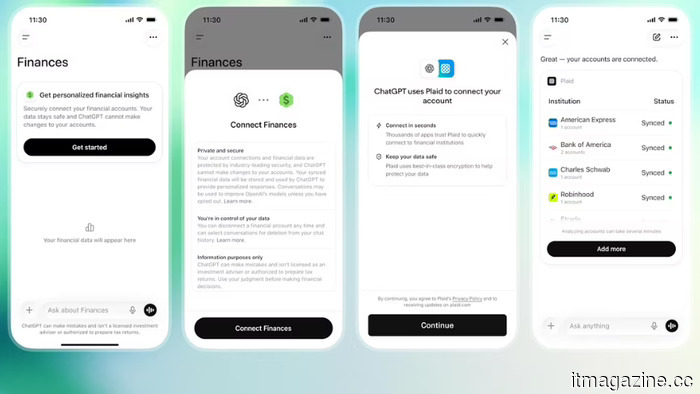 OpenAI aims for ChatGPT to access your bank account, promoting convenience as the benefit. However, the potential dangers outweigh this advantage.
ChatGPT Pro users can now link their bank accounts through Plaid to receive tailored financial advice, just one month following OpenAI's acquisition of the fintech company Hiro.
OpenAI aims for ChatGPT to access your bank account, promoting convenience as the benefit. However, the potential dangers outweigh this advantage.
ChatGPT Pro users can now link their bank accounts through Plaid to receive tailored financial advice, just one month following OpenAI's acquisition of the fintech company Hiro.
Chinese components are already used in American vehicles, which is precisely why Congress is in a state of alarm.
Bipartisan legislators are advocating for a ban on Chinese vehicles in the U.S., yet there are already over 60 Chinese-owned suppliers operating within America's automotive supply chain.