
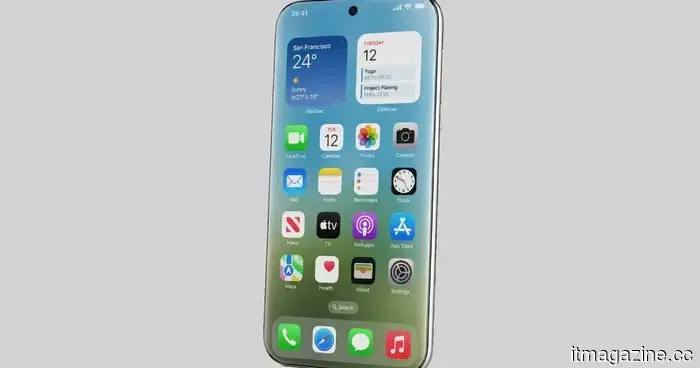
The 2028 iPhone display from Apple may seem unfeasible, yet Samsung and LG are in a rush to develop it.
Android smartphones have featured curved displays for many years, accepting some level of distortion as a compromise for aesthetics. In contrast, Apple is dedicating two years and significant financial resources to avoid doing the same.
Apple does not simply request its suppliers to create products; it assigns them tasks, sets deadlines, and oversees the movement of billions of dollars in product lines and supply chains.
The company is reportedly urging Samsung and LG to develop an innovative OLED cathode material known as IZO (Indium Zinc Oxide) for a four-sided bending display intended for the 2028 iPhones, according to ETnews.
LG Display has reportedly reacted by investing around $770 million to enhance its infrastructure. Meanwhile, Samsung is still deliberating whether to commit to new factory lines specifically for this purpose.
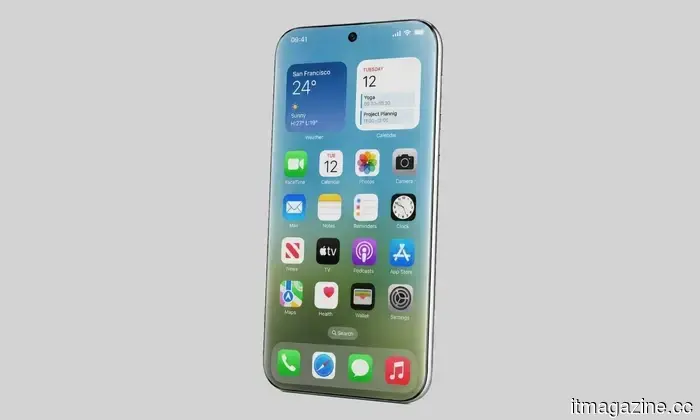
However, Apple is not waiting for their decisions; it urgently requires the display. Unlike the flat OLED screens utilized in iPhones since 2020, Apple is aiming for a four-sided bending display that curves at all four corners simultaneously.
This display is meant for the “all-screen” iPhone that Apple has reportedly been developing for several years. However, the challenge lies in the optical distortion that occurs at the curved edges, which is exacerbated when all four sides are bent.
To address the main issue related to the curved display, Apple proposes using IZO cathodes, which are more transparent than the cathodes found in conventional OLED panels. This transparency allows more light to pass through, resulting in reduced distortion at the curved edges, improved image quality, and a display that appears less warped at the edges.
The drawback, however, is that producing IZO cathodes requires specialized low-damage TCO sputtering equipment, which existing OLED production lines are not designed to accommodate, particularly not at scale. You might recall Samsung's previous curved displays on the Galaxy S series, and several Android manufacturers also offer slightly curved screens, even on midrange devices.
Yet, Apple is not simply duplicating that approach. The push for IZO cathodes indicates that the company won’t release a curved display until it has perfected the technology, a well-documented shortcoming in midrange Android smartphones.
What puzzles me is that Apple is reportedly developing a four-sided bending display for the 2027 anniversary iPhone, while the IZO cathode technology is not expected to be ready until the 2028 model.
Does this imply that the 20th anniversary iPhone will launch without the enhanced curved display? That certainly seems the case, but it’s important to remember that Apple typically releases products only when it believes they are perfected.
For over five years, Shikhar has consistently distilled complex developments in consumer technology and presented them clearly.
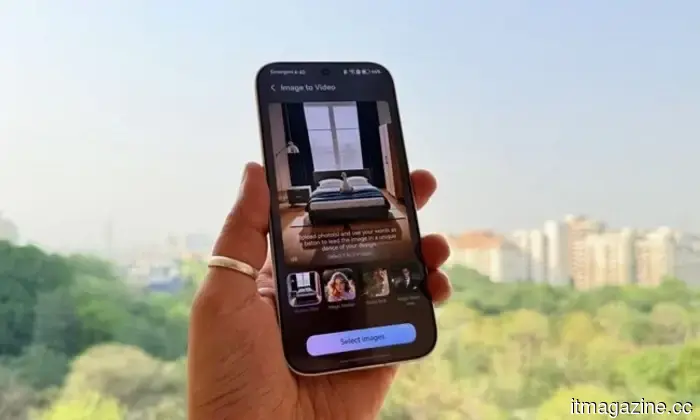
I examined the AI Image to Video 2.0 feature on the Honor 600 Pro, and it exceeded my expectations.
I initially approached it with skepticism but ended up impressed. While AI has permeated various aspects of modern life, often unnoticed by the average user, there are some delightful integrations among the overwhelming AI advancements. Effortlessly transforming still images into short videos is one such feature that I wish could be used without cumbersome permissions or token requirements.
I discovered this feature on my daily device, the Honor 600 Pro, and was pleased with the outcomes. While it's not entirely new, what caught my attention was Honor’s polished presentation of it. There are no sign-up requirements, it integrates smoothly into the system gallery, and the conversion process is straightforward. There's even a dedicated button on the phone that instantly activates this AI image transformation.
A recent Qualcomm leak suggests we have entered an era of exorbitantly priced phones.
Your next Android flagship might see a price increase due to one tiny chip.
We have reached a point where the processor in a flagship phone may cost as much as an entire budget Android device. This may sound unbelievable, but it aligns with the trajectory of premium phones. Samsung has already increased the starting price of the Galaxy S26 by $100 compared to the Galaxy S25, and the next wave of Android flagships could rise even further.
According to a leak from tipster Abhishek Yadav, Qualcomm's upcoming Snapdragon 8 Elite Gen 6 Pro could exceed $300, significantly raising the material costs for next-generation Android flagships.
Samsung is set to block intrusive push notifications filled with adware.
Galaxy users might experience a cleaner notification panel.
Push notifications can be beneficial until apps exploit them as free advertising space. On Android, this can be particularly burdensome, as promotional messages are not always distinctly separated from essential alerts. Users frequently find it challenging to identify which settings control advertisements, leading many to disable notifications entirely to eliminate the junk.
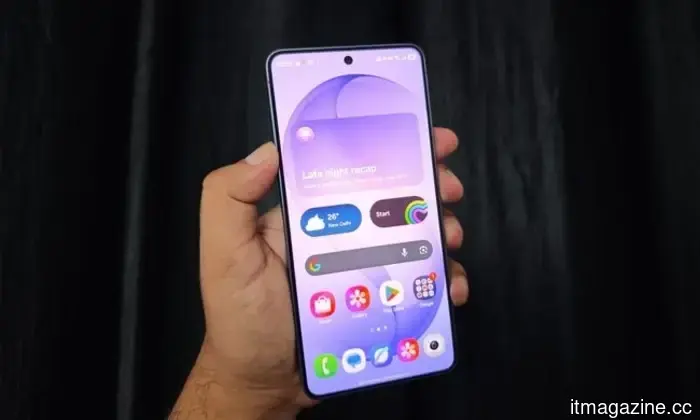
Samsung now seems to be tackling this problem with a new Device Care update that can identify and block apps that send excessive promotional notifications.

Other articles
 A leak from Qualcomm indicates that we have entered an era of extremely expensive smartphones.
The Snapdragon 8 Elite Gen 6 Pro could usher Android flagship devices into a new pricing landscape, where top-tier performance comes at an Ultra-sized cost.
A leak from Qualcomm indicates that we have entered an era of extremely expensive smartphones.
The Snapdragon 8 Elite Gen 6 Pro could usher Android flagship devices into a new pricing landscape, where top-tier performance comes at an Ultra-sized cost.
 A leak from Qualcomm indicates that we have now entered an era of excessively expensive phones.
The Snapdragon 8 Elite Gen 6 Pro could lead Android flagship devices into a new pricing era, where top performance is accompanied by a significantly higher cost.
A leak from Qualcomm indicates that we have now entered an era of excessively expensive phones.
The Snapdragon 8 Elite Gen 6 Pro could lead Android flagship devices into a new pricing era, where top performance is accompanied by a significantly higher cost.
 A Qualcomm leak indicates that we've entered a new era of excessively expensive smartphones.
The Snapdragon 8 Elite Gen 6 Pro could usher in a new pricing phase for Android flagships, where top-tier performance comes with a significantly higher price tag.
A Qualcomm leak indicates that we've entered a new era of excessively expensive smartphones.
The Snapdragon 8 Elite Gen 6 Pro could usher in a new pricing phase for Android flagships, where top-tier performance comes with a significantly higher price tag.
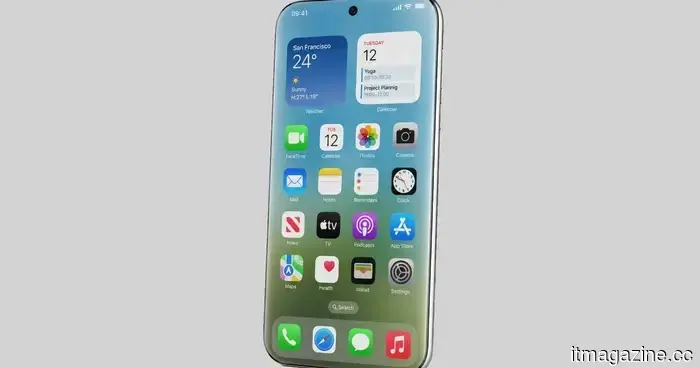 The 2028 iPhone display from Apple may seem implausible, yet Samsung and LG are racing to develop it.
According to reports, Apple's 2028 iPhone will feature a bendable design on all four display edges, utilizing new IZO cathode technology. This advancement aims to minimize optical distortion at the curves that current cathode materials struggle to handle effectively.
The 2028 iPhone display from Apple may seem implausible, yet Samsung and LG are racing to develop it.
According to reports, Apple's 2028 iPhone will feature a bendable design on all four display edges, utilizing new IZO cathode technology. This advancement aims to minimize optical distortion at the curves that current cathode materials struggle to handle effectively.
 The new Backrooms trailer suggests it could finally be the horror film that accurately captures the essence of creepypasta.
The final trailer for Backrooms has been released as A24 gears up to bring the internet's most unsettling urban legend to cinemas on May 29.
The new Backrooms trailer suggests it could finally be the horror film that accurately captures the essence of creepypasta.
The final trailer for Backrooms has been released as A24 gears up to bring the internet's most unsettling urban legend to cinemas on May 29.
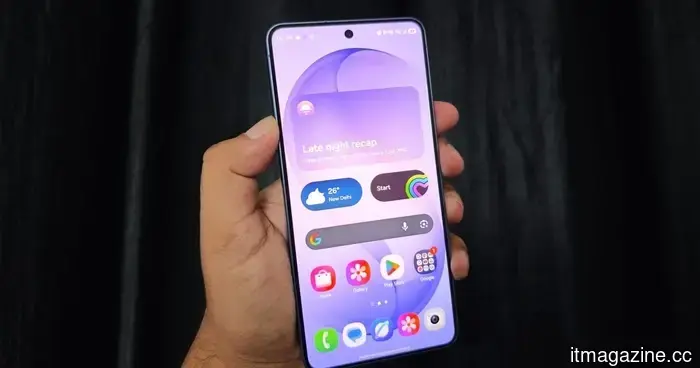 Samsung phones will prevent those annoying push notifications filled with adware.
The latest Device Care update from Samsung can restrict apps that generate excessive ad notifications, resulting in a tidier notification bar for Galaxy users.
Samsung phones will prevent those annoying push notifications filled with adware.
The latest Device Care update from Samsung can restrict apps that generate excessive ad notifications, resulting in a tidier notification bar for Galaxy users.
The 2028 iPhone display from Apple may seem unfeasible, yet Samsung and LG are in a rush to develop it.
According to reports, Apple's iPhone set to be released in 2028 will feature a design that bends at all four edges of the display, utilizing new IZO cathode technology. This advancement aims to minimize optical distortion at the curves that current cathode materials struggle to manage effectively.