

A Qualcomm leak indicates that we've entered a new era of excessively expensive smartphones.
Your next Android flagship might have a higher price tag due to a small chip.
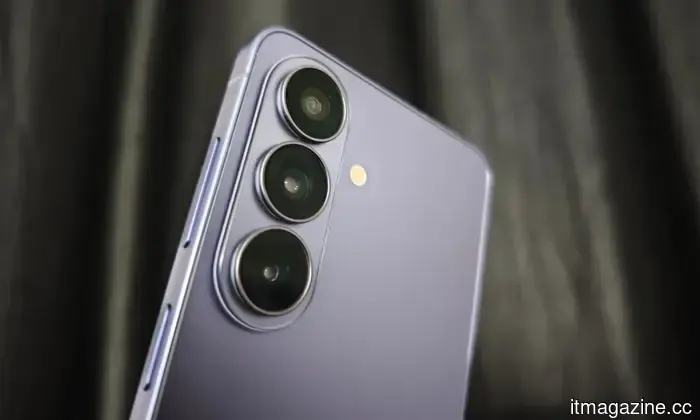
We’ve now reached a stage where the processor in a flagship smartphone could exceed the cost of an entire budget Android device. While it seems ridiculous, it reflects the trajectory of premium phones. Samsung has already increased the starting price of the Galaxy S26 by $100 compared to the Galaxy S25, and future Android flagships might see even steeper price hikes.
According to a recent leak from tipster Abhishek Yadav, Qualcomm’s upcoming Snapdragon 8 Elite Gen 6 Pro could come in at over $300, which would significantly increase the production costs for the next generation of Android flagships.
Reportedly, the Qualcomm Snapdragon 8 Elite Gen 6 Pro is expected to exceed $300. For context, here are the estimated prices of previous Snapdragon flagship system-on-chips (SoCs):
- 8 Gen 1: $120–130
- 8+ Gen 1: $120–130
- 8 Gen 2: $160
- 8 Gen 3: $170–200
- 8 Elite: $220+
- 8 Elite Gen 5: $240 to $280
Is the premiere Android chipset becoming a luxury exclusive to Ultra models?
Though the leaked pricing appears staggering, Qualcomm's flagship chips have been rising in cost for several years. Yadav estimates that in 2022, the Snapdragon 8 Gen 1 and 8+ Gen 1 cost manufacturers approximately $120 to $130. The Snapdragon 8 Gen 2 increased that figure to about $160, while the Snapdragon 8 Gen 3 ranged from $170 to $200. The Snapdragon 8 Elite surpassed $220, and the Snapdragon 8 Elite Gen 5 fell between $240 and $280. Now, the Snapdragon 8 Elite Gen 6 Pro is predicted to exceed $300.
This leaked pricing provides further insight into why Qualcomm may consider dividing its flagship chip into two categories. Earlier speculation indicated that the company might introduce a standard version of the Snapdragon 8 Elite Gen 6 alongside a more advanced Pro variant. The higher-end Pro model is anticipated to offer a more significant performance boost, enhanced graphics, and LPDDR6 memory support, making it a better fit for Ultra-tier devices rather than all premium Android flagships. This means that chips like the Snapdragon 8 Elite Gen 6 Pro may be reserved for the priciest Android models, such as the Galaxy S27 Ultra, Xiaomi 18 Ultra, and Ultra models from brands like Oppo, Vivo, and Motorola.
What implications does this have for consumers?
Samsung has already illustrated where this path leads. It increased the prices of the Galaxy S26 in key markets amid rising memory costs, and the situation has only deteriorated since. Prices for RAM and NAND continue to be under pressure as the AI boom diverts more resources toward data centers. If Qualcomm's flagship chip indeed surpasses $300, Android manufacturers will face another expensive dilemma at the core of the phones.
This additional expense will likely manifest in one of two ways. Brands may choose to raise prices directly, or they might make “standard” flagship devices feel less premium while reserving the best chips, cameras, memory, and storage for Ultra versions. Neither scenario is appealing. The next generation of Android flagships may require consumers to either pay more, settle for less, or possibly both.




Other articles
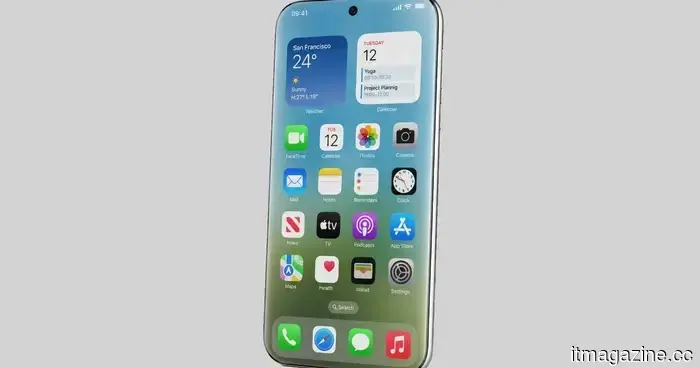 The 2028 iPhone display from Apple may seem implausible, yet Samsung and LG are racing to develop it.
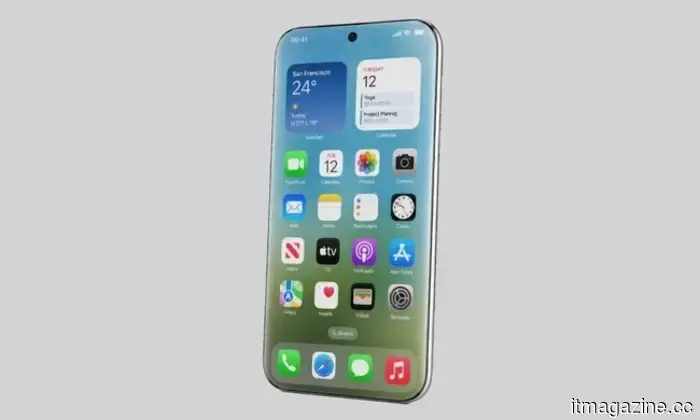
According to reports, Apple's 2028 iPhone will feature a bendable design on all four display edges, utilizing new IZO cathode technology. This advancement aims to minimize optical distortion at the curves that current cathode materials struggle to handle effectively.
The 2028 iPhone display from Apple may seem implausible, yet Samsung and LG are racing to develop it.
According to reports, Apple's 2028 iPhone will feature a bendable design on all four display edges, utilizing new IZO cathode technology. This advancement aims to minimize optical distortion at the curves that current cathode materials struggle to handle effectively.
 A leak from Qualcomm indicates that we have now entered an era of excessively expensive phones.
The Snapdragon 8 Elite Gen 6 Pro could lead Android flagship devices into a new pricing era, where top performance is accompanied by a significantly higher cost.
A leak from Qualcomm indicates that we have now entered an era of excessively expensive phones.
The Snapdragon 8 Elite Gen 6 Pro could lead Android flagship devices into a new pricing era, where top performance is accompanied by a significantly higher cost.
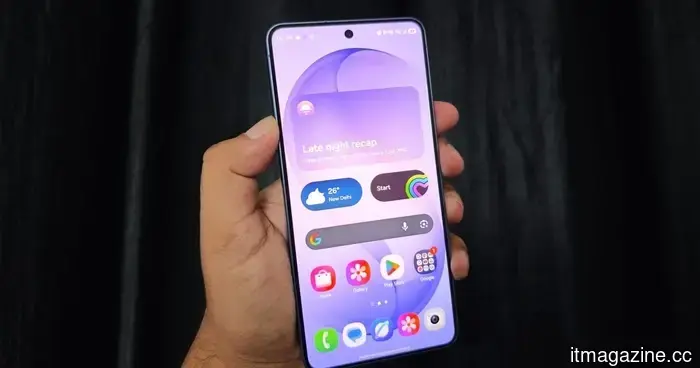 Samsung phones will prevent those annoying push notifications filled with adware.
The latest Device Care update from Samsung can restrict apps that generate excessive ad notifications, resulting in a tidier notification bar for Galaxy users.
Samsung phones will prevent those annoying push notifications filled with adware.
The latest Device Care update from Samsung can restrict apps that generate excessive ad notifications, resulting in a tidier notification bar for Galaxy users.
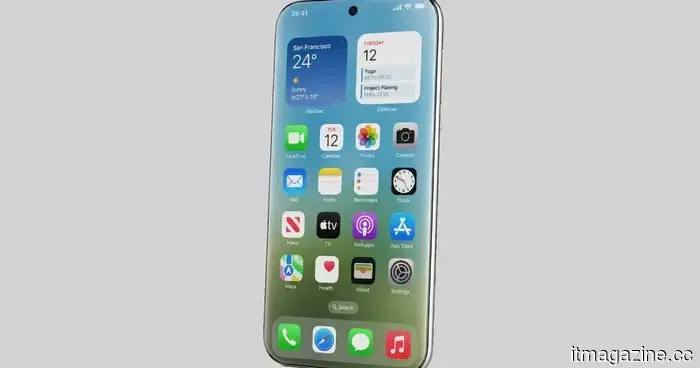 The 2028 iPhone display from Apple may seem unfeasible, yet Samsung and LG are in a rush to develop it.
According to reports, Apple's iPhone set to be released in 2028 will feature a design that bends at all four edges of the display, utilizing new IZO cathode technology. This advancement aims to minimize optical distortion at the curves that current cathode materials struggle to manage effectively.
The 2028 iPhone display from Apple may seem unfeasible, yet Samsung and LG are in a rush to develop it.
According to reports, Apple's iPhone set to be released in 2028 will feature a design that bends at all four edges of the display, utilizing new IZO cathode technology. This advancement aims to minimize optical distortion at the curves that current cathode materials struggle to manage effectively.
 The new trailer for Backrooms suggests it may finally be the horror film that truly captures the essence of creepypasta.
The ultimate Backrooms trailer has been released as A24 gears up to introduce the internet's most unsettling urban legend to cinemas on May 29.
The new trailer for Backrooms suggests it may finally be the horror film that truly captures the essence of creepypasta.
The ultimate Backrooms trailer has been released as A24 gears up to introduce the internet's most unsettling urban legend to cinemas on May 29.
 The new Backrooms trailer suggests it could finally be the horror film that accurately captures the essence of creepypasta.
The final trailer for Backrooms has been released as A24 gears up to bring the internet's most unsettling urban legend to cinemas on May 29.
The new Backrooms trailer suggests it could finally be the horror film that accurately captures the essence of creepypasta.
The final trailer for Backrooms has been released as A24 gears up to bring the internet's most unsettling urban legend to cinemas on May 29.
A Qualcomm leak indicates that we've entered a new era of excessively expensive smartphones.
The Snapdragon 8 Elite Gen 6 Pro could usher in a new pricing phase for Android flagships, where top-tier performance comes with a significantly higher price tag.