

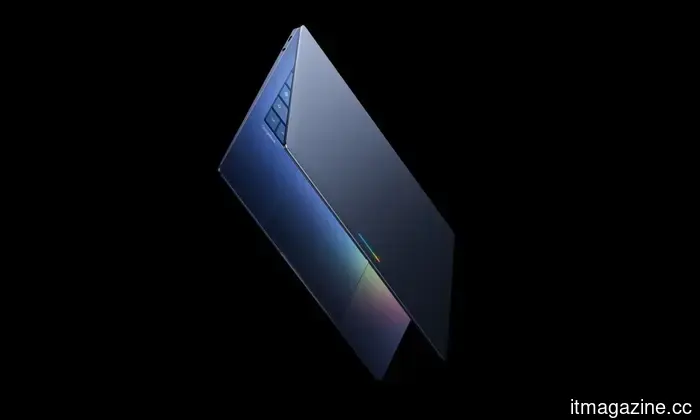
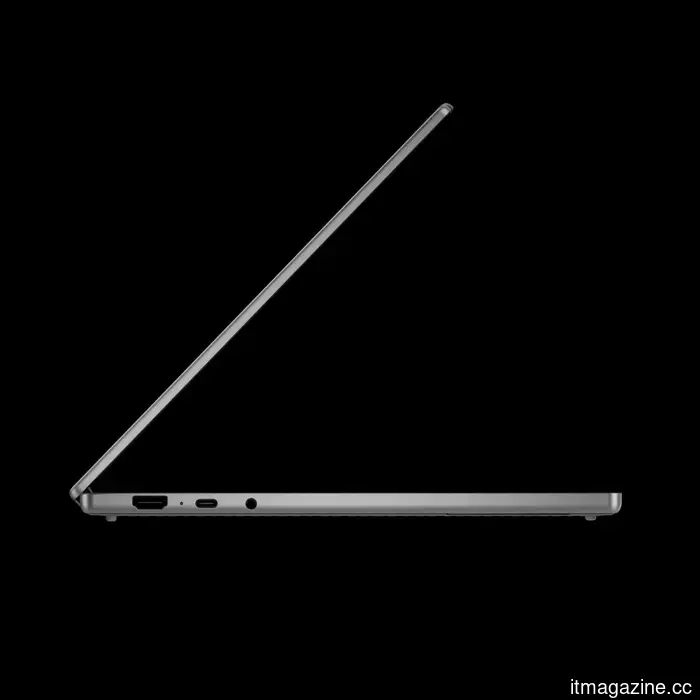
Googlebook laptops will offer various chip options aside from just Intel, which is a reassuring development.
More hardware options, more selections. Google is providing Googlebook purchasers with genuine hardware flexibility from the outset.
After Google's elaborate Android Show, where numerous new features were announced, Google VP John Maletis sat down with Chrome Unboxed to discuss Googlebook. The interview revealed several insightful details, one of the most comforting confirmations was about the chips that will power these new laptops.
Maletis mentioned that Google is collaborating with Intel, Qualcomm, and MediaTek, ensuring that the platform won't be reliant on a single chip supplier. For followers of the Chromebook sector, this is undeniably positive news.
Why is chip variety significant?
A platform reliant on a sole chip supplier is likely to face failure. Take, for example, Apple's transition to its own Apple Silicon chipsets when Intel could not match its ambitions.
It's not merely about survival. Different processors cater to various requirements, whether it’s performance, battery longevity, or cost. The inclusion of Intel, Qualcomm, and MediaTek allows OEM partners like Lenovo, Acer, Asus, HP, and Dell to create devices that fulfill diverse user needs instead of confining everyone to a single option.
Maletis also emphasized that Google is imposing stringent hardware standards across the board, which will encompass not only processors but also memory, storage, and keyboard layouts. Consequently, the overall Googlebook experience should remain consistent and high-quality, no matter which device you select.
What additional details do we have about the components of these laptops?
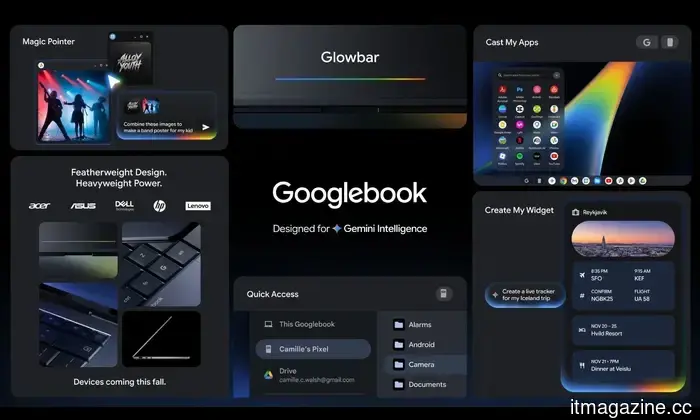
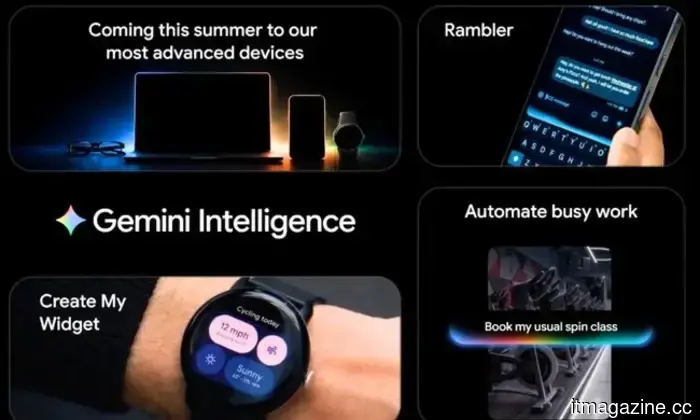
While Google has not unveiled any hardware specifics, it has confirmed some software features that paint a clearer picture of these devices. Magic Pointer, developed with Google DeepMind, integrates Gemini directly with your cursor for contextual suggestions. Additionally, the laptop will likely operate on Aluminium OS, based on the Android tech stack, enabling Android apps to function natively.
There’s also "Create your Widget," which allows users to gather information from Gmail, Google Calendar, and the web to create a customized dashboard by simply describing their needs.
While pricing and specific specifications remain undisclosed, with hardware partners confirmed and a launch window set for fall 2026, the overall picture is gradually becoming clearer.
Google will allow certain Chromebooks to evolve into a Googlebook experience shortly. Google announced that several existing models will transition to the Googlebook software through a firmware update, while ChromeOS support will still be available for devices that are not upgraded.
Googlebook is set to launch this year, but the company is not abandoning all Chromebooks. In an interview with Chrome Unboxed, Google VP John Maletis indicated that some Chromebooks will be updated with Googlebook-style software via a firmware upgrade. This shift steers Google’s laptop strategy toward an Android foundation, with a deeper integration of Gemini into the laptop experience and Android apps no longer relegated to an emulation layer.
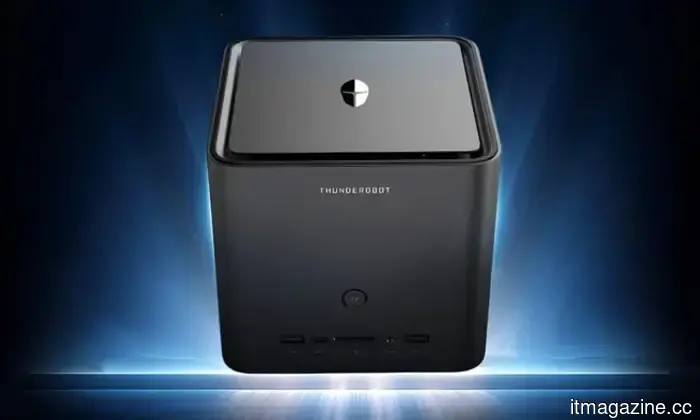
Valve's eagerly awaited Steam Machine is still some time away from its official launch. However, a new AMD-powered cube from Thunderobot is already making a strong push for the same living-room PC market. Although the price is far from affordable, Thunderobot recently introduced its AI Mini Workstation in China, first showcased at CES 2026. This compact cube-shaped PC features one of the most powerful AMD mobile processors, provided you have a few thousand dollars to spend.
Every year, Google previews its Android announcements in a separate event leading up to its annual I/O conference. This year was no exception, and The Android Show: I/O Edition was anything but a mere prelude. Google came well-prepared with a wealth of software updates and a major hardware announcement that took everyone by surprise. Let's discuss all the highlights, including a comprehensive AI integration, a long-overdue security enhancement, a revamped Android Auto tailored for 2026, and an entirely new laptop category.


Other articles
 Anduril secures $5 billion at a valuation of $61 billion, doubling its worth in just eleven months.
Anduril has secured $5 billion at a valuation of $61 billion in a round led by Thrive Capital and Andreessen Horowitz, effectively doubling its value in less than a year.
Anduril secures $5 billion at a valuation of $61 billion, doubling its worth in just eleven months.
Anduril has secured $5 billion at a valuation of $61 billion in a round led by Thrive Capital and Andreessen Horowitz, effectively doubling its value in less than a year.
 LinkedIn joins the list of tech companies that have laid off 100,000 workers.
LinkedIn is laying off approximately 5% of its workforce, marking the latest event in a series of tech layoffs in 2026 that has affected over 100,000 employees.
LinkedIn joins the list of tech companies that have laid off 100,000 workers.
LinkedIn is laying off approximately 5% of its workforce, marking the latest event in a series of tech layoffs in 2026 that has affected over 100,000 employees.
 iOS 27 will integrate Siri into the Dynamic Island, but it's the enhancements to features that really excite me.
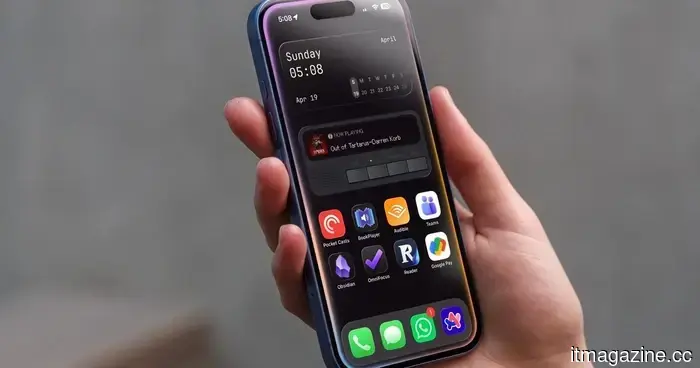
Apple intends to revamp Siri in iOS 27, with the most discussed alteration being its new location within the Dynamic Island. While the visual update is significant, it is the enhancements to the features that will truly make a difference.
iOS 27 will integrate Siri into the Dynamic Island, but it's the enhancements to features that really excite me.
Apple intends to revamp Siri in iOS 27, with the most discussed alteration being its new location within the Dynamic Island. While the visual update is significant, it is the enhancements to the features that will truly make a difference.
 Anduril secures $5 billion at a valuation of $61 billion, achieving a twofold increase in just eleven months.
Anduril has secured $5 billion at a valuation of $61 billion in a round led by Thrive Capital and Andreessen Horowitz, effectively doubling its valuation in less than a year.
Anduril secures $5 billion at a valuation of $61 billion, achieving a twofold increase in just eleven months.
Anduril has secured $5 billion at a valuation of $61 billion in a round led by Thrive Capital and Andreessen Horowitz, effectively doubling its valuation in less than a year.
 iOS 27 will integrate Siri into the Dynamic Island, but what I find even more thrilling are the enhancements to the features.
Apple intends to revamp Siri in iOS 27, with the most anticipated alteration being its new placement in the Dynamic Island. While the visual update is significant, it’s the enhancements beneath the surface that will truly make a difference.
iOS 27 will integrate Siri into the Dynamic Island, but what I find even more thrilling are the enhancements to the features.
Apple intends to revamp Siri in iOS 27, with the most anticipated alteration being its new placement in the Dynamic Island. While the visual update is significant, it’s the enhancements beneath the surface that will truly make a difference.
 Anduril secures $5 billion at a valuation of $61 billion, having doubled its worth in eleven months.
Anduril has secured $5 billion in funding at a $61 billion valuation in a round spearheaded by Thrive Capital and Andreessen Horowitz, doubling its valuation in less than a year.
Anduril secures $5 billion at a valuation of $61 billion, having doubled its worth in eleven months.
Anduril has secured $5 billion in funding at a $61 billion valuation in a round spearheaded by Thrive Capital and Andreessen Horowitz, doubling its valuation in less than a year.
Googlebook laptops will offer various chip options aside from just Intel, which is a reassuring development.
Google has confirmed that Googlebook laptops will utilize chips from Intel, Qualcomm, and MediaTek. This ensures a genuine variety of hardware from the start, providing greater flexibility for consumers with varying needs and budgets.