

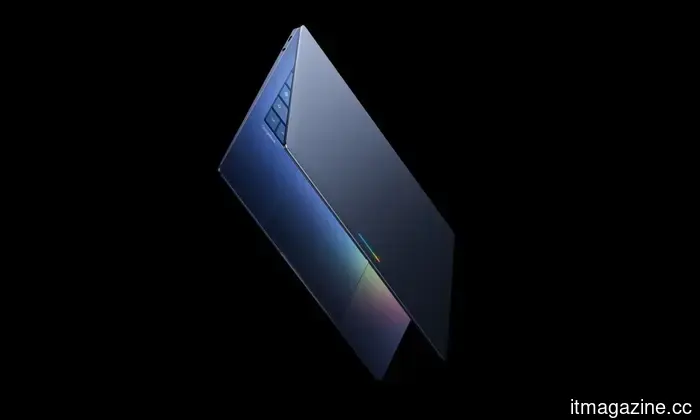
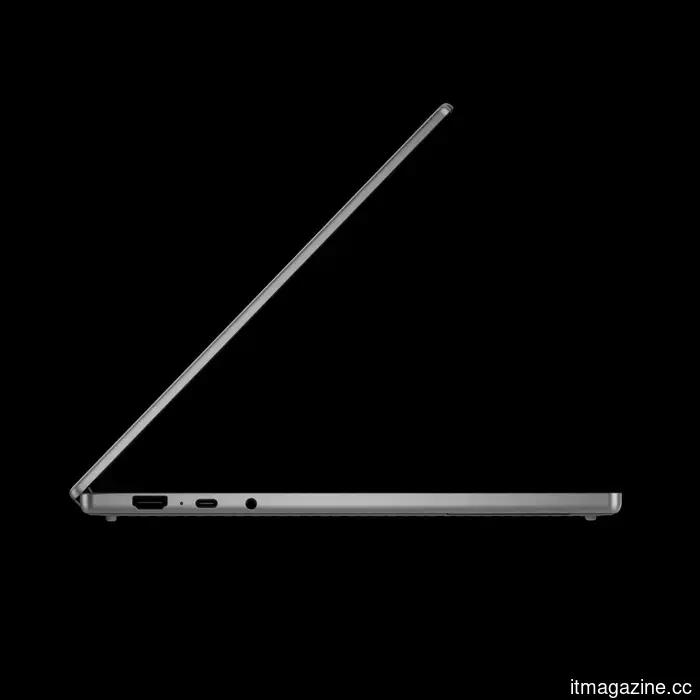
Googlebook laptops will feature various chip options in addition to Intel, which is quite reassuring.
More chips, more options. From day one, Google is providing Googlebook buyers with genuine hardware flexibility.
After Google's exciting Android Show, where numerous new features were revealed, Google VP John Maletis spoke with Chrome Unboxed about Googlebook. The interview revealed several insights, with one of the most reassuring confirmations being regarding the chips that power these new laptops.
Maletis mentioned that Google is collaborating with Intel, Qualcomm, and MediaTek, ensuring that the platform's success isn't dependent on a single silicon supplier. This is particularly good news for anyone who has kept track of the Chromebook market for some time.
Why is having a variety of chips significant?
A platform that relies solely on one chip supplier is unlikely to thrive. For instance, Apple had to transition to its own Apple Silicon chipsets when Intel couldn’t meet its requirements.
Moreover, it's about more than just sustainability. Different processors cater to different demands, whether it's raw power, battery longevity, or affordability. The involvement of Intel, Qualcomm, and MediaTek allows OEM partners such as Lenovo, Acer, Asus, HP, and Dell to create devices tailored to different user needs rather than conforming everyone to a single design.
Maletis also emphasized that Google is implementing stringent hardware standards, encompassing not just processors but also memory, storage, and keyboard configurations. Thus, the overall Googlebook experience should remain consistent and high-quality, no matter which model you choose.
What additional information do we have about the internals of these laptops?
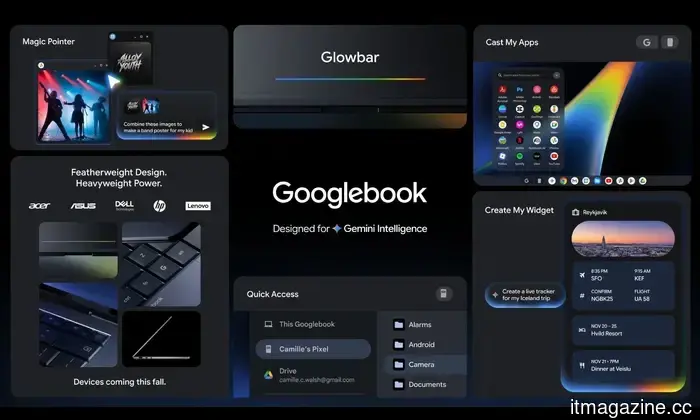
Despite not displaying any hardware, Google has confirmed a few software features that clarify what these devices will offer. The Magic Pointer, developed with Google DeepMind, integrates Gemini directly into your cursor for contextual suggestions. Furthermore, the laptops are expected to operate on Aluminium OS, which is based on the Android tech stack, allowing Android apps to function seamlessly.
Additionally, the Create your Widget feature enables users to gather information from Gmail, Google Calendar, and the web to construct a customized dashboard simply by describing their needs.
Details on pricing and specific specifications remain undisclosed, but with confirmed hardware partners and a planned launch window in fall 2026, the overall picture is beginning to form nicely.
Google will permit some Chromebooks to transition into a Googlebook experience soon.
Google has indicated that several existing models will be able to adopt the Googlebook experience, while ChromeOS support will continue for the devices that are not included.
Although Googlebook is set to launch this year, the company is not abandoning all Chromebooks. In an interview with Chrome Unboxed, Google VP John Maletis stated that certain Chromebooks would receive a firmware update to adopt Googlebook-style software. This transition signals a shift in Google's laptop strategy toward an Android-centric model, integrating Gemini more thoroughly into the user experience while allowing Android apps to run without the previous emulation layer.
The Android Show 2026: Gemini Intelligence, Googlebook, Android 17 updates, and more.
At the pre-I/O show, Google revealed Gemini Intelligence, Googlebooks, Android 17, and a revamped Android Auto, among other announcements. The event was a significant prelude, taking place a week before the annual I/O conference.
Google came well-prepared, presenting a wealth of software updates and a surprise major hardware announcement. We will discuss everything from a deeply integrated AI redesign, an essential security upgrade, an Android Auto redesign suitable for 2026, to the introduction of a brand-new laptop category.



Other articles
 Anduril secures $5 billion at a valuation of $61 billion, doubling its worth in just eleven months.
Anduril has secured $5 billion at a valuation of $61 billion in a round led by Thrive Capital and Andreessen Horowitz, effectively doubling its value in less than a year.
Anduril secures $5 billion at a valuation of $61 billion, doubling its worth in just eleven months.
Anduril has secured $5 billion at a valuation of $61 billion in a round led by Thrive Capital and Andreessen Horowitz, effectively doubling its value in less than a year.
 Anduril secures $5 billion at a valuation of $61 billion, achieving a twofold increase in eleven months.
Anduril has secured $5 billion at a valuation of $61 billion, in a financing round led by Thrive Capital and Andreessen Horowitz, effectively doubling its valuation in less than a year.
Anduril secures $5 billion at a valuation of $61 billion, achieving a twofold increase in eleven months.
Anduril has secured $5 billion at a valuation of $61 billion, in a financing round led by Thrive Capital and Andreessen Horowitz, effectively doubling its valuation in less than a year.
 Anduril secures $5 billion at a valuation of $61 billion, having doubled its worth in eleven months.
Anduril has secured $5 billion in funding at a $61 billion valuation in a round spearheaded by Thrive Capital and Andreessen Horowitz, doubling its valuation in less than a year.
Anduril secures $5 billion at a valuation of $61 billion, having doubled its worth in eleven months.
Anduril has secured $5 billion in funding at a $61 billion valuation in a round spearheaded by Thrive Capital and Andreessen Horowitz, doubling its valuation in less than a year.
 Anduril secures $5 billion at a valuation of $61 billion, achieving a twofold increase in just eleven months.
Anduril has secured $5 billion at a valuation of $61 billion in a round led by Thrive Capital and Andreessen Horowitz, effectively doubling its valuation in less than a year.
Anduril secures $5 billion at a valuation of $61 billion, achieving a twofold increase in just eleven months.
Anduril has secured $5 billion at a valuation of $61 billion in a round led by Thrive Capital and Andreessen Horowitz, effectively doubling its valuation in less than a year.
 iOS 27 will integrate Siri into the Dynamic Island, but it's the enhancements to features that really excite me.
Apple intends to revamp Siri in iOS 27, with the most discussed alteration being its new location within the Dynamic Island. While the visual update is significant, it is the enhancements to the features that will truly make a difference.
iOS 27 will integrate Siri into the Dynamic Island, but it's the enhancements to features that really excite me.
Apple intends to revamp Siri in iOS 27, with the most discussed alteration being its new location within the Dynamic Island. While the visual update is significant, it is the enhancements to the features that will truly make a difference.
 Instagram's efforts to address issues with teens have shifted from direct messages to their feeds.
Instagram’s updated supervision features will allow parents to see what subjects influence recommendations for teenagers, extending Meta’s focus on safety from private messages to the feed that encourages young users to keep scrolling.
Instagram's efforts to address issues with teens have shifted from direct messages to their feeds.
Instagram’s updated supervision features will allow parents to see what subjects influence recommendations for teenagers, extending Meta’s focus on safety from private messages to the feed that encourages young users to keep scrolling.
Googlebook laptops will feature various chip options in addition to Intel, which is quite reassuring.
Google has announced that Googlebook laptops will be compatible with chips from Intel, Qualcomm, and MediaTek. This ensures genuine hardware diversity from the outset, offering greater flexibility for consumers with varying needs and budgets.